Ustadz Rudi Jaya Ahmad, S Pd
Summary
TLDRThis heartfelt Islamic sermon emphasizes the spiritual importance of Ramadan and the obligation of fasting. It highlights fasting as a means to achieve taqwa (God-consciousness), aligning one's actions with the will of Allah and avoiding sinful behavior. The speaker encourages believers to reflect on their faith during Ramadan, strengthening their commitment to divine commands while distancing themselves from harmful actions like corruption and oppression. The sermon concludes with a prayer for health, longevity, and the forgiveness of sins, urging everyone to emerge from Ramadan with a renewed sense of piety and moral integrity.
Takeaways
- 😀 Ramadan is a month filled with honor and blessings, as it is the time for fasting and spiritual growth.
- 😀 Allah has made fasting mandatory for all believers, as stated in the Qur'an, just as it was for previous nations.
- 😀 The purpose of fasting is to attain the level of taqwa (piety and God-consciousness).
- 😀 Fasting is not only a physical act but also a spiritual education, guiding people to become more pious and obedient to Allah.
- 😀 Ramadan serves as a training period for believers to grow closer to Allah by performing His commands and avoiding His prohibitions.
- 😀 The goal of fasting is to cultivate taqwa, which helps a person avoid sinful actions and live a righteous life.
- 😀 Taqwa leads to a society where injustice, corruption, and oppression are absent, as people will be mindful of their actions.
- 😀 Believers should strive to make the most of Ramadan by performing acts of worship, seeking forgiveness, and avoiding sinful behavior.
- 😀 At the end of Ramadan, the hope is that people will emerge with a renewed sense of piety and have their sins forgiven by Allah.
- 😀 May Allah grant us long life, good health, and the ability to perform fasting well during Ramadan, achieving the ultimate goal of taqwa.
Q & A
What is the significance of Ramadan in Islam?
-Ramadan is a month filled with blessings and honor, a time for Muslims to practice fasting and self-reflection in order to attain the level of 'taqwa' (God-consciousness). It is a time of spiritual growth and obedience to Allah.
What does the Qur'an say about fasting during Ramadan?
-In the Qur'an, Allah commands the believers to fast during Ramadan, as stated in Surah Al-Baqarah (2:183): 'O you who have believed, decreed upon you is fasting as it was decreed upon those before you that you may become righteous.'
What is the ultimate goal of fasting during Ramadan?
-The ultimate goal of fasting is to achieve 'taqwa' (God-consciousness), which involves obeying Allah's commands and avoiding His prohibitions, leading to a closer relationship with Him.
What does it mean to be a person of 'taqwa'?
-A person of 'taqwa' is someone who consistently adheres to Allah's commandments, avoids sinful behavior, and strives to live a life in accordance with divine guidance.
How does fasting during Ramadan benefit a person spiritually?
-Fasting during Ramadan serves as a form of self-discipline, teaching control over one's desires, and purifying the soul by focusing on worship and refraining from sins.
What is the connection between Ramadan and moral behavior?
-Ramadan is not only a physical fast but also a spiritual training period aimed at reforming the individual's moral character, encouraging good deeds, honesty, and refraining from harmful actions.
What happens to a person after completing the fast of Ramadan?
-After completing the fast, a person is expected to have achieved a higher level of 'taqwa', meaning they will be more mindful of Allah's guidance, avoiding sins and striving for righteousness.
How does fasting affect social and ethical behavior in society?
-Fasting during Ramadan encourages people to avoid unethical behavior such as corruption, oppression, and injustice. A society with more individuals practicing fasting would likely have less corruption and social injustice.
What is the expected outcome for those who observe Ramadan properly?
-The expected outcome is that the person will be forgiven for their past sins and receive the status of 'taqwa', making them more likely to live a righteous and ethical life according to Islamic principles.
What is the prayer at the end of the sermon asking for?
-The prayer at the end asks Allah for good health and long life to continue observing the fast properly, as well as for forgiveness of sins and the attainment of 'taqwa' by the end of Ramadan.
Outlines

Этот раздел доступен только подписчикам платных тарифов. Пожалуйста, перейдите на платный тариф для доступа.
Перейти на платный тарифMindmap

Этот раздел доступен только подписчикам платных тарифов. Пожалуйста, перейдите на платный тариф для доступа.
Перейти на платный тарифKeywords

Этот раздел доступен только подписчикам платных тарифов. Пожалуйста, перейдите на платный тариф для доступа.
Перейти на платный тарифHighlights

Этот раздел доступен только подписчикам платных тарифов. Пожалуйста, перейдите на платный тариф для доступа.
Перейти на платный тарифTranscripts

Этот раздел доступен только подписчикам платных тарифов. Пожалуйста, перейдите на платный тариф для доступа.
Перейти на платный тарифПосмотреть больше похожих видео
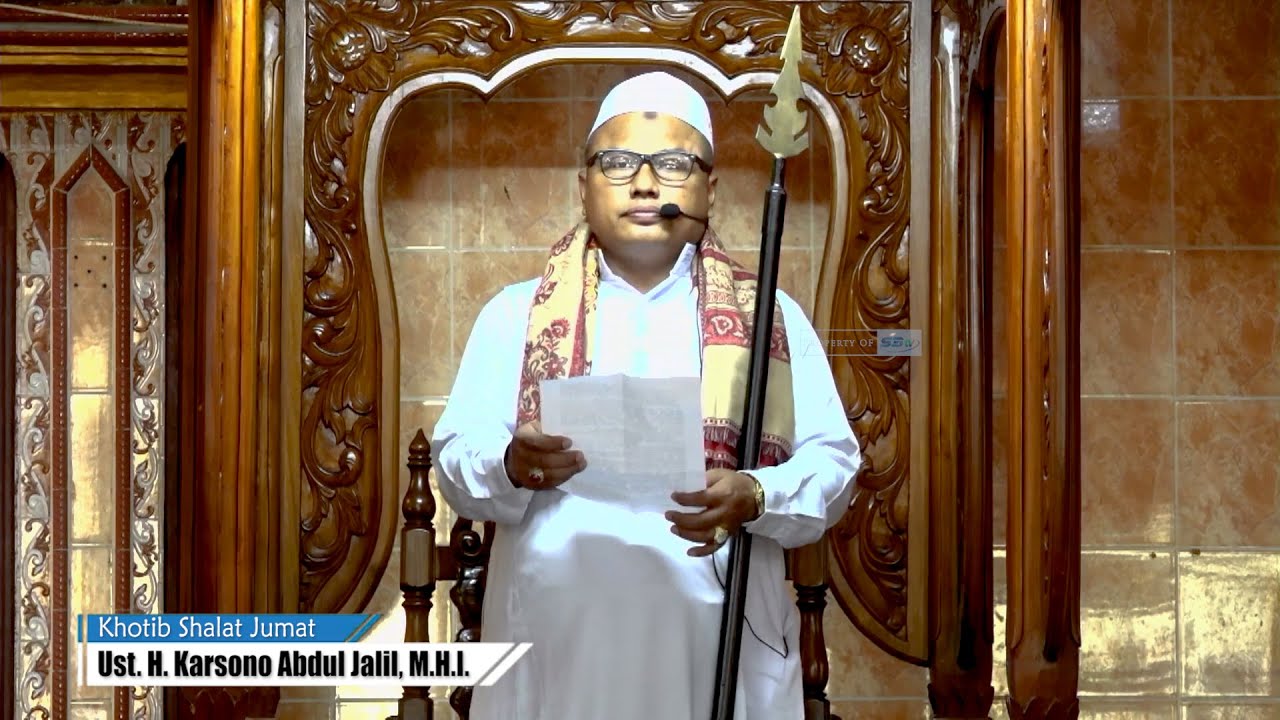
Khutbah Jumat Masjid Jamik Ibrahimy 28 Februari 2025 || S3tv

Kultum Ramadhan 1447 H/2026 | Zakat: Kewajiban yang Sering Ditunda

Kultum Ustaz Hanan Attaki: Amazing Ramadan | umma x Detikcom

Ramadhan Ke-5 | SDN Bambu Apus 04 | Salwa Azka Azqia | Keutamaan Menghidupkan Malam Ramadhan

kultum ramadhan

🔴 [LIVE] KULTUM RAMADHAN 2025 | RAMADHAN MADRASAH KEHIDUPAN | UST AFDHOLI ALI RAHMAN, MA.
5.0 / 5 (0 votes)

