"Helping Preschool Children with Autism: Teachers and Parents as Partners" Program Overview
Summary
TLDRThis video explores strategies for supporting children with language delays and autism spectrum disorders. It highlights the challenges these children face in social interactions, communication, and emotional regulation. The video introduces coaching methods, including child-directed play, pre-academic coaching, social coaching, and emotion coaching, to strengthen language, social, and emotional development. It emphasizes the importance of one-on-one and small group interactions, using visual prompts, teacher modeling, and emotional labeling to help children develop social skills, self-calming techniques, and emotional awareness. These strategies aim to improve school readiness and foster stronger emotional bonds.
Takeaways
- 😀 Children with language delays and autism have unique developmental challenges and special gifts.
- 😀 They often struggle with connecting, communicating, and paying attention to others around them.
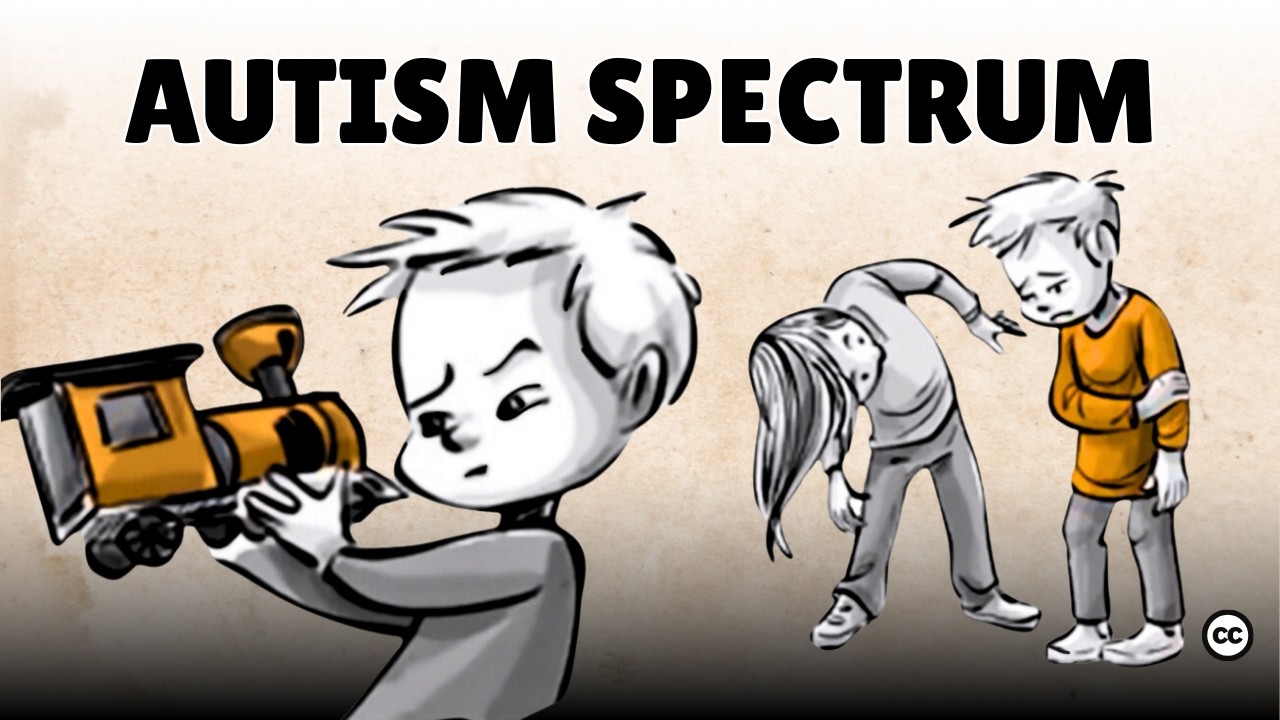
- 😀 Many children on the autism spectrum face difficulty in understanding and responding to speech or gestures, even if they repeat words.
- 😀 Unlike typical preschoolers, children on the autism spectrum may show less interest in playing with other children and often prefer solitary play.
- 😀 These children often face challenges with turn-taking, sharing, imitating, and even noticing what others are doing during play.
- 😀 Difficulty regulating emotions can lead to challenging behaviors such as tantrums or hitting when frustrated.
- 😀 Teachers and parents can work together to provide one-on-one or small group coaching for children to strengthen their language, social, and emotional skills.
- 😀 Coaching methods such as modeling, prompting, coaching, and scaffolding can help develop preschoolers' play interactions.
- 😀 Descriptive commenting (narrating children's actions and behaviors) supports language development and emotional bonding.
- 😀 Visual prompts and scaffolded exercises can encourage reciprocal interactions among children and help build social skills.
- 😀 Emotion coaching helps children recognize and understand their emotions, supporting emotional regulation and empathy for others.
Q & A
What are some common challenges children with autism and language delays face in their development?
-Children with autism and language delays often face difficulties with connecting, communicating, sharing feelings, and paying attention to others. They struggle with understanding and responding to speech or gestures, and may find it hard to play with other children, engage in turn-taking, or notice what others are doing during play.
How do children on the autism spectrum typically behave in social settings?
-Children on the autism spectrum may prefer solitary play and often focus more on objects than on interacting with people. They may have difficulty with turn-taking, sharing, and imitating gestures or actions. They often do not know how to interact with others even if they want to.
What kind of play do children on the autism spectrum tend to engage in?
-Children on the autism spectrum often engage in solitary, repetitive play. They may be engaged for long periods of time in exploring objects rather than participating in social play with others.
What are some behavioral challenges children with autism and language delays may exhibit?
-Children with autism and language delays may display challenging behaviors such as oppositionality, tantrums, or hitting when they are frustrated. These behaviors are often a result of difficulty regulating emotional responses.
What strategies can teachers and parents use to help children with language delays and autism in their development?
-Teachers and parents can work together to provide one-on-one coaching, small group coaching, and targeted interventions like modeling, prompting, and scaffolding. These approaches help strengthen language, social, and emotional development, especially during early childhood.
How can descriptive commenting support a child’s development?
-Descriptive commenting involves narrating a child's actions and behaviors, which contributes to language development. This method also helps build emotional bonds and supports children in understanding the world around them.
What is pre-academic coaching and how does it benefit children?
-Pre-academic coaching is a method where adults increase the volume of communication to describe concepts like colors, shapes, numbers, and positions while the child is playing. This type of coaching supports early learning and helps the child understand pre-academic concepts.
How can visual prompts and scaffolded exercises aid in social development for children on the autism spectrum?
-Visual prompts and scaffolded exercises help children practice reciprocal interactions with peers by providing clear, structured cues for social engagement. These strategies allow for focused practice of social skills in a controlled and supportive environment.
What is the role of emotion coaching in helping children with autism or language delays?
-Emotion coaching helps children identify and label their feelings in real-time, which can link emotions to specific actions. It is especially helpful for children with autism or language delays, as it teaches them to understand and express emotions both for themselves and others.
What methods can be used to help children develop emotional regulation skills?
-Children can develop emotional regulation skills through strategies such as using puppets, books, making silly faces, breathing exercises, and tools like the calm-down thermometer. These methods help children learn to recognize and manage their emotions effectively.
Outlines

Этот раздел доступен только подписчикам платных тарифов. Пожалуйста, перейдите на платный тариф для доступа.
Перейти на платный тарифMindmap

Этот раздел доступен только подписчикам платных тарифов. Пожалуйста, перейдите на платный тариф для доступа.
Перейти на платный тарифKeywords

Этот раздел доступен только подписчикам платных тарифов. Пожалуйста, перейдите на платный тариф для доступа.
Перейти на платный тарифHighlights

Этот раздел доступен только подписчикам платных тарифов. Пожалуйста, перейдите на платный тариф для доступа.
Перейти на платный тарифTranscripts

Этот раздел доступен только подписчикам платных тарифов. Пожалуйста, перейдите на платный тариф для доступа.
Перейти на платный тариф


5.0 / 5 (0 votes)

