Ligado em Saúde - Esteatose Hepática
Summary
TLDRIn this episode of 'Ligado em Saúde,' Dr. Carlos Eduardo Brandão Melo, a hepatologist, discusses hepatic steatosis, also known as fatty liver disease, a growing health issue. The condition often goes unnoticed in its early stages and can worsen without treatment. Dr. Brandão explains its causes, such as obesity, diabetes, and excessive alcohol consumption, and highlights the importance of lifestyle changes like diet and exercise in managing and potentially reversing the disease. The episode emphasizes the need for regular check-ups and medical supervision to prevent progression to more severe liver conditions, such as cirrhosis.
Takeaways
- 😀 Fatty liver disease (hepatic steatosis) is expected to become one of the biggest health problems in the population due to rising obesity rates and poor lifestyle habits.
- 😀 The disease often presents with no symptoms in its early stages, which makes it difficult to detect without routine medical exams.
- 😀 The liver has a crucial role in metabolizing substances like cholesterol, producing proteins for clotting, and aiding in immune function.
- 😀 Fat accumulation in the liver is normal up to 5%, but when it exceeds 10-15%, it can lead to fatty liver disease.
- 😀 The main causes of fatty liver include obesity, diabetes, and dyslipidemia (high cholesterol and triglycerides). It can also occur in individuals with a very low body weight.
- 😀 The condition can also result from excessive alcohol consumption, viral hepatitis, and certain medications like corticosteroids.
- 😀 Fatty liver disease can progress to more severe conditions like steatohepatitis (liver inflammation), fibrosis (scarring), and cirrhosis (liver failure) if left untreated.
- 😀 While fatty liver disease typically shows no early symptoms, it can be detected through imaging tests like ultrasound or blood tests showing elevated liver enzymes.
- 😀 Regular physical activity (e.g., aerobic exercises) and a healthy diet (low in sugar and refined carbs) are essential for preventing and treating fatty liver disease.
- 😀 Fatty liver disease is one of the few liver conditions that can be reversed with lifestyle changes, such as weight loss and improved physical activity.
- 😀 Medications may be used to manage related conditions like diabetes, high cholesterol, or triglycerides, but lifestyle changes remain the most effective treatment.
Q & A
What is steatosis hepática (fatty liver disease)?
-Steatosis hepática, or fatty liver disease, is a condition where excess fat accumulates in the liver cells. It often doesn't show symptoms early on but can worsen if left untreated.
What are the main functions of the liver that make it so important to our health?
-The liver plays a crucial role in metabolizing substances, producing proteins (like albumin), creating blood-clotting factors, and supporting the immune system. It also produces bilirubin, which is responsible for the yellow color in the eyes during liver disease.
When does fat in the liver become problematic?
-The liver can store up to 5% of its weight in fat without issues. However, when fat accumulation exceeds 10-15%, it can lead to fatty liver disease, which may cause liver damage over time.
What are the most common causes of fatty liver disease?
-The most common causes of fatty liver disease include obesity, diabetes, high cholesterol, excessive alcohol consumption, viral hepatitis, and the use of certain medications like corticosteroids.
Can someone with a healthy weight still have fatty liver disease?
-Yes, it's possible for someone to have fatty liver disease even if they are not overweight. Conditions like dyslipidemia (abnormal cholesterol levels) and diabetes can lead to fat accumulation in the liver despite a normal body weight.
What is the connection between fatty liver disease and metabolic syndrome?
-Metabolic syndrome refers to a combination of conditions, such as obesity, diabetes, high cholesterol, and high blood pressure, which together increase the risk of developing fatty liver disease.
How does alcohol consumption affect fatty liver disease?
-Excessive alcohol consumption can lead to alcoholic fatty liver disease. Men who consume over 40g of ethanol per day (roughly two cans of beer or two glasses of wine) and women who consume over 20g can develop this condition.
What are the risks associated with untreated fatty liver disease?
-If left untreated, fatty liver disease can progress to steatohepatitis (liver inflammation), fibrosis (scarring), and eventually cirrhosis, which significantly impairs liver function and can lead to liver failure.
How can fatty liver disease be diagnosed?
-Fatty liver disease can be diagnosed through imaging tests like ultrasound, CT scans, or MRI, and by checking liver enzymes through blood tests. Elevated liver enzymes often indicate liver damage due to fat accumulation.
What lifestyle changes are recommended for managing fatty liver disease?
-Lifestyle changes include adopting a healthier diet, reducing caloric intake, increasing physical activity (preferably aerobic exercises like walking, swimming, or cycling), and losing weight. In some cases, medications may be prescribed to control cholesterol or diabetes.
Outlines

Этот раздел доступен только подписчикам платных тарифов. Пожалуйста, перейдите на платный тариф для доступа.
Перейти на платный тарифMindmap

Этот раздел доступен только подписчикам платных тарифов. Пожалуйста, перейдите на платный тариф для доступа.
Перейти на платный тарифKeywords

Этот раздел доступен только подписчикам платных тарифов. Пожалуйста, перейдите на платный тариф для доступа.
Перейти на платный тарифHighlights

Этот раздел доступен только подписчикам платных тарифов. Пожалуйста, перейдите на платный тариф для доступа.
Перейти на платный тарифTranscripts

Этот раздел доступен только подписчикам платных тарифов. Пожалуйста, перейдите на платный тариф для доступа.
Перейти на платный тарифПосмотреть больше похожих видео

O Ciclo Menstrual

O que é CONSELHO DE SAÚDE - CONASS CONASEMS COSEMS - SUS - Com questões

PROPONENTS OF ELECTROMAGNETIC THEORY TAGALOG | GRADE 10 SCIENCE QUARTER 2 MODULE 1 LESSON 2
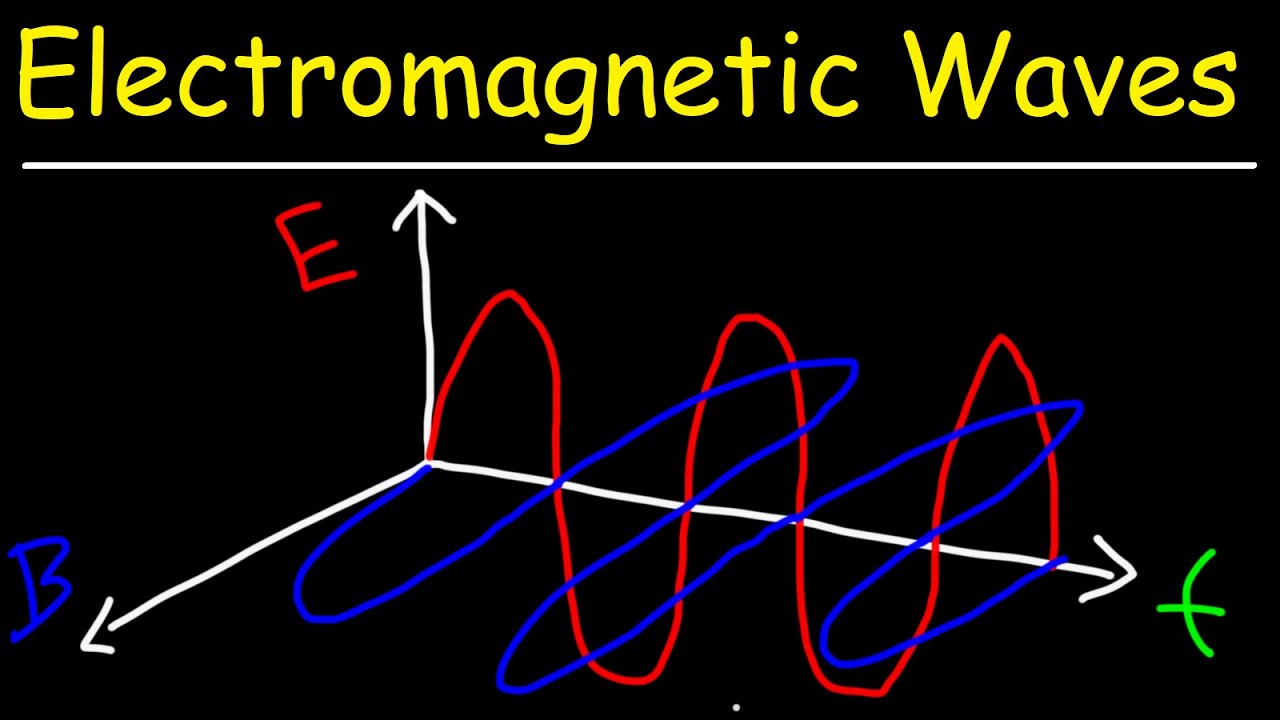
Electromagnetic Waves

THE NATURE OF ELECTROMAGNETIC WAVES TAGALOG | GRADE 10 SCIENCE QUARTER 2 MODULE 1 LESSON 1

🦿 Langkah 021: Tanda Pisah | Fundamental Bahasa Indonesia Alternatifa
5.0 / 5 (0 votes)

