Teori Masuknya Hindu Buddha ke Indonesia | Brahmana, Ksatria, Waisya, Sudra, Arus Balik | Part 3
Summary
TLDRThis educational video, led by Kak Andi, explores the development and spread of Hinduism and Buddhism in Indonesia. It delves into five key theories explaining the introduction of these religions, including the Brahmana, Kesatria, Waisya, Sudra, and Arus Balik theories. The video also examines historical evidence such as the Yupa inscriptions, Borobudur Temple, and the Amaravati Buddha statue, illustrating the cultural exchange between India and Indonesia. The session wraps up by inviting viewers to explore further learning on the topic in future videos.
Takeaways
- 😀 Hinduism and Buddhism spread to Indonesia through multiple theories proposed by scholars.
- 😀 The Theory of Brahmana suggests that Brahmin priests played a key role, based on the use of Sanskrit and Palava script in inscriptions like the Yupa from Kutai.
- 😀 A weakness of the Theory of Brahmana is that Brahmins had a taboo against crossing seas, questioning their ability to spread the religions to Indonesia.
- 😀 The Theory of Kesatria argues that Indian nobles and kings (Kesatria caste) brought Hinduism and Buddhism to Indonesia, using the concept of kingship to establish new kingdoms.
- 😀 A weakness of the Theory of Kesatria is the lack of evidence of Indian rulers conquering Indonesian territories.
- 😀 The Theory of Waisya, proposed by NJ Rom, attributes the spread of Hinduism and Buddhism to Indian merchants who traveled along trade routes to Indonesia.
- 😀 A weakness of the Theory of Waisya is that trade was concentrated on the coast, while the Hindu-Buddhist kingdoms appeared inland, making it hard to link trade with religious spread.
- 😀 The Theory of Sudra, proposed by Van Faber, suggests that the lower caste (Sudra) played a role in the spread of the religions, but this is heavily criticized due to their limited understanding of Hinduism.
- 😀 The Theory of Arus Balik (Return Current) posits that Indonesians themselves traveled to India, learned about Hinduism and Buddhism, and brought these teachings back to Indonesia.
- 😀 Evidence of Hinduism and Buddhism in Indonesia includes the discovery of the Arca Buddha statue in South Sulawesi (2nd century AD), the Yupa inscriptions from the 4th century, and the Candi Borobudur temple.
- 😀 Candi Borobudur illustrates the fusion of Hindu-Buddhist beliefs with pre-existing Megalithic traditions in Indonesia, showcasing cultural and religious syncretism.
Q & A
What are the five theories explaining the spread of Hindu and Buddhist religions in Indonesia?
-The five theories are: the Brahmana Theory, the Kesatria Theory, the Waisya Theory, the Sudra Theory, and the Arus Balik Theory.
What is the Brahmana Theory and what evidence supports it?
-The Brahmana Theory suggests that the Brahmana class, or Hindu priests, played a key role in spreading Hinduism and Buddhism in Indonesia. The evidence supporting this theory includes the discovery of Yupa inscriptions written in Sanskrit and Pallava script, found in Kutai, East Kalimantan, which was used by Brahmanas in India.
What is the primary weakness of the Brahmana Theory?
-The main weakness of the Brahmana Theory is that Brahmanas in India were forbidden from crossing the sea, making it difficult to explain how they could have traveled to Indonesia. The geographical distance between India and Indonesia further challenges this theory.
What does the Kesatria Theory propose regarding the spread of Hinduism and Buddhism in Indonesia?
-The Kesatria Theory argues that the spread of Hinduism and Buddhism was carried out by the Kshatriya class, or warriors and kings. According to this theory, Indian royalty and nobility fled to Indonesia after losing wars in India, where they established kingdoms.
What is the weakness of the Kesatria Theory?
-The weakness of the Kesatria Theory lies in the lack of evidence for the conquest of Indonesia by Indian kings. No significant evidence of military conquests or invasions has been found to support the theory.
What is the Waisya Theory and what evidence supports it?
-The Waisya Theory posits that traders from India, part of the Vaishya class, were responsible for the spread of Hinduism and Buddhism in Indonesia. The evidence for this theory includes the long-established trade routes between India and Indonesia, which brought Indian merchants to the region.
What is the main weakness of the Waisya Theory?
-The Waisya Theory's main weakness is that trade activities were mostly conducted along the coast, while Hindu-Buddhist kingdoms in Indonesia, like Kutai, Tarumanegara, and Mataram Kuno, were located inland. This geographic discrepancy challenges the theory.
What does the Sudra Theory propose about the role of the Sudra class in the spread of Hinduism and Buddhism?
-The Sudra Theory, proposed by Van Faber, suggests that the Sudra class, or lower-caste people in India, played a role in spreading Hinduism and Buddhism in Indonesia. However, this theory is widely criticized because the Sudra class was not highly educated and was unlikely to have had the knowledge needed to spread religious teachings.
Why is the Sudra Theory considered weak by many scholars?
-The Sudra Theory is considered weak because the Sudra class in India was viewed as uneducated and subordinate, making it unlikely that they would have been responsible for spreading the sophisticated teachings of Hinduism and Buddhism in Indonesia.
What does the Arus Balik Theory suggest about the role of native Indonesians in the spread of Hinduism and Buddhism?
-The Arus Balik Theory, proposed by Kudes, argues that the spread of Hinduism and Buddhism in Indonesia was primarily driven by native Indonesians. According to this theory, Indonesians traveled to India to learn about Hinduism and Buddhism, then returned to Indonesia to spread these religions.
What are some key archaeological findings that support the spread of Hinduism and Buddhism in Indonesia?
-Key archaeological findings include the Amarawati Buddha statue from South Sulawesi, the Yupa inscriptions in Kutai written in Sanskrit and Pallava script, and the Borobudur Temple. These artifacts demonstrate the presence of Hindu and Buddhist influence in Indonesia from as early as the 2nd century CE.
How does the Borobudur Temple reflect the cultural influence of Hinduism and Buddhism in Indonesia?
-The Borobudur Temple reflects cultural fusion, showing a blend of Hindu-Buddhist religious elements with pre-existing Megalithic traditions in Indonesia. The temple's tiered design resembles the 'punden berundak,' a type of structure used for ritual purposes during the Megalithic era.
Outlines

Этот раздел доступен только подписчикам платных тарифов. Пожалуйста, перейдите на платный тариф для доступа.
Перейти на платный тарифMindmap

Этот раздел доступен только подписчикам платных тарифов. Пожалуйста, перейдите на платный тариф для доступа.
Перейти на платный тарифKeywords

Этот раздел доступен только подписчикам платных тарифов. Пожалуйста, перейдите на платный тариф для доступа.
Перейти на платный тарифHighlights

Этот раздел доступен только подписчикам платных тарифов. Пожалуйста, перейдите на платный тариф для доступа.
Перейти на платный тарифTranscripts

Этот раздел доступен только подписчикам платных тарифов. Пожалуйста, перейдите на платный тариф для доступа.
Перейти на платный тарифПосмотреть больше похожих видео

Hindu - Budha Ke Nusantara ( Lahirnya.Berkembang.Teori Masuknya. Ke Nusantara )

Masa klasik 1 teori masuknya hindu dan budha
Kerajaan Samudera Pasai, Aceh, dan Demak: Perkembangan dan Penyebaran Islam di Indonesia | Part 4
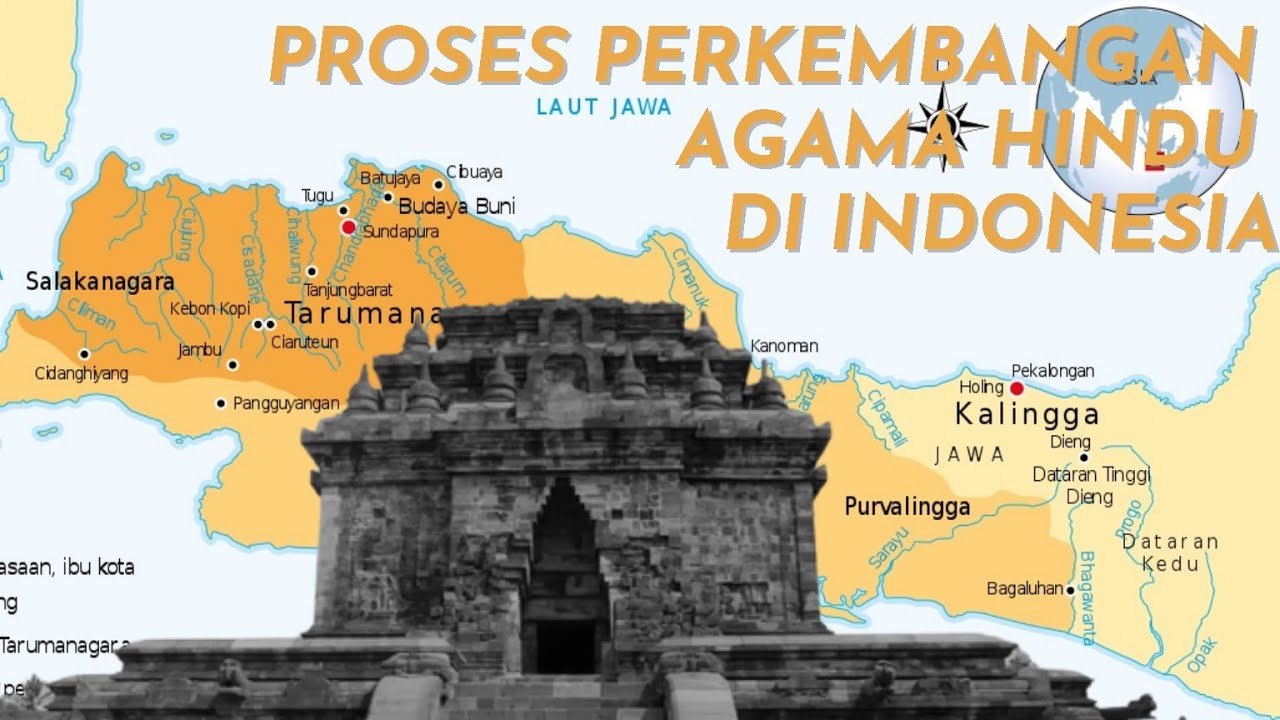
SEJARAH PERKEMBANGAN AGAMA HINDU DI INDONESIA

Teori Masuknya Hindu dan Buddha di Indonesia 🇮🇩

Lahirnya Agama Hindu di India
5.0 / 5 (0 votes)

