١٢ كانون الثاني ٢٠٢٥
Summary
TLDRThis lecture on developmental psychology covers two primary topics: research methods and sources of information. It first discusses experimental and descriptive research methods, emphasizing the importance of observation, longitudinal studies, and cross-sectional methods for understanding human growth. The second part highlights sources of data, including personal interviews, case studies, adolescent diaries, and children's drawings. These methods and sources provide rich insights into psychological growth and the factors influencing development across different life stages.
Takeaways
- 😀 Research methodologies in developmental psychology are essential for building a solid foundation of knowledge in the field.
- 😀 Experimental methods are considered the most accurate due to their objectivity and control over variables.
- 😀 The experimental method includes three key variables: independent, dependent, and extraneous variables.
- 😀 The independent variable is manipulated to observe its effect on the dependent variable.
- 😀 The descriptive method aims to gather detailed descriptions of behaviors and study the relationships between different phenomena.
- 😀 Observation is a crucial tool in the descriptive method, requiring systematic and accurate recording of behavioral data.
- 😀 The longitudinal method tracks an individual or group over an extended period to observe changes in behavior or development.
- 😀 The cross-sectional method studies different age groups simultaneously, saving time and resources compared to the longitudinal approach.
- 😀 Interviews are an important tool for gathering information and can be either structured or unstructured, depending on the study's goals.
- 😀 Case studies provide in-depth analysis of individual growth and development and are particularly valuable in psychological treatment and research.
- 😀 Diaries or journals, especially those of adolescents, serve as valuable sources of information regarding their experiences and emotional states.
Q & A
What are the two main topics discussed in the transcript?
-The two main topics discussed are the research methods in developmental psychology and the sources and means of obtaining information for such research.
Why are research methods important in developmental psychology?
-Research methods are crucial as they provide a scientific foundation for studying human development, ensuring accurate and objective results, which help in establishing solid theories and laws in the field.
How have research methods in developmental psychology evolved over time?
-In the past, research methods were limited to observation and description of developmental stages, while today, methods have become more precise and scientific, aiming to discover established facts, laws, and theories.
What are the key features of the experimental method in developmental psychology?
-The experimental method is considered the most accurate, as it is objective and allows researchers to control various factors affecting behavior. It involves independent variables, dependent variables, and control variables to test cause-effect relationships.
What are the three essential variables in an experimental research design?
-The three essential variables are: the independent variable (the factor manipulated), the dependent variable (the factor being measured), and the extraneous or confounding variable (which is controlled or excluded).
What is the descriptive method in developmental psychology?
-The descriptive method aims to gather precise, scientific descriptions of phenomena in their current state and study relationships between different behaviors. It includes various observation techniques such as structured and spontaneous observation.
What are the advantages of using observational methods in research?
-Observational methods allow researchers to gather rich, real-time data on behavior in natural settings. They are particularly useful when studying specific behaviors that require specialized tools for measurement.
What is the difference between longitudinal and cross-sectional research methods?
-The longitudinal method tracks the same individuals or groups over an extended period to observe changes over time, whereas the cross-sectional method compares different individuals or groups at a single point in time, saving time and resources.
What are some of the key sources of information for research in developmental psychology?
-Key sources include personal interviews, case studies, diaries and memoirs (especially from adolescents), and children's drawings, all of which provide valuable insights into emotional, cognitive, and social development.
How does the case study method contribute to the understanding of developmental psychology?
-The case study method offers an in-depth analysis of an individual's life history, particularly useful for understanding the unique developmental trajectory of individuals, especially in the context of psychological treatment or rare conditions.
Outlines

Этот раздел доступен только подписчикам платных тарифов. Пожалуйста, перейдите на платный тариф для доступа.
Перейти на платный тарифMindmap

Этот раздел доступен только подписчикам платных тарифов. Пожалуйста, перейдите на платный тариф для доступа.
Перейти на платный тарифKeywords

Этот раздел доступен только подписчикам платных тарифов. Пожалуйста, перейдите на платный тариф для доступа.
Перейти на платный тарифHighlights

Этот раздел доступен только подписчикам платных тарифов. Пожалуйста, перейдите на платный тариф для доступа.
Перейти на платный тарифTranscripts

Этот раздел доступен только подписчикам платных тарифов. Пожалуйста, перейдите на платный тариф для доступа.
Перейти на платный тарифПосмотреть больше похожих видео

The right way to research History

CHAPTER 4 Informasi Pemasaran untuk Wawasan Konsumen
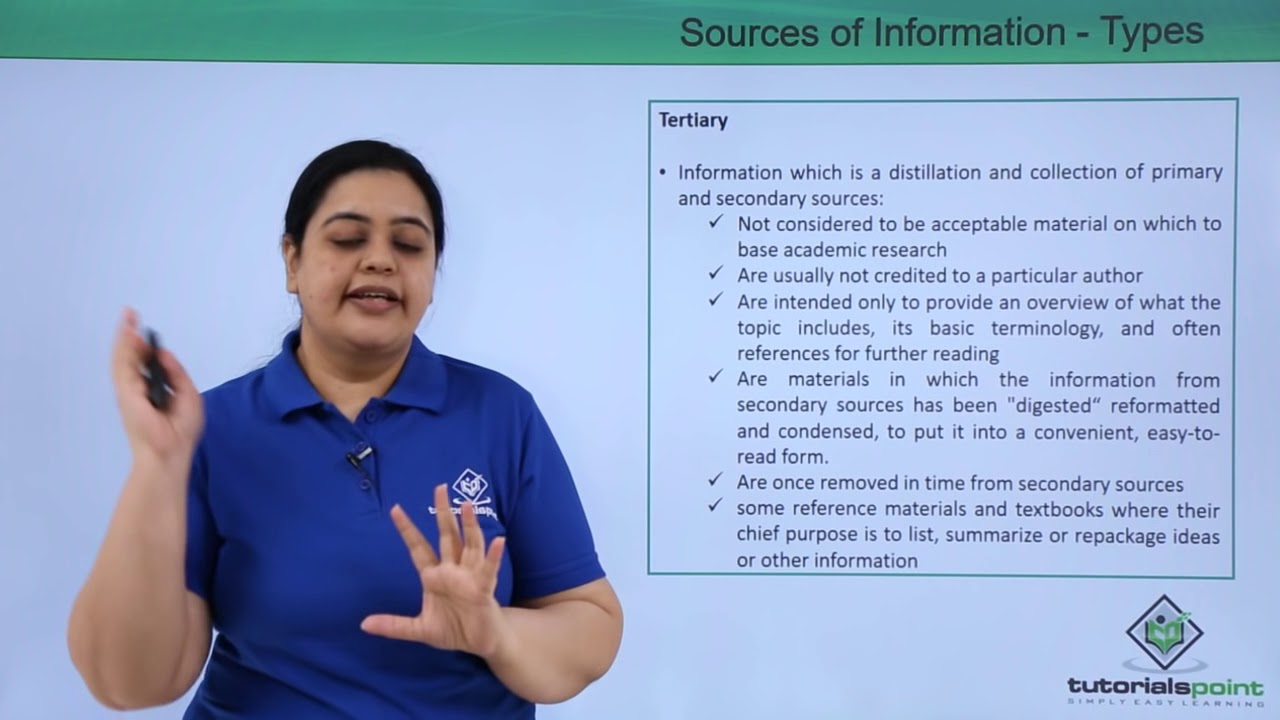
Class 11th – Sources of Information Types | Entrepreneurship | Tutorials Point

KULIAH ONLINE PSIKOLOGI: KONSEP PSIKOLOGI

Developmental Psychology - Human Development - CH1

Materi Sejarah - Penelitian Sejarah - Kurikulum Merdeka Kelas X SMA
5.0 / 5 (0 votes)

