HUTAN PRODUKSI
Summary
TLDRThe video explains the concept of production forests, a type of forest area primarily utilized for producing forest resources such as timber and non-timber products. These forests are typically extensive and managed by local governments, state-owned forestry companies, or private enterprises under strict supervision. The script outlines key characteristics, including homogeneous plant species, limited designated areas, and regulated production. It also highlights the benefits of production forests, such as supporting development, serving as buffer and tourism areas, and protecting biodiversity and the environment. Based on Indonesian Government Regulation No. 104 of 2015, production forests are classified into limited production forests, permanent production forests, and convertible production forests, each with distinct management and utilization purposes.
Takeaways
- 😀 Hutan produksi refers to forests used for the production of timber and non-timber forest products.
- 😀 These forests are managed by local governments and private companies.
- 😀 The key characteristics of hutan produksi include being used for resource production, having homogeneous vegetation, and being managed under strict oversight.
- 😀 The area of hutan produksi is limited, and its management involves careful regulation and monitoring.
- 😀 Hutan produksi serves multiple purposes, including land development, environmental conservation, and biodiversity protection.
- 😀 According to Indonesian regulations, hutan produksi is divided into three types: limited production forest, permanent production forest, and convertible production forest.
- 😀 Limited production forests can only be exploited through selective logging, focusing on low-intensity timber harvesting.
- 😀 Permanent production forests can be managed using selective cutting or clear-cutting methods.
- 😀 Convertible production forests are designated areas that can be used for other purposes, such as settlement development, agriculture, and plantations.
- 😀 Hutan produksi plays an important role in maintaining ecological balance and supporting economic activities.
- 😀 The management and exploitation of hutan produksi are governed by laws to ensure sustainability and minimize environmental damage.
Q & A
What is a production forest?
-A production forest is a type of forest that is primarily utilized for the production of forest products, such as timber and non-timber goods. It is managed by regional governments or private companies.
What are the main characteristics of a production forest?
-The main characteristics of a production forest include its use for fulfilling various needs, the presence of homogeneous plant species, limited forest area, management by regional governments, Perum Perhutani, or private companies, and strict production monitoring.
What are the benefits of production forests?
-The benefits of production forests include being used for land development, as conservation areas, for natural tourism purposes, and for protecting biodiversity and the environment.
How are production forests categorized according to government regulations?
-According to government regulation number 104 of 2015, production forests are divided into three types: limited production forests, permanent production forests, and convertible production forests.
What is a limited production forest?
-A limited production forest is a type of forest where timber can only be harvested through selective cutting. These forests typically have low intensity timber production and are usually located in mountainous areas with steep slopes.
What is a permanent production forest?
-A permanent production forest is a forest that can be exploited through either selective cutting or clear-cutting methods, allowing for continuous timber production.
What is a convertible production forest?
-A convertible production forest is a forest area that can be converted for other purposes, such as for settlement development, transmigration, agriculture, or plantation purposes.
What is selective cutting in the context of production forests?
-Selective cutting is a method of logging where only specific trees are harvested, allowing the forest to regenerate naturally. This method is typically used in limited production forests to ensure sustainable timber production.
What is the role of government and private companies in managing production forests?
-Government agencies, regional governments, and private companies are responsible for managing production forests. This includes regulating logging practices, ensuring sustainability, and overseeing the allocation of forest areas for various uses.
How does a production forest contribute to environmental protection?
-Production forests help protect the environment by maintaining biodiversity, preventing soil erosion, and providing habitat for wildlife. They also contribute to environmental sustainability by managing forest resources responsibly.
Outlines

Этот раздел доступен только подписчикам платных тарифов. Пожалуйста, перейдите на платный тариф для доступа.
Перейти на платный тарифMindmap

Этот раздел доступен только подписчикам платных тарифов. Пожалуйста, перейдите на платный тариф для доступа.
Перейти на платный тарифKeywords

Этот раздел доступен только подписчикам платных тарифов. Пожалуйста, перейдите на платный тариф для доступа.
Перейти на платный тарифHighlights

Этот раздел доступен только подписчикам платных тарифов. Пожалуйста, перейдите на платный тариф для доступа.
Перейти на платный тарифTranscripts

Этот раздел доступен только подписчикам платных тарифов. Пожалуйста, перейдите на платный тариф для доступа.
Перейти на платный тарифПосмотреть больше похожих видео
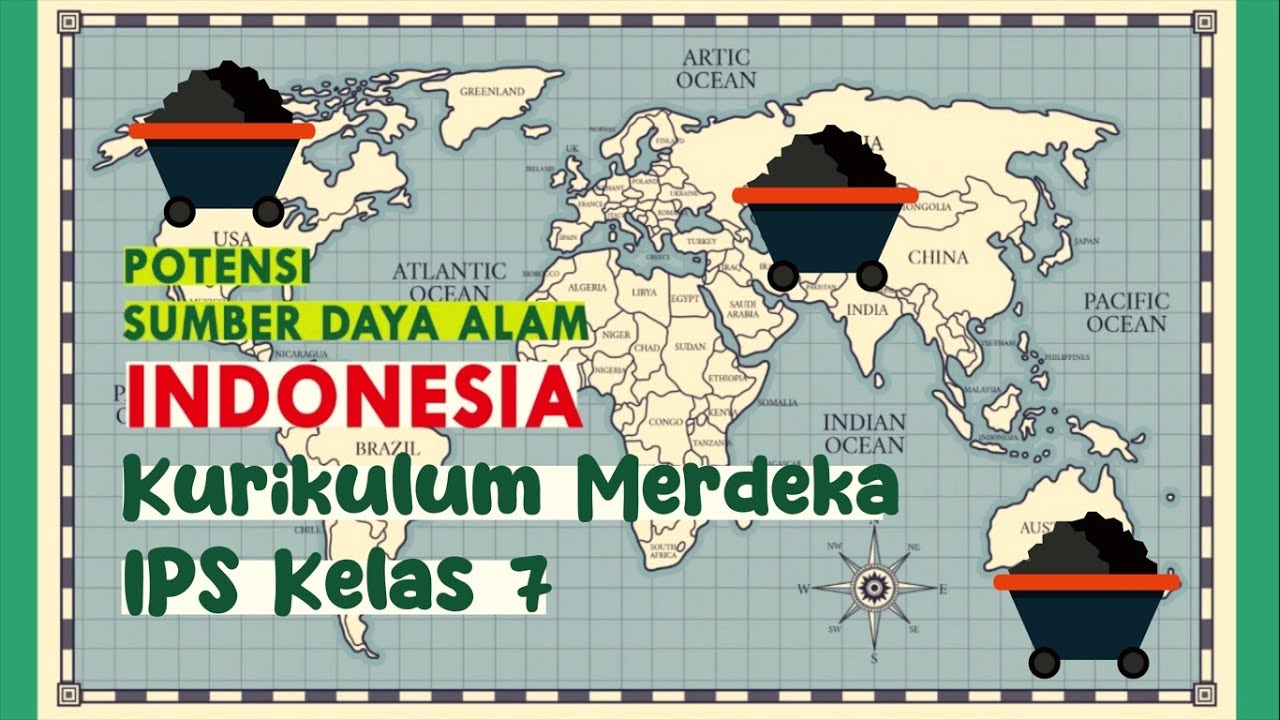
Potensi Sumber Daya Alam di Indonesia || Media Pembelajaran IPS Kelas 7 || Kurikulum Merdeka

Perizinan Berusaha Pemanfaatan Hutan (PBPH)

NON TIMBER FOREST PRODUCTS NTFPS - Khoryfatul Munawaroh, S.Hut., M.Si

FOREST BEYOND TIMBER by Malaysian Timber Council
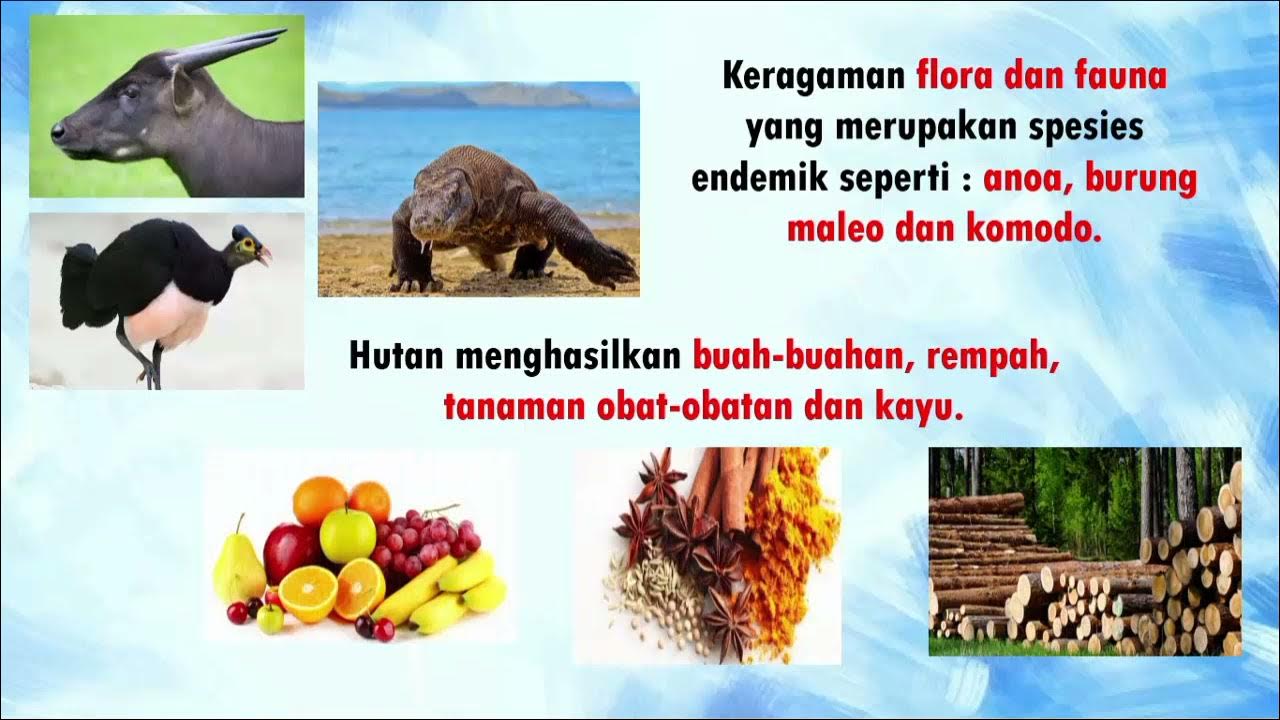
Potensi Sumber Daya Hutan di Indonesia
Peningkatan Produktivitas Hutan dengan Teknik Silvikutur Intensif (SILIN)
5.0 / 5 (0 votes)

