Control Valves Types,Operation and Troubleshooting
Summary
TLDRThis video explains the role of actuators in controlling valve positions within process systems. It covers the types of actuators—pneumatic, hydraulic, and electric—and their use in valve control, particularly in systems requiring frequent adjustments. Pneumatic actuators, including diaphragm and piston types, are explored in depth, highlighting their function and variations. The video also discusses control valves, positioners, and the potential mechanical issues with actuators. It emphasizes the importance of accurate actuator control for efficient process flow and outlines troubleshooting steps for actuator problems to minimize process disruptions.
Takeaways
- 😀 Actuators are mechanisms that move or control devices like valves to improve efficiency by reducing manual operation.
- 😀 There are three basic types of actuators: pneumatic, hydraulic, and electric, each using different energy sources (air, liquid, electricity).
- 😀 Pneumatic actuators use air pressure to move a valve, while hydraulic actuators use pressurized liquid for more power.
- 😀 Electric actuators are often motor-driven or solenoid-based, and can be controlled remotely from a central location.
- 😀 Control valves work by regulating the flow of fluids based on signals from controllers, and can be linear or rotary (e.g., globe or butterfly valves).
- 😀 Pneumatic actuators can be single-acting (air to close or air to open) or double-acting (with air pressure on both sides of the diaphragm).
- 😀 Single-acting diaphragm actuators can fail open or closed based on the type of pressure applied and whether air pressure is lost.
- 😀 Piston actuators, which may be single-acting or double-acting, provide force to position a valve and are suitable for situations requiring long stem travel.
- 😀 Vane actuators are compact and used for rotary valves, where air pressure moves a vane to rotate the valve disk.
- 😀 Positioners are used to regulate the position of actuators, ensuring the valve responds accurately to controller signals, especially under variable conditions.
Q & A
What is the primary purpose of valves in process systems?
-Valves are used to control the flow of fluids in process systems to meet the specific needs of the process.
Why is manual valve operation not always practical in certain situations?
-Manual valve operation is not practical when valves need to be opened, closed, or throttled frequently, as it requires operators to go to each valve and adjust it by hand.
What is an actuator, and how does it help in valve positioning?
-An actuator is a mechanism that moves or controls a device such as a valve. It allows valves to be repositioned remotely from a control room, reducing the need for manual adjustments.
What are the three basic types of actuators mentioned in the script?
-The three basic types of actuators are pneumatic actuators, hydraulic actuators, and electric actuators.
How do pneumatic actuators work to position a valve?
-Pneumatic actuators use air pressure to produce motion, positioning a valve by either pushing or pulling the actuator stem depending on the direction of the applied air pressure.
What is the difference between single-acting and double-acting diaphragm actuators?
-A single-acting diaphragm actuator uses air pressure on only one side of the diaphragm, while a double-acting diaphragm actuator uses air pressure on both sides, allowing for more precise control of the valve position.
What is the function of a positioner in a control valve system?
-A positioner ensures that the actuator correctly positions the valve according to the air signal received from the controller, adjusting the air pressure supplied to the actuator as necessary.
What does the symbol of a single-acting diaphragm actuator represent in piping diagrams?
-In piping diagrams, a single-acting diaphragm actuator is typically represented by a specific symbol that indicates its single air supply and failure mode (either air-to-close or air-to-open).
What is the advantage of using hydraulic actuators over pneumatic ones?
-Hydraulic actuators are more powerful than pneumatic actuators of the same size because they use pressurized liquid (hydraulic fluid) instead of air, making them suitable for applications requiring greater force.
What are some common signs of actuator failure in a control valve system?
-Signs of actuator failure may include discrepancies between the valve position indicator and the controller's expected position, or failure of the valve to open or close correctly, often due to issues like air pressure loss or mechanical damage.
Outlines

Этот раздел доступен только подписчикам платных тарифов. Пожалуйста, перейдите на платный тариф для доступа.
Перейти на платный тарифMindmap

Этот раздел доступен только подписчикам платных тарифов. Пожалуйста, перейдите на платный тариф для доступа.
Перейти на платный тарифKeywords

Этот раздел доступен только подписчикам платных тарифов. Пожалуйста, перейдите на платный тариф для доступа.
Перейти на платный тарифHighlights

Этот раздел доступен только подписчикам платных тарифов. Пожалуйста, перейдите на платный тариф для доступа.
Перейти на платный тарифTranscripts

Этот раздел доступен только подписчикам платных тарифов. Пожалуйста, перейдите на платный тариф для доступа.
Перейти на платный тарифПосмотреть больше похожих видео
Flow Control - Hydraulics - Airframes & Aircraft Systems #11
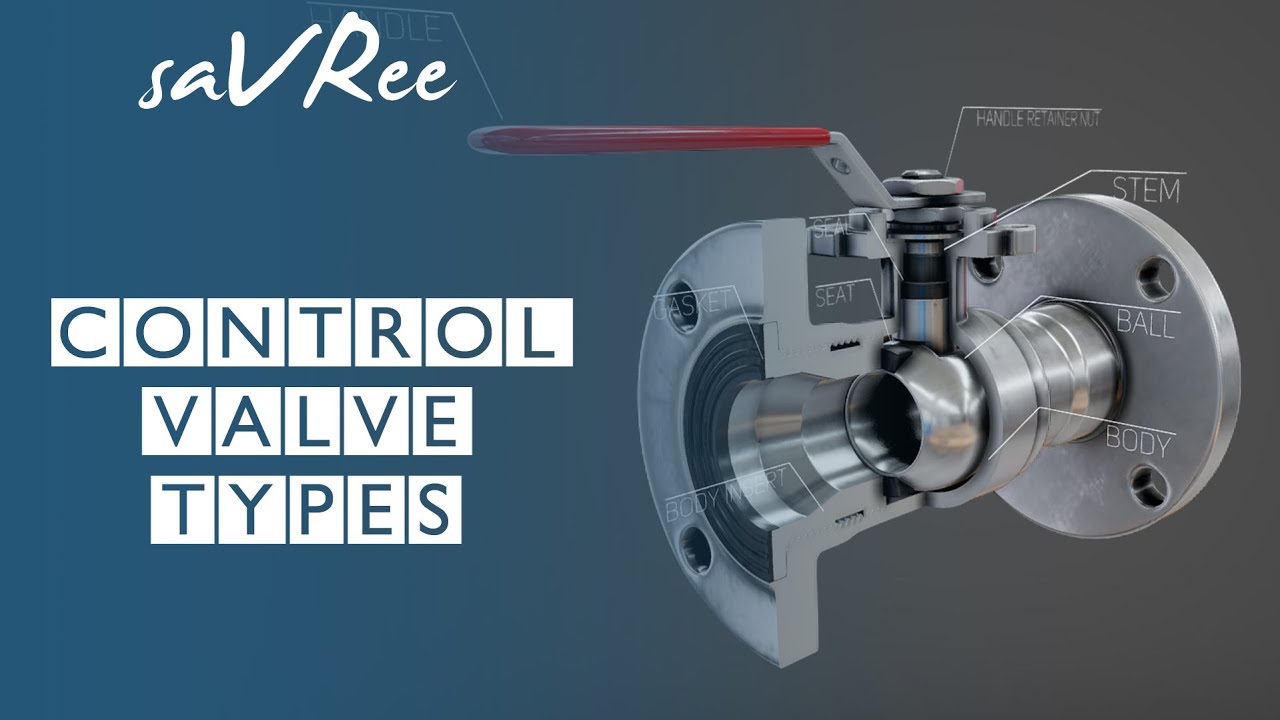
Control Valve Types (Gate Valve, Globe Valve, Ball Valve etc.)!

EMS Part 3, Macam macam Aktuator Engine Management system #ems #enginemanagementsystem
How Do Control Valve Actuators Work?

Flow-Tech: Industrial Control Valve Basics

Cara kerja sistem power steering mobil
5.0 / 5 (0 votes)

