Working with the Freeze Response with Peter Levine, PhD
Summary
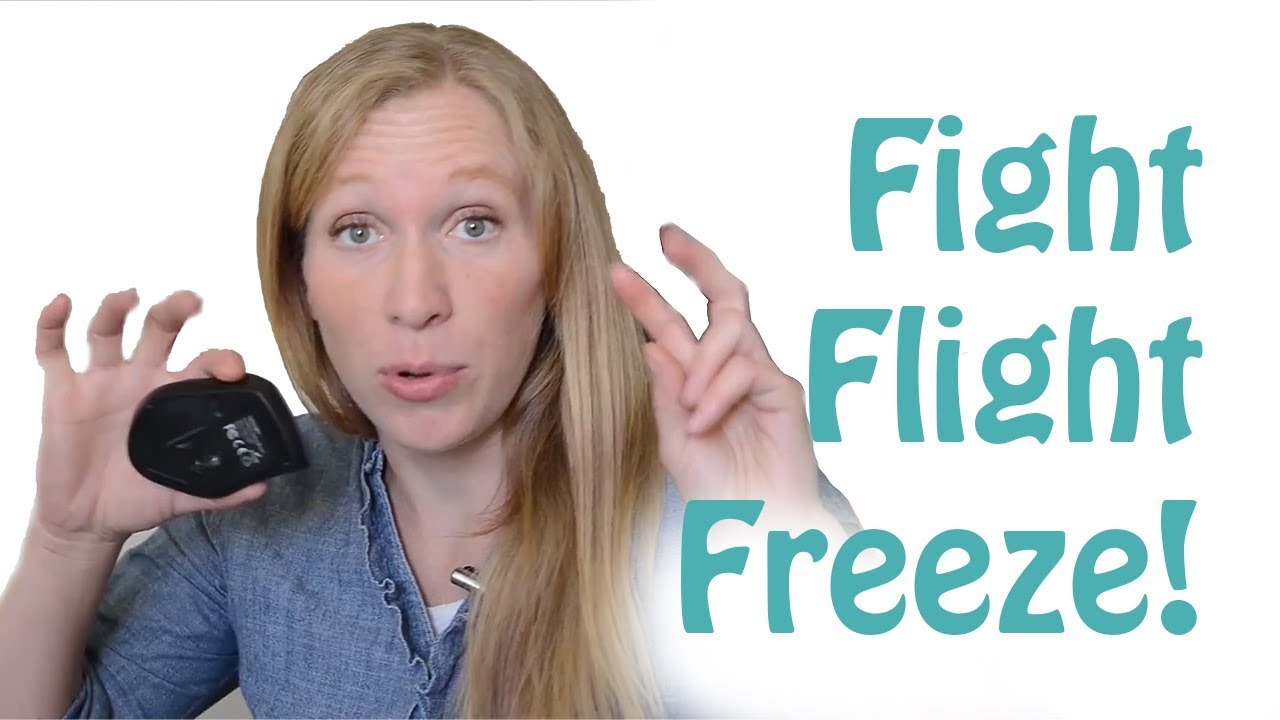
TLDRThis transcript explores the fight-or-flight response, explaining how the body reacts to perceived danger by preparing to fight or flee. The muscles are activated in a coordinated way to facilitate movement, but when escape isn’t possible, the body enters a freeze state, where muscles lock up, limiting coordination and response. This 'freeze response' can create a sense of heightened alertness or helplessness. Therapeutically, unlocking the energy trapped in the frozen muscles requires gentle, gradual movements, known as 'titration,' helping individuals move from rigidity to fluid movement, overcoming the freeze and restoring mobility.
Takeaways
- 😀 The fight-or-flight response prepares the body for danger by activating muscles for action.
- 😀 This response involves involuntary activation of the nervous system, preparing muscles for movement (fight or flee).
- 😀 When we cannot escape danger, the body may enter the freeze response, where muscles lock up and become immobile.
- 😀 The freeze response involves muscles (flexors and extensors) contracting against each other, leading to stiffness.
- 😀 During the freeze response, the body's coordination and ability to react is limited, which can create lasting effects.
- 😀 In a frozen state, the body is stiff and perceived threats are amplified, making everything feel dangerous.
- 😀 The energy from the fight-or-flight response is often trapped in frozen muscles, limiting movement and reaction.
- 😀 Therapeutically, releasing the trapped energy in the frozen muscles is key to overcoming the freeze response.
- 😀 A technique called 'titration' is used to help people release this energy in small, manageable amounts to avoid overwhelm.
- 😀 By gradually accessing and releasing the locked energy, the person moves from a state of rigidity to free movement.
- 😀 The goal of therapeutic work is to help the person regain control over their reactions and prevent lasting trauma effects.
Q & A
What is the fight-or-flight response?
-The fight-or-flight response is a physiological reaction that occurs when we perceive danger. It prepares the body either to fight or flee by activating the muscles and the nervous system, causing heightened alertness and physical readiness.
What role do muscles play in the fight-or-flight response?
-In the fight-or-flight response, muscles are activated to prepare for action. Extensor and flexor muscles work together in a coordinated way to enable the body to either run or fight. If we are unable to escape, these muscles may lock in place, leading to the freeze response.
How does the freeze response differ from the fight-or-flight response?
-While the fight-or-flight response mobilizes muscles for action, the freeze response occurs when escape is not possible. In the freeze response, the muscles, particularly extensor and flexor muscles, contract against each other, causing stiffness and limiting movement.
What happens when the muscles lock during the freeze response?
-When the muscles lock, the body becomes stiff because the extensor and flexor muscles are working against each other. This immobilization can impair coordination and leave the person feeling stuck, which in turn affects their ability to react to future threats.
How does the freeze response affect perception of the world?
-The freeze response alters how we perceive the world. When stuck in the freeze state, we may feel that everything is a potential threat, amplifying our sense of danger and fear. This heightened perception can limit our ability to respond effectively to situations.
What is the role of muscle activation in therapeutic work with the freeze response?
-Therapeutic work with the freeze response focuses on helping individuals release the locked energy in their muscles. This is done gradually, in small amounts, to avoid overwhelming the person, a process called titration. The goal is to transform the stuck energy into fluid, free movement.
What is titration in therapeutic work for the freeze response?
-Titration is the process of gradually accessing and releasing the locked energy from the freeze response, one small amount at a time. This approach ensures that the person isn't overwhelmed, allowing them to slowly transition from rigidity to free movement.
Why is it important to release energy slowly in therapy?
-Releasing energy slowly is important because it prevents the person from becoming overwhelmed or retraumatized. By working with small amounts of energy, the person can safely process the emotional and physical tension held in the muscles, leading to gradual healing and movement.
How does the fight-or-flight response impact future reactions to threats?
-The fight-or-flight response, when activated, can influence future reactions by shaping how the body and mind perceive threats. If the body remains in a heightened state of alertness due to unresolved freeze responses, it may interpret everyday situations as dangerous, impairing a person's ability to respond coherently.
What is the therapeutic goal when working with someone in the freeze response?
-The therapeutic goal is to help the person gradually release the trapped energy in their muscles and move from a state of rigidity to free movement. This is achieved by carefully managing the release of energy in small doses, fostering a safe environment for the person to process and heal.
Outlines

Этот раздел доступен только подписчикам платных тарифов. Пожалуйста, перейдите на платный тариф для доступа.
Перейти на платный тарифMindmap

Этот раздел доступен только подписчикам платных тарифов. Пожалуйста, перейдите на платный тариф для доступа.
Перейти на платный тарифKeywords

Этот раздел доступен только подписчикам платных тарифов. Пожалуйста, перейдите на платный тариф для доступа.
Перейти на платный тарифHighlights

Этот раздел доступен только подписчикам платных тарифов. Пожалуйста, перейдите на платный тариф для доступа.
Перейти на платный тарифTranscripts

Этот раздел доступен только подписчикам платных тарифов. Пожалуйста, перейдите на платный тариф для доступа.
Перейти на платный тариф



5.0 / 5 (0 votes)

