GCSE History Rapid Revision: The Virginia Project - Walter Raleigh Organisation
Summary
TLDRThis video provides a clear overview of Sir Walter Raleigh’s crucial role in planning England’s first attempted colony in North America. It explains how Raleigh secured funding, selected skilled colonists, organized supplies, and relied on explorers’ reports of friendly Indigenous peoples to promote the mission. Despite challenges—including limited investors, difficulties in leadership, and delayed arrival—the 1585 expedition set out with hopes of establishing Virginia. The summary highlights Raleigh’s preparation, key figures like Grenville, Lane, and Harriot, and the early obstacles that foreshadowed the colony’s struggles.
Takeaways
- 😀 Sir Walter Raleigh was an explorer and courtier to Queen Elizabeth I, tasked with organizing the colonization of Virginia in North America.
- 😀 Raleigh's project aimed to establish a colony in Virginia, but he was specifically forbidden from going on the expedition himself.
- 😀 Previous attempts at colonization by Sir Humphrey Gilbert had failed, making it difficult to convince investors to back the Virginia project.
- 😀 Raleigh's investigation in 1584 showed that the indigenous people in Virginia were friendly and willing to trade food for European goods, which helped secure the project's future.
- 😀 Raleigh raised funds for the expedition through a combination of trade, royal approval, and private investment, including backing from influential figures like Francis Walsingham.
- 😀 Raleigh planned to send around 300 colonists with diverse skills including farmers, craftsmen, priests, soldiers, and hunters, though only 107 colonists ultimately signed up.
- 😀 The expedition faced several logistical challenges, including selecting the right mix of colonists and ensuring they had sufficient supplies such as food, tools, weapons, and seeds.
- 😀 The timing of the expedition was crucial, with Raleigh needing to balance the need to plant crops early enough to survive the winter, while avoiding the worst weather conditions.
- 😀 The expedition had five ships, with the largest being the Tiger, which carried essential supplies for the settlers.
- 😀 Despite preparations, the colonists arrived in Virginia too late to plant crops and prepare for the winter, highlighting early problems with the colonization effort.
- 😀 The project highlighted challenges in establishing a sustainable colony, and the next video will explore how these challenges affected the survival of the settlers.
Q & A
Who was Sir Walter Raleigh and what was his role in the Virginia project?
-Sir Walter Raleigh was a member of the gentry, an explorer, a favorite courtier to Queen Elizabeth I, a writer, and historian. He was tasked with organizing the colonization of Virginia in North America, though he was not allowed to travel there himself. Raleigh was responsible for raising funds, recruiting settlers, and planning the expedition.
What were the challenges faced by Sir Walter Raleigh when organizing the Virginia project?
-One of the main challenges Raleigh faced was securing sufficient funding for the project, especially after previous failed attempts at colonization. Additionally, convincing people to risk their lives by joining the expedition was difficult, given the uncertainty and danger involved in such a venture.
How did Raleigh's planning for the Virginia expedition differ from previous colonization attempts?
-Raleigh’s planning differed in that he focused on thorough preparation, including a fact-finding mission to Virginia in 1584. This mission revealed that the land was fertile and the indigenous people were friendly, which helped promote the colony. Raleigh also secured royal approval and private investment, which were crucial to the project's success.
What were the key findings of the 1584 exploratory mission to Virginia?
-The 1584 mission found that the indigenous people were friendly and open to trading food for European goods, although the English misinterpreted this as submission. The mission also confirmed that the land was fertile and suitable for agriculture, which contrasted with earlier rumors about dangerous wildlife and hostile natives.
How did Raleigh raise the necessary funds for the Virginia colony?
-Raleigh raised funds through a combination of private investment, royal patronage, and trade. Notably, Queen Elizabeth I provided a supply of gunpowder and £400 for the project, while wealthy investors, including Sir Francis Walsingham, hoped to profit from trade and raiding Spanish ships.
What were the types of settlers and supplies Raleigh needed for the Virginia colony?
-Raleigh needed around 300 colonists, including landowners, craftsmen, hunters, fishermen, priests, soldiers, and farmers. He also needed a variety of supplies, such as food, water, tools, raw materials, weapons, seeds, and farming equipment. The colonists also needed to be prepared for potential Spanish attacks.
What role did Sir Richard Grenville, Ralph Lane, and Thomas Harriot play in the Virginia expedition?
-Sir Richard Grenville was appointed as the expedition commander, though he was known for his temper and authoritarian style. Ralph Lane was chosen as the governor of Virginia due to his experience in battle and survival, and Thomas Harriot was the translator and mapmaker who had learned the Algonquin language and helped with communication between the colonists and indigenous people.
Why was the timing of the expedition crucial, and how did the colonists' late arrival impact their success?
-The timing of the expedition was crucial because the colonists needed to arrive early enough to plant crops for the coming winter but late enough to avoid the worst of the weather. The colonists' late arrival in 1585, however, meant that they couldn't plant crops in time, which created challenges for their survival.
What were the major risks faced by the Virginia colony, particularly from Spanish attacks?
-The colony faced significant risks from Spanish attacks due to the proximity of Spanish-controlled territories in the Caribbean and Florida. The colonists needed to be prepared for potential hostilities, which included defending themselves against raids and attacks by Spanish forces and pirates.
What were the main reasons the Virginia project ultimately failed to meet its expectations?
-The Virginia project struggled due to several factors, including poor timing, lack of sufficient colonists, insufficient supplies, and internal conflicts between key figures like Grenville and Lane. The colonists also faced harsh conditions and insufficient agricultural preparation, making survival difficult. The project failed to establish a lasting settlement, and Raleigh's vision could not be fully realized.
Outlines

Этот раздел доступен только подписчикам платных тарифов. Пожалуйста, перейдите на платный тариф для доступа.
Перейти на платный тарифMindmap

Этот раздел доступен только подписчикам платных тарифов. Пожалуйста, перейдите на платный тариф для доступа.
Перейти на платный тарифKeywords

Этот раздел доступен только подписчикам платных тарифов. Пожалуйста, перейдите на платный тариф для доступа.
Перейти на платный тарифHighlights

Этот раздел доступен только подписчикам платных тарифов. Пожалуйста, перейдите на платный тариф для доступа.
Перейти на платный тарифTranscripts

Этот раздел доступен только подписчикам платных тарифов. Пожалуйста, перейдите на платный тариф для доступа.
Перейти на платный тарифПосмотреть больше похожих видео
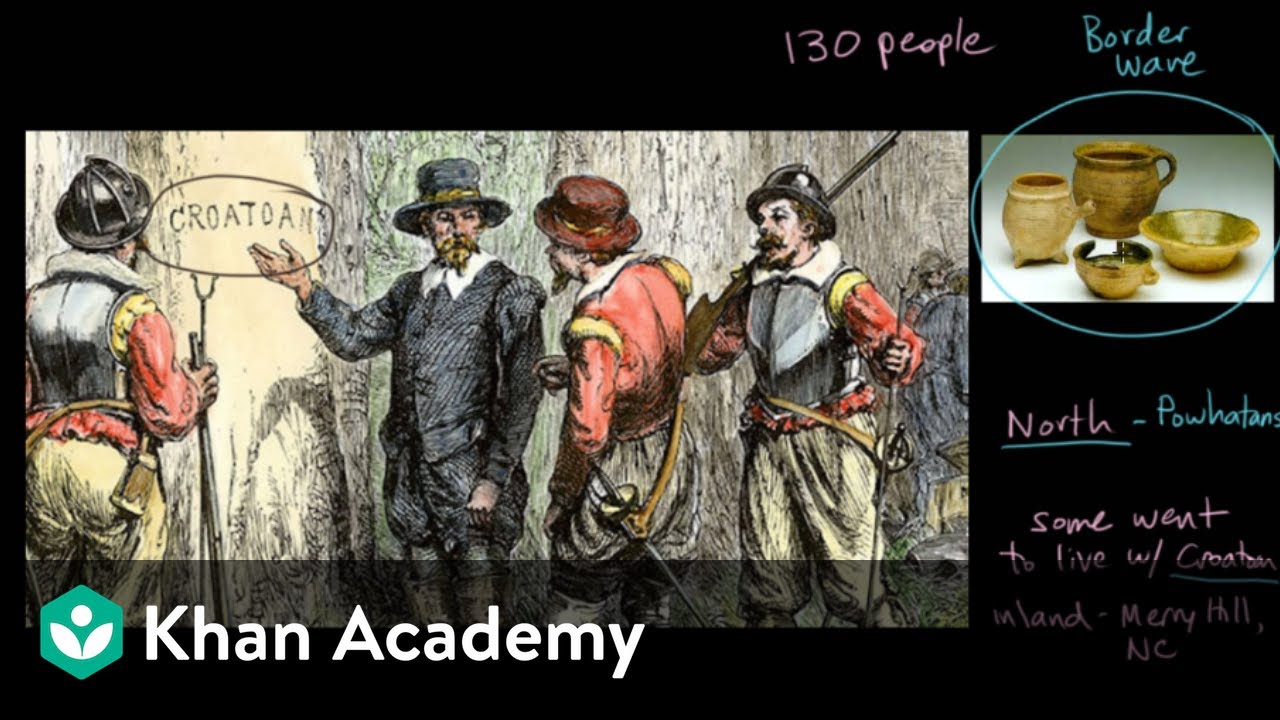
The Lost Colony of Roanoke - settlement and disappearance

The Colony of Roanoke’s Mysterious Disappearance | The UnXplained (Season 3)
English Colonization Begins in North America

The Words That Shaped Canada: The British North America Act

Sir Francis Drake - The Pirate Who Saved England

Why Is French Spoken In Canada?
5.0 / 5 (0 votes)

