From the 60 Minutes Archive: Face Blindness
Summary
TLDRThis video delves into the condition of face blindness, or prosopagnosia, exploring how individuals with this condition struggle to recognize faces, even of close family members. The script highlights various personal experiences, including those of Jacob Hodes, Chuck Close, and Colleen Castaldo, shedding light on the challenges they face in social interactions and relationships. The video also contrasts face blindness with the phenomenon of super recognizers, people with extraordinary face recognition abilities. Through interviews with experts and affected individuals, the video explores the neurological roots of the condition and the emotional and social impact it has on those living with it.
Takeaways
- 😀 People with face blindness (prosopagnosia) struggle to recognize faces, including their loved ones and even their own reflection.
- 😀 Face blindness can be congenital or acquired, with some individuals being born with the condition while others develop it after brain injury or trauma.
- 😀 Face recognition is an automatic and effortless process for most people, but for those with prosopagnosia, it's a complex and often frustrating task.
- 😀 Techniques to compensate for face blindness include recognizing individuals by their voice, body shape, style, and even how they walk or their hair style.
- 😀 Some individuals, like Chuck Close, the famous artist, have learned to cope with face blindness by breaking down faces into smaller, memorable details instead of relying on an overall image.
- 😀 Face blindness is relatively unknown to many, including doctors, and people with the condition often don't realize there is a name or diagnosis for what they experience.
- 😀 People with face blindness may struggle socially, as they often fail to recognize familiar faces and may accidentally offend others by not acknowledging them.
- 😀 Super recognizers, who have an exceptional ability to remember faces, are the polar opposite of people with face blindness. These individuals can recognize faces even after many years or significant changes in appearance.
- 😀 The fusiform face area in the brain is key to processing faces. Damage to or underdevelopment of this area can lead to face blindness, as evidenced by brain scans of affected individuals.
- 😀 Despite the challenges, advancements in research are being made to better understand the neurological underpinnings of face recognition, and efforts are underway to help individuals with face blindness improve their recognition skills.
Q & A
What is prosopagnosia, also known as face blindness?
-Prosopagnosia, or face blindness, is a condition where individuals have difficulty recognizing faces. People with this condition may not be able to recognize familiar faces, including their own family members, despite being able to see the faces clearly. This can cause significant social challenges.
How do people with face blindness compensate for their inability to recognize faces?
-People with face blindness use various strategies to identify others, such as relying on other features like hair color, body shape, the way people walk, or their voice. They may also focus on clothing styles or unique characteristics of a person’s appearance.
Can face blindness be congenital, or is it only caused by brain injury?
-Face blindness can be both congenital (present from birth) and acquired due to brain injuries. It was once thought that the condition only arose from brain trauma, but more recent research has shown that some individuals are born with this impairment.
How does face blindness affect personal relationships?
-Face blindness can create social difficulties as individuals may fail to recognize close family members, friends, or even themselves in a mirror. This can lead to awkward situations where people with face blindness may unknowingly ignore or offend others, potentially damaging relationships.
What is the fusiform face area in the brain, and how is it related to face blindness?
-The fusiform face area (FFA) is a region in the brain that is specifically activated when processing faces. For people with face blindness, the FFA may not function properly, leading to their inability to recognize faces. This area of the brain plays a crucial role in distinguishing faces from other objects.
What was the significance of Colleen Castaldo’s brain scan in understanding face blindness?
-Colleen Castaldo's brain scan revealed a hole in the right temporal lobe, which is where the fusiform face area is located. This discovery supported the idea that face blindness can result from damage to specific parts of the brain responsible for processing faces.
How do super recognizers differ from people with face blindness?
-Super recognizers are individuals who have an extraordinary ability to recognize faces, even after many years or significant changes in appearance. Unlike people with face blindness, super recognizers can easily identify faces from the past, including when they have aged or changed significantly.
Why is face recognition considered a unique process in the brain?
-Face recognition is unique because it involves the processing of subtle, complex differences in facial features, which is computationally difficult for the brain. This is why people with face blindness struggle with distinguishing faces, even if they can describe other aspects like eye color or general shape.
What challenges do super recognizers face in social situations?
-Super recognizers may struggle with social interactions as their exceptional ability to remember faces can be perceived as stalker-like behavior. They might remember someone they met years ago, but the other person may not recognize them, leading to awkwardness and discomfort in social settings.
How does face blindness affect love and personal connections?
-People with face blindness may experience love and personal connections differently, as they do not carry a mental image of their loved ones' faces. Instead, they form abstract associations based on other characteristics, which can make emotional and visual connections feel less vivid or concrete.
Outlines

Этот раздел доступен только подписчикам платных тарифов. Пожалуйста, перейдите на платный тариф для доступа.
Перейти на платный тарифMindmap

Этот раздел доступен только подписчикам платных тарифов. Пожалуйста, перейдите на платный тариф для доступа.
Перейти на платный тарифKeywords

Этот раздел доступен только подписчикам платных тарифов. Пожалуйста, перейдите на платный тариф для доступа.
Перейти на платный тарифHighlights

Этот раздел доступен только подписчикам платных тарифов. Пожалуйста, перейдите на платный тариф для доступа.
Перейти на платный тарифTranscripts

Этот раздел доступен только подписчикам платных тарифов. Пожалуйста, перейдите на платный тариф для доступа.
Перейти на платный тариф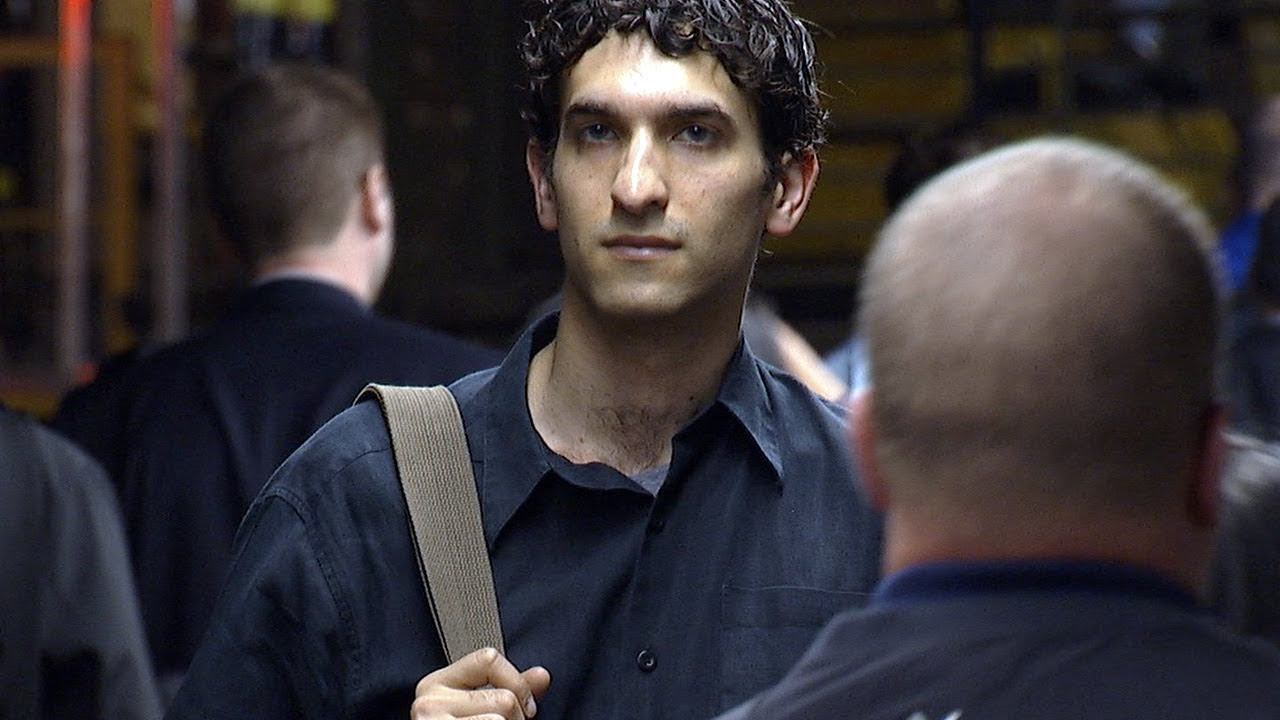




5.0 / 5 (0 votes)

