Inventory Management | A-Level, IB & BTEC Business
Summary
TLDRThis video explains the concept of stocks and stock management in businesses, covering the three main types of stock: raw materials, work in progress, and finished goods. It highlights the importance of holding stock to meet customer demand, protect against unexpected fluctuations, and ensure efficient production. Key factors influencing stock levels include demand satisfaction, capital management, and the risk of obsolescence. The video also explores the costs involved in holding stock, such as storage, interest, and stock-out costs, providing a comprehensive introduction to stock management.
Takeaways
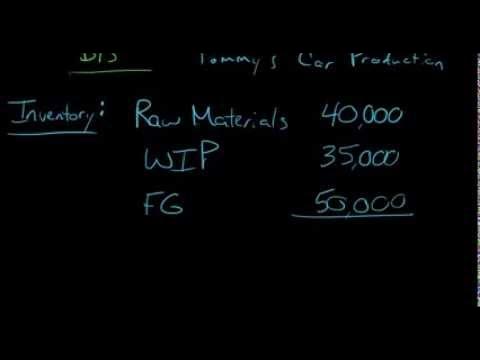
- 😀 Stocks (or inventories) refer to raw materials, work in progress, and finished goods in a business.
- 😀 Raw materials are the components that go into the production process, while work in progress refers to items that are not yet finished.
- 😀 Finished goods are products ready to be sold to customers.
- 😀 Businesses need stock to enable production, meet customer demand, and protect against sudden or seasonal fluctuations in demand.
- 😀 Buffer stock helps ensure businesses do not run out of essential materials or products, preventing delays in production.
- 😀 Too much stock ties up capital and can lead to financial inefficiencies, as businesses must manage the costs of holding stock.
- 😀 Managing stock levels is influenced by demand, working capital needs, and the risk of stock becoming obsolete.
- 😀 Excessive stock can lead to higher storage costs, including warehousing, employees, and equipment.
- 😀 Holding too much stock also increases the risk of obsolescence, especially for items that go out of fashion or pass their sale-by date.
- 😀 The cost of stockouts (not having the product a customer wants) is significant, as it can lead to lost sales and damage customer relationships.
- 😀 Effective stock management must balance the cost of holding stock against the risk of stockouts, ensuring that businesses are both efficient and responsive to customer demand.
Q & A
What are the three main types of stock in a business?
-The three main types of stock in a business are raw materials and components, work in progress, and finished goods.
Why do businesses hold stock?
-Businesses hold stock to ensure smooth production, meet customer demand, handle unexpected increases in demand, manage seasonal changes, and avoid production delays. Holding stock also protects businesses from stockouts.
What is 'work in progress' in the context of stock management?
-'Work in progress' refers to stock that is in the process of being manufactured but is not yet finished. Examples include construction projects or items on a production line that are not yet packaged.
What does the term 'buffer stock' mean?
-Buffer stock refers to extra stock held by a business to prevent stockouts and production delays. It acts as a safeguard against unexpected changes in demand or supply chain disruptions.
What are the key factors influencing how much stock a business holds?
-The key factors are the need to satisfy demand, the need to manage working capital, and the risk of stock losing value over time. Businesses must balance having enough stock to meet demand while managing costs and risks.
How does holding too much stock affect a business?
-Holding too much stock ties up cash that could be used elsewhere, incurs storage costs, and increases the risk of stock becoming obsolete or unsellable.
What is the cost of holding stock beyond just purchasing it?
-The cost of holding stock includes storage costs (e.g., warehousing, employee time, and equipment), interest costs due to tied-up capital, and the risk of stock becoming obsolete or unsellable over time.
What is a 'stockout' cost?
-A stockout cost occurs when a business runs out of a product that customers want to purchase, leading to lost sales and potentially damaging customer relationships unless the product can be quickly restocked.
How does the risk of obsolescence affect stock management?
-The longer a business holds stock, the greater the risk that the stock may become obsolete. For example, items may go out of fashion or pass their sale-by date, making them harder to sell or even unsellable.
What role does stock control play in managing stock levels effectively?
-Stock control involves monitoring and managing stock levels to ensure a business has enough inventory to meet demand without overstocking. Effective stock control helps minimize costs, avoid stockouts, and reduce the risk of holding obsolete stock.
Outlines

Этот раздел доступен только подписчикам платных тарифов. Пожалуйста, перейдите на платный тариф для доступа.
Перейти на платный тарифMindmap

Этот раздел доступен только подписчикам платных тарифов. Пожалуйста, перейдите на платный тариф для доступа.
Перейти на платный тарифKeywords

Этот раздел доступен только подписчикам платных тарифов. Пожалуйста, перейдите на платный тариф для доступа.
Перейти на платный тарифHighlights

Этот раздел доступен только подписчикам платных тарифов. Пожалуйста, перейдите на платный тариф для доступа.
Перейти на платный тарифTranscripts

Этот раздел доступен только подписчикам платных тарифов. Пожалуйста, перейдите на платный тариф для доступа.
Перейти на платный тарифПосмотреть больше похожих видео

Managing Stock Explained | Bar Gate Stock Graphs, JIT, Procurement & Logistics
Inventory Management System

Manajemen Produksi Ep.05 Manajemen Persediaan

Manajemen Persediaan (Inventory)
3 Types of Inventory (Raw Materials, WIP, and Finished Goods)
What is Inventory Management? | Inventory Types and Major Challenges | SafetyCulture
5.0 / 5 (0 votes)

