Mastery: How to Learn Anything Fast | Nishant Kasibhatla
Summary
TLDRIn this engaging presentation, the speaker demonstrates the power of memory training by memorizing a 30-digit number and reciting it backward after a 20-minute speech. The speaker emphasizes the importance of not just learning but also reflecting, implementing, and sharing knowledge for deep learning and mastery. They advocate for a balanced approach to input and output, suggesting that spending twice as much time on output as input can lead to mastery in any field. The talk is sprinkled with humor and personal anecdotes, illustrating the journey from poor memory to breaking a Guinness record in memorization.
Takeaways
- 🧠 The human brain can be trained to improve memory and learning capabilities, regardless of one's initial memory assessment.
- 🙌 Audience participation is used effectively to demonstrate memory techniques and engage the audience in the learning process.
- 🔢 The speaker memorized a 30-digit number as a live demonstration, showcasing the potential of trained memory.
- 🎓 The speaker has achieved notable memory feats, including memorizing 1944 digits and breaking a Guinness World Record, indicating that anyone can excel with practice.
- 🚴♂️ The journey from having a poor memory to becoming a memory expert is possible, emphasizing that memory skills are not fixed but can be developed.
- 💡 Successful people are characterized by passion, clear goals, hard work, commitment, and most importantly, a commitment to lifelong learning.
- 📚 Learning ability is directly linked to earning capacity, suggesting that the faster one learns, the greater the potential for success.
- 🔄 The importance of focusing on output over input is highlighted, as too much input without application leads to shallow learning.
- 🤔 Reflecting on what is learned is crucial for solidifying knowledge and understanding how to apply it in real life.
- 🏆 Implementation of learned knowledge is key to achieving mastery, as it turns theoretical learning into practical competence.
- 🗣️ Sharing or teaching what one has learned is an effective way to reinforce one's own understanding and move towards mastery.
Q & A
What is the main message of the speaker in the transcript?
-The speaker emphasizes that regardless of one's natural memory abilities, anyone can train their brain to remember better, learn faster, and achieve mastery in any area of life.
What demonstration does the speaker perform to showcase the potential of trained memory?
-The speaker performs a demonstration where they memorize a 30-digit number written on a flip chart by five volunteers and then recall it from memory.
What is the speaker's personal achievement in the field of memory?
-The speaker has memorized a number consisting of 1944 digits, a deck of playing cards in under two minutes, and seven decks of playing cards in 60 minutes. They also became a grandmaster of memory and broke a Guinness record in memorizing the longest sequence of colors.
What was the speaker's memory like before they trained it?
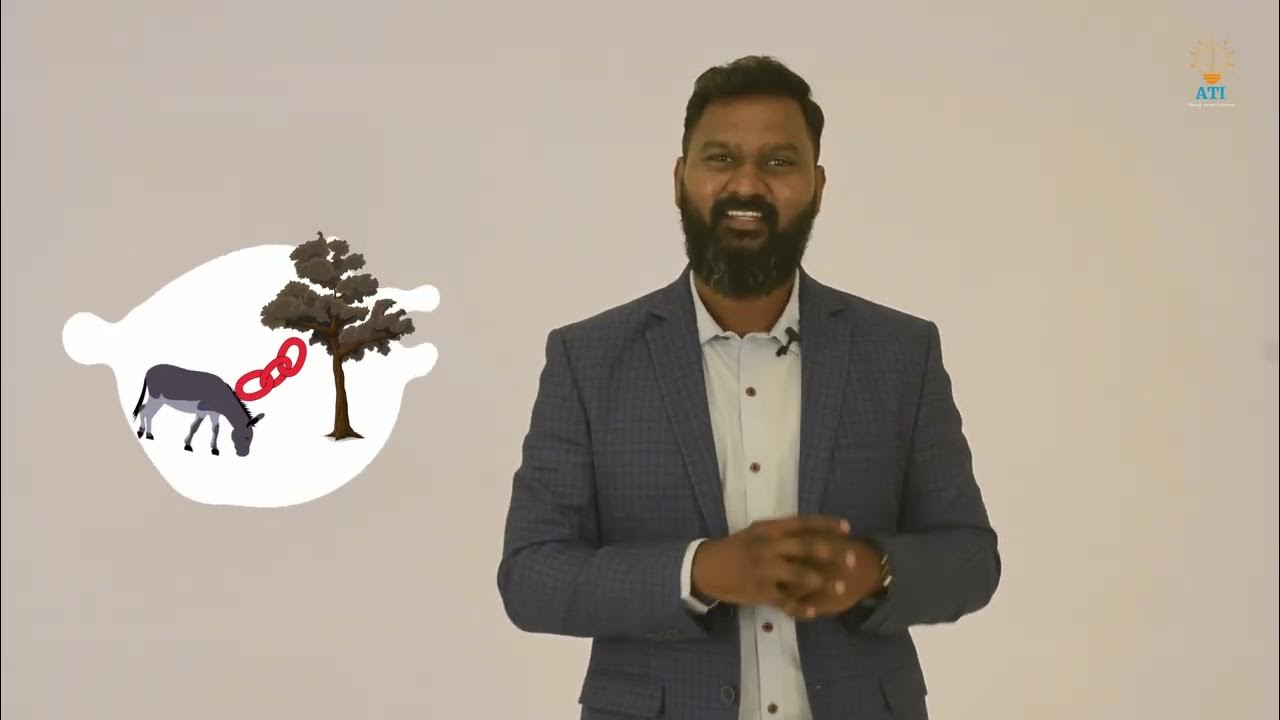
-The speaker used to have a lousy memory, as evidenced by an anecdote where they forgot they had ridden a bicycle to a shop and ended up losing it.
What is the speaker's formula for learning and mastering anything?
-The speaker's formula involves focusing on high-quality input, reflecting on the learned material, implementing it in practice, and sharing or teaching it to others.
Why is focusing on output more important than input according to the speaker?
-Focusing on output is more important because it helps solidify learning, prevents shallow learning, and leads to deep learning and mastery.
What is the relationship between learning ability and earning capacity as per the speaker?
-The speaker suggests that one's learning ability directly influences their earning capacity, as faster learning can lead to a competitive advantage and higher income.
What is the speaker's advice on dealing with distractions during the learning process?
-The speaker advises to avoid multitasking and distractions while learning, suggesting that one should focus on single-tasking and pay full attention to the learning material.
What technique does the speaker use to memorize numbers quickly?
-The speaker uses visualization and association techniques, where they convert numbers into pre-assigned visuals and link them together using associations.
How does the speaker suggest balancing time spent on learning and output?
-The speaker suggests that if you spend 'x' amount of time on input (learning), you should spend at least '2x' amount of time on output (reflecting, implementing, and sharing).
What is the final challenge the speaker sets for themselves in the script?
-The speaker challenges themselves to recall the 30-digit number in reverse order after speaking for 20 minutes, as a way to face their fear and demonstrate the effectiveness of their memory techniques.
Outlines

Этот раздел доступен только подписчикам платных тарифов. Пожалуйста, перейдите на платный тариф для доступа.
Перейти на платный тарифMindmap

Этот раздел доступен только подписчикам платных тарифов. Пожалуйста, перейдите на платный тариф для доступа.
Перейти на платный тарифKeywords

Этот раздел доступен только подписчикам платных тарифов. Пожалуйста, перейдите на платный тариф для доступа.
Перейти на платный тарифHighlights

Этот раздел доступен только подписчикам платных тарифов. Пожалуйста, перейдите на платный тариф для доступа.
Перейти на платный тарифTranscripts

Этот раздел доступен только подписчикам платных тарифов. Пожалуйста, перейдите на платный тариф для доступа.
Перейти на платный тариф


5.0 / 5 (0 votes)

