GM Crops | Genetics | Biology | FuseSchool
Summary
TLDRThis video discusses genetically modified (GM) crops and their potential benefits and risks. GM crops, such as cotton, soybean, and rice, are altered to increase yields, resist pests and weeds, and enhance nutritional value. Golden rice, for example, is modifiedTranscript Summary Request to provide extra vitamin A. While GM crops can help address food scarcity, there are concerns about their long-term effects and environmental risks. The video emphasizes the need for ongoing research to ensure the safety of GM crops, with the aim of feeding a growing global population while minimizing ecological damage.
Takeaways
- 😀 GM crops are plants whose genes are altered through genetic engineering to improve traits like yield and nutritional value.
- 😀 The growing human population increases the demand for food, and GM crops offer a solution by producing higher yields and better nutritional content.
- 😀 Common genetically modified crops include cotton, soybean, maize, and canola, which are engineered for specific benefits.
- 😀 GM crops can be modified to resist pests by producing insecticides naturally, reducing the need for harmful chemical pesticides.
- 😀 Genetic modification can make crops resistant to herbicides, allowing farmers to use weed killers without harming the crops themselves.
- 😀 Golden rice is a genetically modified crop that contains beta-carotene, a precursor to Vitamin A, to help prevent Vitamin A deficiency in countries reliant on rice.
- 😀 Other GM crops have been developed to grow in harsh environments, such as drought or cold temperatures, improving food security.
- 😀 Genetic modifications can lead to increased yields from existing farmland or enable farming on lower-quality land.
- 😀 There are concerns about the long-term environmental and ecological effects of GM crops, including the potential for gene spread to wild plants.
- 😀 Despite the benefits, the growth of GM crops is banned in many countries due to concerns about potential risks to ecosystems and human health.
Q & A
Script Q&A GenerationWhat does GM stand for in the context of crops?
-GM stands for genetically modified, referring to crops whose genes have been altered through genetic engineering to improve their characteristics.
Why is there a higher demand for food as the human population increases?
-As the human population grows, there is a greater need for food to ensure everyone has access to a balanced diet, which often leads to the challenge of growing enough food.
How do GM crops help in meeting the demand for food?
-GM crops tend to have higher yields than conventional crops and can offer additional nutritional value, helping to address food shortages and improving the overall quality of food.
What are some examples of crops that are commonly genetically modified?
-Common genetically modified crops include cotton, soybean, maize, and canola.
How do pests affect crop yields, and how do GM crops address this issue?
-Pests, such as insects, can damage crops, which often leads to a decrease in yields. GM crops are modified with a gene from the bacterium Bacillus thuringiensis, producing an insecticide that helps protect crops from pest damage without the need for chemical pesticides.
What are the environmental concerns associated with using chemical pesticides?
-Chemical pesticides can harm the environment by killing beneficial insects like pollinators, damaging soil and water, and negatively impacting animals that consume poisoned insects.
How can GM crops be modified to address the problem of weeds?
-GM crops can be engineered to be resistantGM Crops Q&A to weed killers, allowing farmers to kill weeds without damaging the crops, which ultimately leads to higher yields.
What is Golden Rice, and how does it help people in certain countries?
-Golden Rice is a genetically modified variety of rice that contains beta-carotene, which the body converts into vitamin A. This modification helps combat vitamin A deficiency in countries where people primarily consume cereals like rice with few fruits or vegetables.
What are some other examples of GM crops, apart from Golden Rice?
-Other GM crops include those that are designed to grow in challenging conditions, such as drought or cold temperatures, and crops that are resistant to diseases.
Why are some people concerned about the safety of GM crops?
-Some people are concerned about the long-term effects of genetic engineering, as GM crops have not been around for long. There are also concerns that GM crops could crossbreed with other plants, spreading modified genes into natural populations and potentially disrupting ecosystems.
Outlines

Этот раздел доступен только подписчикам платных тарифов. Пожалуйста, перейдите на платный тариф для доступа.
Перейти на платный тарифMindmap

Этот раздел доступен только подписчикам платных тарифов. Пожалуйста, перейдите на платный тариф для доступа.
Перейти на платный тарифKeywords

Этот раздел доступен только подписчикам платных тарифов. Пожалуйста, перейдите на платный тариф для доступа.
Перейти на платный тарифHighlights

Этот раздел доступен только подписчикам платных тарифов. Пожалуйста, перейдите на платный тариф для доступа.
Перейти на платный тарифTranscripts

Этот раздел доступен только подписчикам платных тарифов. Пожалуйста, перейдите на платный тариф для доступа.
Перейти на платный тарифПосмотреть больше похожих видео

Eyes of Nye - GMO foods

NOVA Frontline Harvest of Fear 9 of 12 captioned

Should we embrace GM food? - five-minute debate
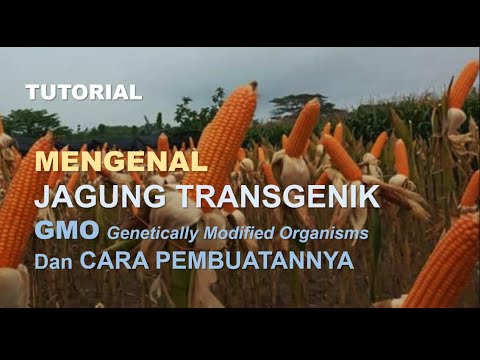
TUTORIAL Mengenal jagung transgenik/GMO & cara pembuatannya sebagai jagung yg bermutu & unggul
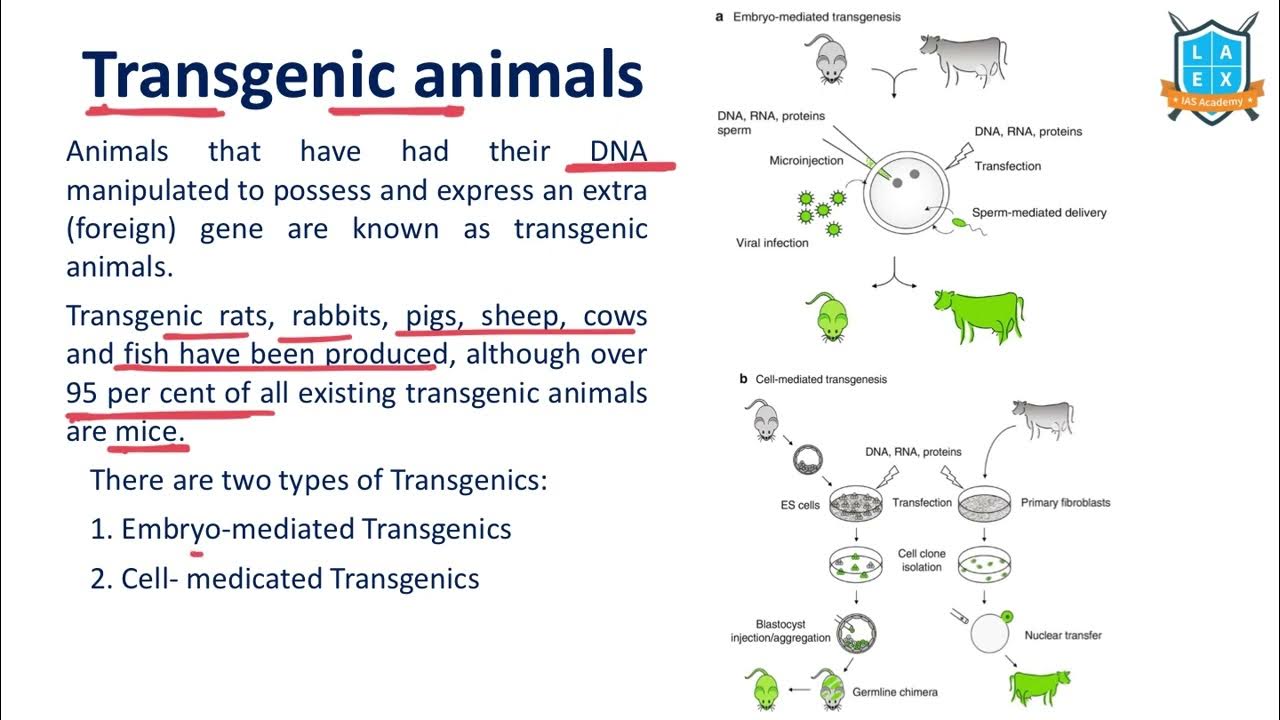
What is Transgenic Animals ? || Transgenic Animals అంటే ఏమిటి? || La Excellence
Dampak Penerapan dan Pengembangan Bioteknologi di Bidang Lingkungan, Kesehatan, Sosial dan Ekonomi
5.0 / 5 (0 votes)

