The Most Effective Workout - How good is Circuit Training?
Summary
TLDRThe video explores the effectiveness, advantages, and drawbacks of circuit training. Circuit training involves moving through various exercise stations with minimal rest, targeting different muscle groups for strength endurance, mobility, or other abilities. Pros include improved strength endurance, time efficiency, and enhanced metabolism. However, the video highlights several cons: it is less effective for building maximum strength or muscle mass, not ideal for skill development, and offers limited cardiovascular benefits. Using a high-intensity circuit can also reduce performance and increase injury risk. Ultimately, the video encourages viewers to choose training methods aligned with their specific fitness goals.
Takeaways
- 💪 Circuit training is a method where you move through multiple exercise stations, targeting different muscle groups with minimal rest.
- ⏱️ It is time-efficient because short rest periods allow for quicker completion compared to traditional strength training.
- 🏋️♂️ Circuit training improves strength endurance, helping muscles maintain force production over longer periods at moderate intensity (30–65% of 1RM).
- ⚡ It can boost metabolism through better muscle capillarization and improved transport of metabolic products.
- 🧱 Circuit training is not ideal for building maximum strength or significant muscle mass due to the need for lighter weights and short rest periods.
- 🎯 It is not well-suited for skill training because fatigue reduces focus, concentration, and performance quality.
- ❤️ Circuit training provides minimal cardiovascular improvement unless specifically designed for aerobic or VO2 max enhancement.
- 🔥 High-intensity circuits can lead to rapid fatigue, reduced exercise performance, and increased stress on ligaments.
- 🛠️ Choosing the right exercises and intensity is crucial to balance workload and recovery during a circuit.
- 🎯 The suitability of circuit training depends entirely on your goals: ideal for strength endurance, less effective for muscle growth, maximum strength, or skill development.
- ⚠️ Overdoing circuits, especially with heavy exercises, can prolong recovery and negatively affect performance in subsequent days.
- 🧩 To maximize benefits, circuit training should be tailored in intensity, duration, and exercise selection based on personal fitness objectives.
Q & A
What is circuit training?
-Circuit training is a training method where you move through different exercise stations consecutively. Each station targets specific muscle groups, allowing others to recover while maintaining an overall workout flow.
What types of fitness can circuit training target?
-Circuit training can be designed to target strength, endurance, mobility, or other physical abilities, depending on the chosen exercises and structure.
How does circuit training improve strength endurance?
-Circuit training improves strength endurance by having participants perform exercises at 30–65% of their maximum strength (1RM) over time, helping maintain force production while fatigue increases.
Why does circuit training save time compared to traditional strength training?
-Because circuit training uses short rests between exercises, it allows for continuous work without long recovery periods, unlike maximum strength training which requires 3–5 minutes of rest between sets.
How does circuit training affect metabolism?
-Strength endurance circuit training enhances capillarization in muscles, improving the transport of metabolic products and supporting overall metabolic function, though it is not the only way to boost metabolism.
Why is circuit training not ideal for building maximum strength or muscle mass?
-Circuit training typically involves lower intensity and shorter rest periods to perform multiple exercises consecutively, which prevents lifting at maximum intensity required for significant muscle growth or maximum strength gains.
Is circuit training effective for skill development?
-No, skill training requires mental focus and fresh energy. Circuit training’s short rests and fatigue accumulation can negatively affect skill execution.
Does circuit training improve cardiovascular fitness?
-Not significantly. Most circuit training focuses on strength endurance rather than increasing VO2 max, which is necessary for improving cardiovascular capacity.
What happens if you perform circuit training with very high intensity exercises?
-Performing high-intensity exercises in a circuit can lead to a decrease in performance across rounds, poor form, higher risk of ligament injury, and longer recovery times.
How should someone decide if circuit training is right for them?
-Decide based on your fitness goals. Circuit training is suitable for improving strength endurance and saving time, but if your goal is muscle growth, maximum strength, skill learning, or cardiovascular improvement, other training methods may be more effective.
What is the role of rest periods in circuit training?
-Short rest periods allow continuous exercise while giving minor recovery to muscles not being targeted at that station. Longer rest periods, which are typical in other training methods, are needed for maximum strength and skill-focused training.
Outlines

このセクションは有料ユーザー限定です。 アクセスするには、アップグレードをお願いします。
今すぐアップグレードMindmap

このセクションは有料ユーザー限定です。 アクセスするには、アップグレードをお願いします。
今すぐアップグレードKeywords

このセクションは有料ユーザー限定です。 アクセスするには、アップグレードをお願いします。
今すぐアップグレードHighlights

このセクションは有料ユーザー限定です。 アクセスするには、アップグレードをお願いします。
今すぐアップグレードTranscripts

このセクションは有料ユーザー限定です。 アクセスするには、アップグレードをお願いします。
今すぐアップグレード関連動画をさらに表示

A-Level Computer Science (9618) - 14 - Communication and Internet Technologies
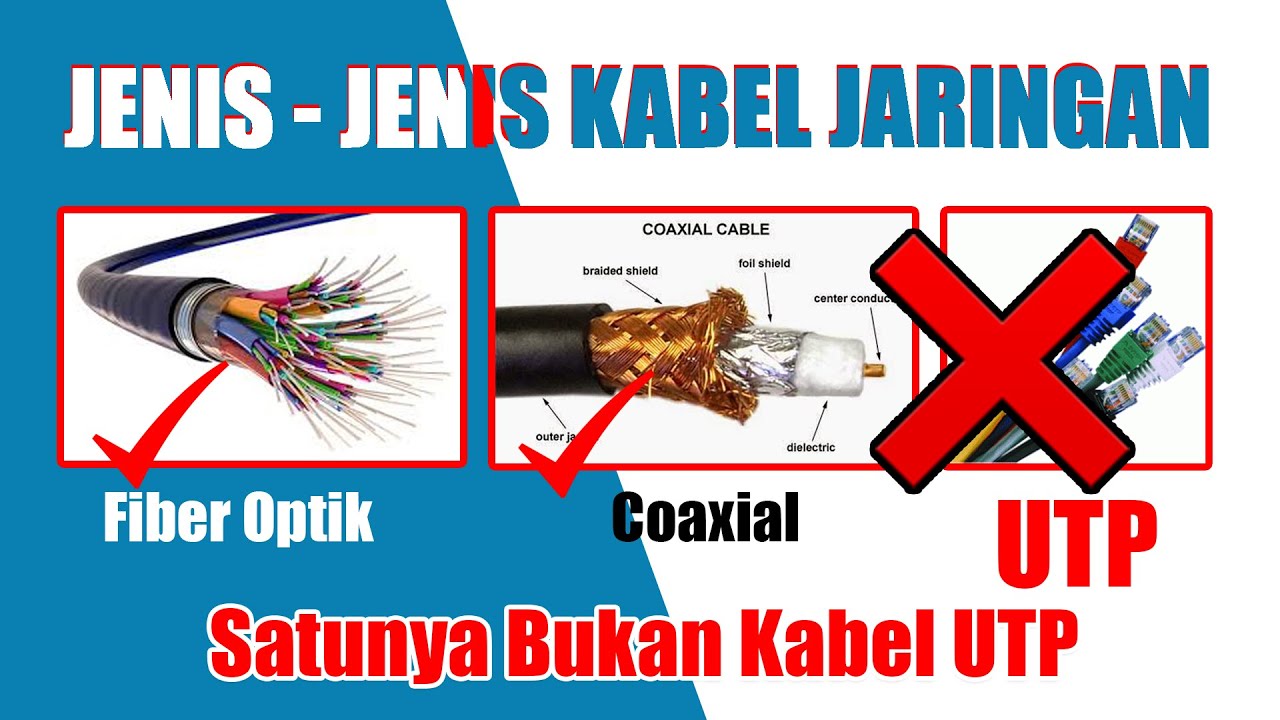
Pengertian dan Jenis-Jenis Kabel Jaringan

GCSE PE - METHODS OF TRAINING (HIIT, Circuit-training, Altitude-training) - (Training 7.2)
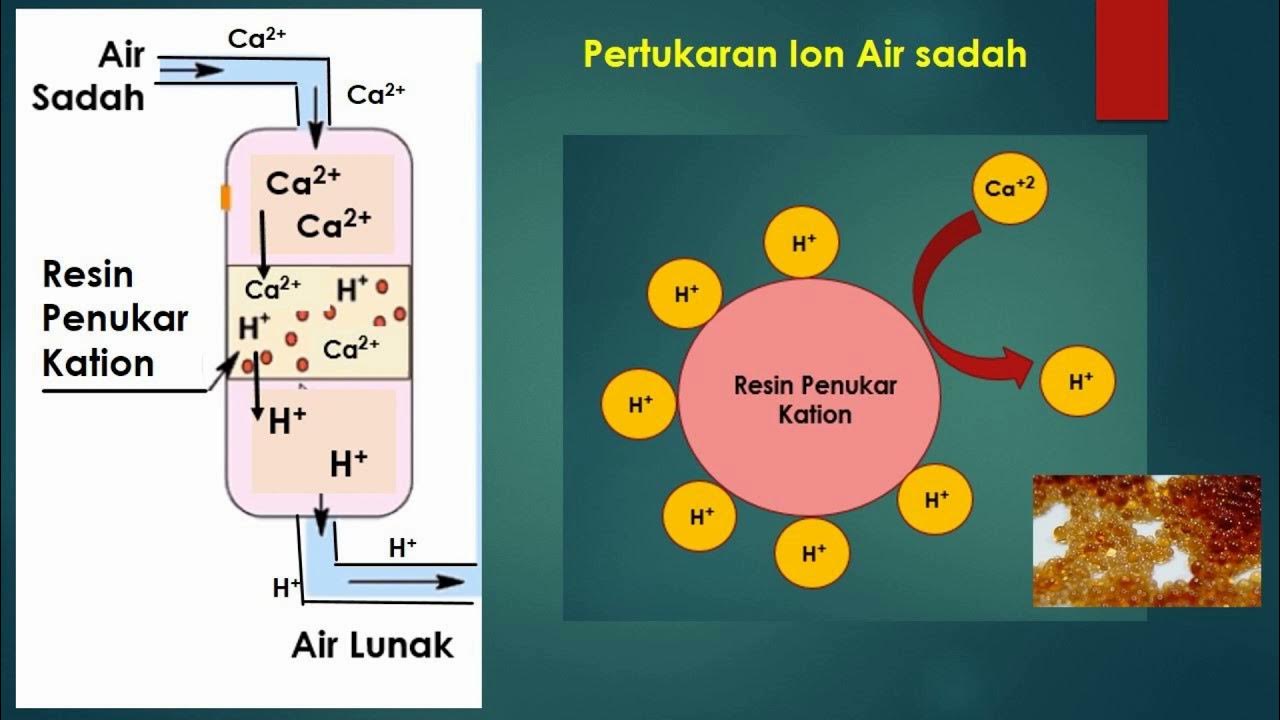
Mengenal ION EXCHANGE / PERTUKARAN ION: Tutorial

How Franchising Works | Examples from McDonald's

How to Build Your LATS: The ULTIMATE Guide (36 Studies)
5.0 / 5 (0 votes)

