Cara Bertahan di Tengah Badai Ekonomi 2026
Summary
TLDRThe video analyzes Indonesia's current economic challenges, focusing on the weakening rupiah, global geopolitical tensions, rising oil prices, and capital outflows affecting emerging markets. It explains how U.S. interest rates and prolonged conflicts, such as tensions between the U.S. and Iran, drive currency shifts and inflation. The speaker identifies the key beneficiaries—Russia, the U.S., and Saudi Arabia—and stresses the ripple effects on imports, chemicals, and consumer goods. Viewers are advised to strengthen personal finances through emergency funds, diversify income, and invest cautiously in USD-based bonds, gold, and Bitcoin. The video emphasizes resilience, informed planning, and collective awareness amid global uncertainties.
Takeaways
- 😀 The Indonesian rupiah has reached a historical low of 17,295 due to a combination of global geopolitical factors and local economic challenges.
- 🌍 Geopolitical instability, especially the US-Iran conflict and rising oil prices, are significant drivers of the rupiah's decline.
- ⛽ As an oil-importing nation, Indonesia is particularly affected by rising crude oil prices, which have a direct impact on the economy.
- 📈 The US Federal Reserve's interest rate hikes are encouraging investors to move their money into the USD, further weakening emerging market currencies like the rupiah.
- 💸 Capital outflow from Indonesia is increasing, driven by fears of a growing budget deficit and foreign currency risk in the country.
- 💥 Oil refineries around the world have faced a significant number of fires recently, exacerbating the global oil crisis and contributing to higher oil prices.
- 📉 Emerging market currencies, including the rupiah, are weakening globally due to the stronger USD, as seen in the rising DXY (US Dollar Index).
- 💡 Major countries like Russia, the US, and Saudi Arabia are benefiting from the ongoing global instability and high oil prices.
- 🚨 The Indonesian economy faces significant pressure in the coming years, with inflation, rising costs, and an uncertain future for foreign investment.
- 💼 Indonesians are urged to tighten their financial belts, prepare emergency funds (equal to 6 months of income), and focus on job security to weather the economic storm.
- 🛡️ Diversifying investments into USD-based government bonds, gold, and Bitcoin is recommended as a strategy to protect wealth during times of economic instability.
Q & A
Why has the Indonesian Rupiah reached a historic low of 17,295?
-The decline in the Indonesian Rupiah is primarily due to global geopolitical factors, such as ongoing conflicts, particularly between the US and Iran, as well as rising global oil prices. Additionally, the strengthening of the US Dollar and capital outflows from emerging markets like Indonesia have contributed to the weakening of the Rupiah.
What role does geopolitical instability play in the weakening of the Rupiah?
-Geopolitical instability, such as the US-Iran conflict, has a direct impact on global markets, which in turn affects currencies in emerging markets like Indonesia. Uncertainty and prolonged wars can lead to a flight of capital to safer assets, such as the US Dollar, putting further pressure on local currencies like the Rupiah.
How does the price of oil influence the value of the Rupiah?
-As Indonesia is a net importer of oil, rising oil prices, especially crude oil, have a negative effect on the Rupiah. When oil prices rise, the cost of importing oil increases, leading to a trade deficit and putting downward pressure on the Rupiah.
What is the significance of US interest rates in this economic context?
-The US Federal Reserve's interest rate policies influence global capital flows. Higher US interest rates make the US Dollar more attractive to investors, leading to capital outflows from emerging markets like Indonesia, further weakening the Rupiah and other currencies in the region.
What is capital outflow and why is it happening in Indonesia?
-Capital outflow refers to the movement of investment funds from one country to another. In Indonesia's case, concerns about the country's fiscal deficit, which could reach 2.9% of GDP, have made global investors wary, prompting them to pull their investments out of Indonesia, which has contributed to the weakening of the Rupiah.
Which countries are benefiting from the global oil price increases?
-Russia, the United States, and Saudi Arabia are the primary beneficiaries of rising oil prices. These countries are major oil producers, and the increase in oil prices has significantly boosted their economies, unlike countries like Indonesia that are oil importers.
What impact do fires at oil refineries have on the global market?
-Fires at oil refineries around the world, such as in India and Australia, have disrupted global oil supply chains, exacerbating the rise in oil prices. These disruptions have contributed to market volatility and the strengthening of the US Dollar, which negatively affects emerging market currencies like the Rupiah.
What is the DXY index and how does it relate to currency movements?
-The DXY, or US Dollar Index, measures the value of the US Dollar against a basket of other major currencies. When the DXY increases, it indicates that the US Dollar is strengthening relative to other currencies, including those of emerging markets like Indonesia. This strengthens the Dollar and puts pressure on local currencies.
Why is the Indonesian stock market (IHSG) not performing well?
-The poor performance of the Indonesian stock market is largely due to capital outflows. As global investors pull their funds from emerging markets like Indonesia, the stock market suffers. Additionally, the weakening Rupiah and the increased risks associated with investing in Indonesia contribute to a lack of foreign investment.
What should individuals do to prepare for the financial challenges discussed in the video?
-Individuals should first focus on building an emergency fund equivalent to at least six months of their income. Next, they should secure their financial position by diversifying their investments, including government bonds denominated in USD, gold, and Bitcoin. Additionally, it is important to strengthen job security to avoid layoffs and consider diversifying income streams.
Outlines

このセクションは有料ユーザー限定です。 アクセスするには、アップグレードをお願いします。
今すぐアップグレードMindmap

このセクションは有料ユーザー限定です。 アクセスするには、アップグレードをお願いします。
今すぐアップグレードKeywords

このセクションは有料ユーザー限定です。 アクセスするには、アップグレードをお願いします。
今すぐアップグレードHighlights

このセクションは有料ユーザー限定です。 アクセスするには、アップグレードをお願いします。
今すぐアップグレードTranscripts

このセクションは有料ユーザー限定です。 アクセスするには、アップグレードをお願いします。
今すぐアップグレード関連動画をさらに表示
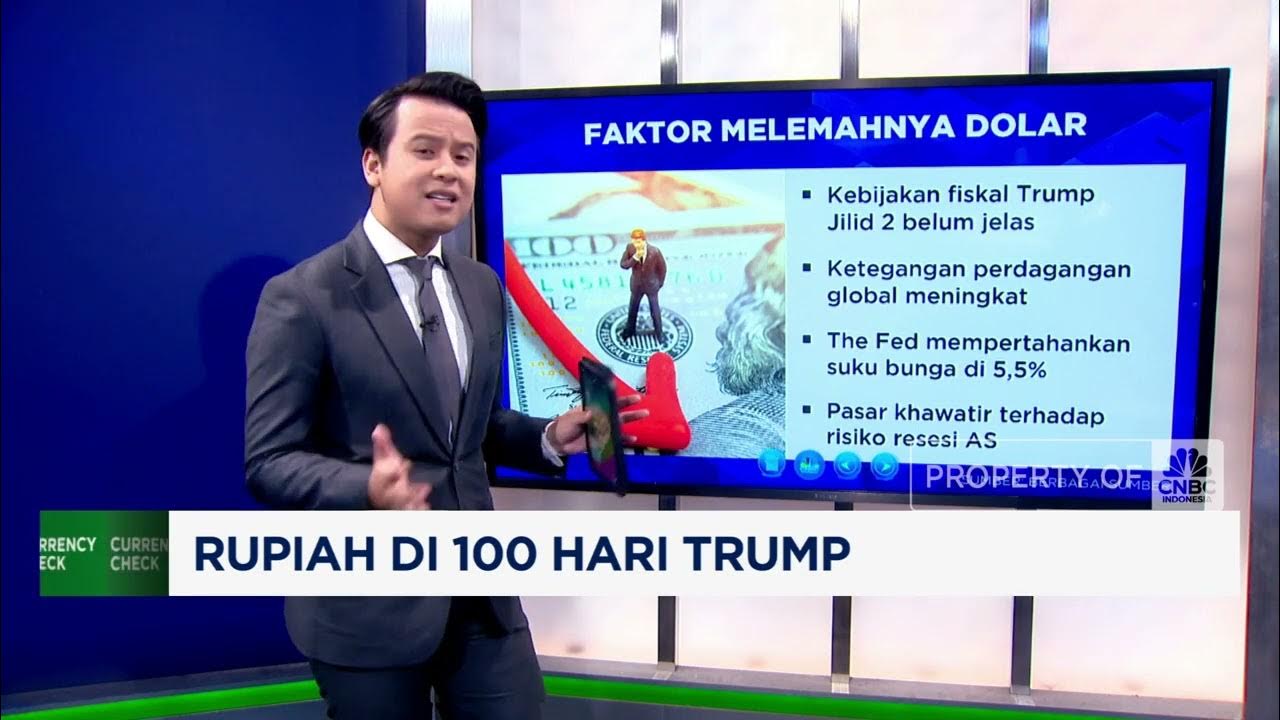
Rupiah di 100 Hari Trump

Pengamat Sebut Harga Emas Dunia akan Terus Naik Diprediksi hingga 2028

Mewaspadai Dampak Pelemahan Nilai Tukar Rupiah | IDX CHANNEL

Dampak Perang Iran-Israel bagi Ekonomi Indonesia

50 years-ல கம்மி..!! | 2 hours-ல game over | gold | Silver | RBI | dollar | ITC |

Dampak Ekonomi Perang India-Pakistan Bagi Indonesia
5.0 / 5 (0 votes)

