Structure Shift vs Liquidity Grab - ICT Concepts
Summary
TLDRIn this video, the speaker explains the concept of displacement in trading, emphasizing the importance of recognizing aggressive price moves and structural breaks to predict trends. Displacement refers to significant price actions that break previous highs or lows, signaling potential trend shifts. The speaker highlights how the lack of displacement, such as price failing to break structure, can also offer valuable insights for traders. Key strategies include using failure to displace over highs or lows as entry points for long or short trades, respectively. The video encourages traders to backtest these concepts in their charts for more effective decision-making.
Takeaways
- 😀 Displacement refers to large, aggressive candles that close at high or low points, breaking structure in the market.
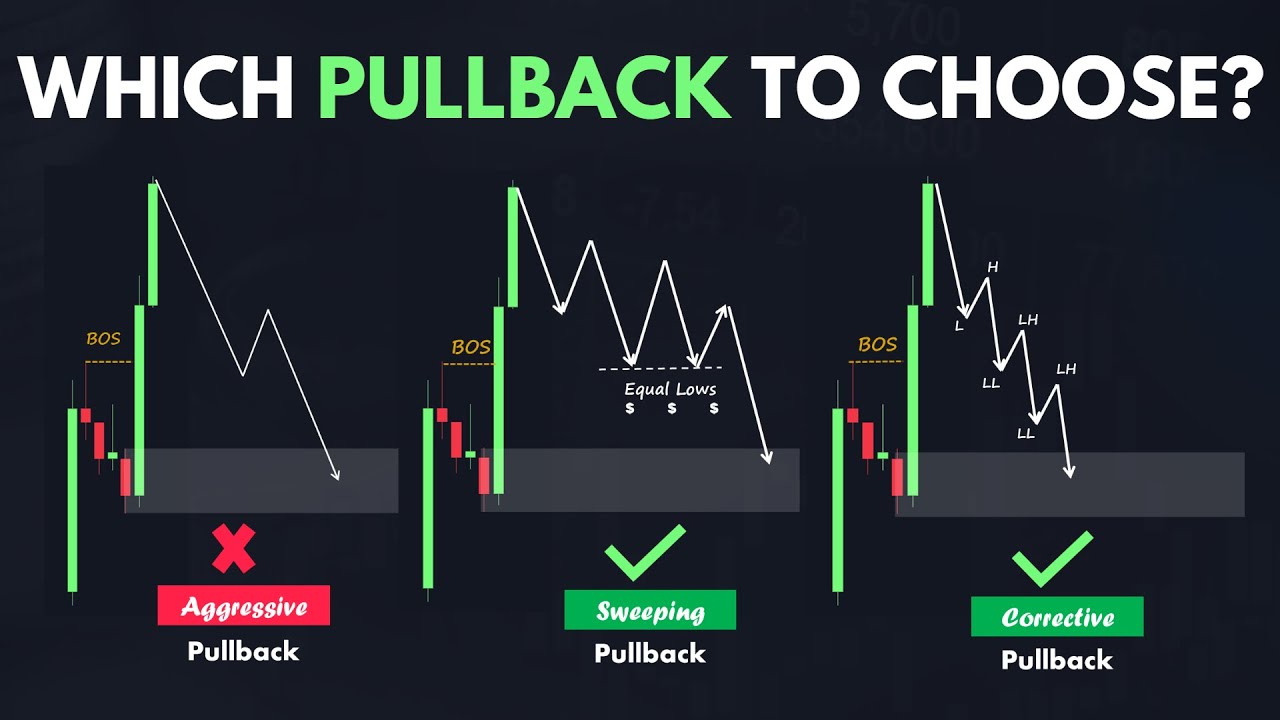
- 😀 The lack of displacement occurs when price breaks a low or high but fails to continue moving aggressively in that direction.
- 😀 Displacement over structure indicates a strong trend, while failure to displace suggests a reversal or consolidation.
- 😀 Traders should look for displacement to confirm trends, particularly when price breaks key levels like previous highs or lows.
- 😀 When a low is broken but price quickly returns to the range, it suggests a lack of displacement and could indicate a reversal.
- 😀 Displacement below a low suggests a bearish trend, while failure to displace supports a continuation of the bullish trend.
- 😀 For short entries, observe when the price fails to break above a high aggressively, signaling a potential reversal down.
- 😀 When price aggressively moves below lows and continues to break further, it confirms the continuation of a bearish trend.
- 😀 Broad information, or 'power of three,' involves consolidation, manipulation, and distribution phases in the market.
- 😀 Look for aggressive breaks of highs and lows to confirm continuation in either direction; failure to displace suggests a reversal.
- 😀 Displacement can serve as a key indicator for finding entries in trending markets, whether on the buy or sell side of the curve.
Q & A
What is displacement in trading according to the video?
-Displacement refers to large, aggressive candles that close beyond a significant high or low, breaking the existing structure. It indicates a strong directional move in the market.
How can traders identify a lack of displacement?
-A lack of displacement occurs when price attempts to break a high or low but fails to close beyond it, quickly moving back into the previous range. This suggests that the attempted move lacks strength and may reverse.
Why is it important to observe displacement over structure?
-Observing displacement over structure helps traders determine if the market is likely to continue a trend or reverse. Aggressive moves that break previous highs or lows signal trend continuation, while failure to displace suggests potential reversals.
What does it indicate if a short-term low fails to be displaced downward?
-If a short-term low fails to be displaced downward, it suggests bullish strength. The market is likely to move higher, providing potential long entry opportunities.
How does the video suggest using displacement for trend identification?
-The video recommends watching whether highs or lows are aggressively broken. Continuous aggressive displacement in one direction confirms a trend, while failure to displace can signal consolidation or a reversal.
What is meant by the 'power of three' or broadening formation in the context of displacement?
-The 'power of three' or broadening formation refers to observing how price fails on one side of a range and then moves to the other side. It involves consolidation, manipulation, and distribution, helping traders anticipate future directional moves.
How can traders use a fair value gap (FVG) in relation to displacement?
-A fair value gap serves as a potential support or resistance area. If price struggles to displace into or beyond a fair value gap, it suggests limited momentum, indicating the likely continuation of the opposite trend.
What role does the RTH (Regular Trading Hours) open play in analyzing displacement?
-The RTH open serves as a reference point for observing price behavior. By noting whether price displaces aggressively beyond or fails at the RTH open, traders can anticipate short-term trend direction.
How can failure to displace over highs inform short trade entries?
-If price fails to displace above a high, it indicates bearish pressure. Traders can use this as a signal for potential short entries, expecting the market to move downward.
What is the practical takeaway from monitoring both displacement and lack of displacement?
-Monitoring both helps traders identify optimal entry points, anticipate trend continuation or reversal, and understand market momentum. Aggressive displacement indicates strength in a direction, while failure to displace can reveal setups for counter-trend trades.
Why does the video emphasize waiting for higher time frame lows to break?
-Waiting for higher time frame lows ensures that the observed displacement is meaningful and not just noise from minor price fluctuations, improving the accuracy of trend and trade analysis.
Outlines

このセクションは有料ユーザー限定です。 アクセスするには、アップグレードをお願いします。
今すぐアップグレードMindmap

このセクションは有料ユーザー限定です。 アクセスするには、アップグレードをお願いします。
今すぐアップグレードKeywords

このセクションは有料ユーザー限定です。 アクセスするには、アップグレードをお願いします。
今すぐアップグレードHighlights

このセクションは有料ユーザー限定です。 アクセスするには、アップグレードをお願いします。
今すぐアップグレードTranscripts

このセクションは有料ユーザー限定です。 アクセスするには、アップグレードをお願いします。
今すぐアップグレード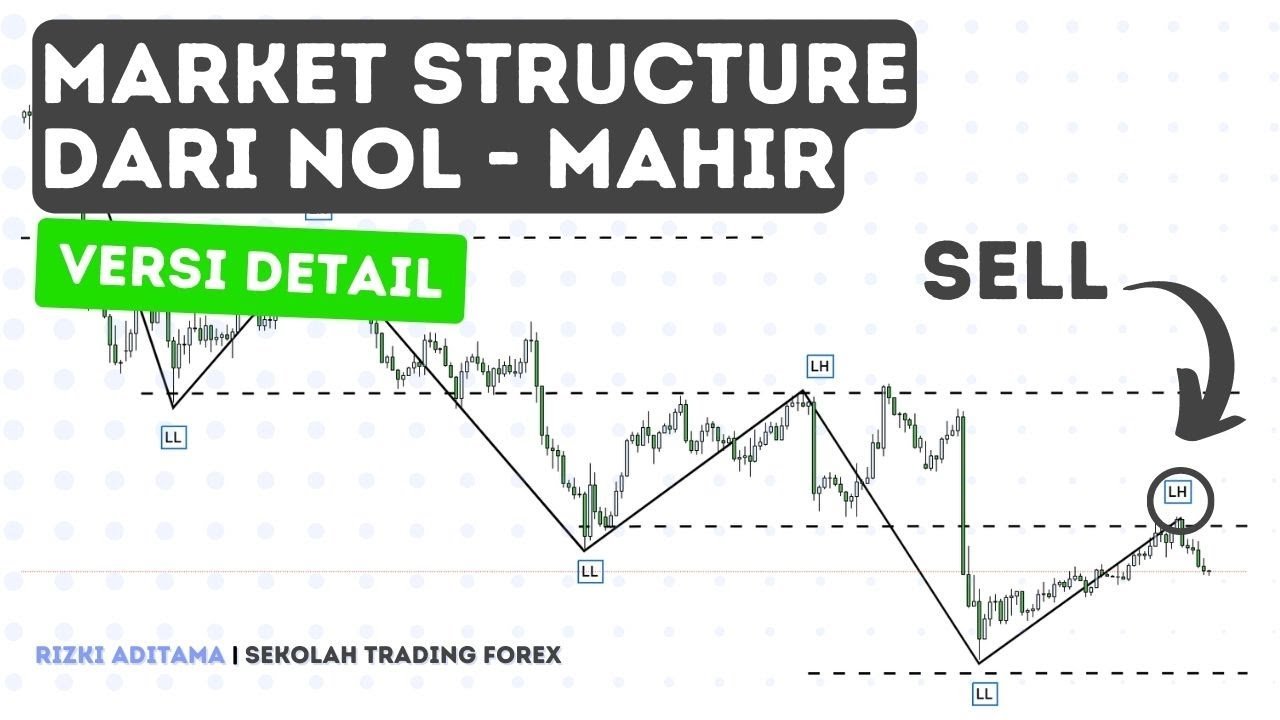




5.0 / 5 (0 votes)

