LITOSFER : PENGARUH VULKANISME TERHADAP KEHIDUPAN
Summary
TLDRThe video explores the fascinating world of volcanism and its impact on Earth. It explains how volcanic eruptions, driven by the movement of magma from beneath the Earth's surface, shape the landscape, create fertile land, and even form new islands. While eruptions bring both beauty and benefits, they also pose significant risks. The video discusses the processes of magma intrusion and extrusion, and how volcanic materials like lava, ash, and gases can affect both the environment and human life. Ultimately, the video highlights the dual nature of volcanoes—both as sources of danger and as vital contributors to the planet's ecosystem.
Takeaways
- 😀 Vulkanism is the process through which magma from the Earth's interior erupts to the surface, leading to volcanic activity.
- 🌍 Volcanic eruptions are driven by the movement of magma from the mantle towards the Earth's crust, causing pressure to build up before being released.
- 🌋 Volcanism is a powerful force that shapes the Earth's surface, creating new landforms and impacting human life.
- 🌱 Volcanic eruptions can create fertile soil, ideal for agriculture, and new landmasses, such as islands.
- ⚠️ Despite its benefits, volcanic activity can also lead to catastrophic natural disasters that can alter human lives drastically.
- 🪨 Magma doesn't always reach the surface. Sometimes, it cools and solidifies underground, forming different types of rock formations known as intrusions.
- 🗻 Intrusions include features like craters, laccoliths (domed formations), dikes (vertical or angled rock layers), sills (horizontal rock layers), and batholiths (large underground rock bodies).
- 🔥 Extrusions occur when magma reaches the Earth's surface, cooling and solidifying into new geological formations like lava flows and volcanoes.
- 🌪️ Volcanic eruptions release three types of materials: solid particles (e.g., volcanic ash), liquid lava, and gases (e.g., sulfur compounds, steam, and carbon monoxide).
- 💨 Volcanic gases, like sulfur and carbon monoxide, can significantly impact the environment and human health during eruptions.
- 🌍 Understanding vulcanism helps us prepare for volcanic hazards while allowing us to make the most of its positive aspects, such as fertile land and geothermal energy.
Q & A
What is vulcanism?
-Vulcanism is the process of magma escaping from the Earth's interior and reaching the surface, usually through a volcanic eruption. This process is a part of endogenic forces that shape the Earth's surface.
How does volcanic activity affect the Earth's landscape?
-Volcanic eruptions can significantly alter the landscape, creating new landforms like islands, fertile land for agriculture, and even entire new continents. However, eruptions can also lead to disastrous events such as lava flows and ash clouds.
What are the main types of magma movements inside the Earth?
-There are two main types of magma movements: 'intrusion' and 'extrusion'. Intrusion refers to magma that moves beneath the Earth's surface and cools to form new rock formations. Extrusion refers to magma that reaches the surface during an eruption, forming volcanic features like lava flows and ash deposits.
What is an intrusion in geological terms?
-An intrusion occurs when magma moves into cracks or spaces within older rock layers beneath the Earth's surface. The magma cools and solidifies to form new types of igneous rocks, such as laccoliths, dykes, and batholiths.
What is the difference between laccoliths, dykes, and batholiths?
-Laccoliths are dome-shaped intrusions formed by magma pushing upward between layers of rock. Dykes are vertical or slanted rock formations formed when magma cuts through existing rock layers. Batholiths are massive, deep intrusions of magma that cool slowly over time, creating large, solid rock formations.
What materials are typically released during a volcanic eruption?
-Volcanic eruptions release three main types of materials: solid materials (e.g., volcanic ash, pumice), liquid materials (e.g., lava flows, lahars), and gases (e.g., sulfur dioxide, carbon dioxide, and water vapor).
What is the significance of volcanic ash in the eruption process?
-Volcanic ash is a solid material that is ejected during an eruption. It can pose significant risks to both the environment and human health, affecting air travel, agriculture, and the climate.
What role do volcanic gases play during an eruption?
-Volcanic gases, such as sulfur dioxide, water vapor, and carbon dioxide, are released during an eruption and can cause environmental problems, including acid rain, air pollution, and climate change.
What is the relationship between vulcanism and fertile land?
-Volcanic eruptions often lead to the formation of rich, fertile soil. The ash and lava that cover the land break down into minerals, enriching the soil and making it suitable for agriculture.
How does understanding vulcanism help humans prepare for volcanic threats?
-By studying vulcanism, humans can better understand the processes of magma movement and eruption. This knowledge helps in predicting eruptions, preparing for potential disasters, and mitigating the impact on human populations and the environment.
Outlines

このセクションは有料ユーザー限定です。 アクセスするには、アップグレードをお願いします。
今すぐアップグレードMindmap

このセクションは有料ユーザー限定です。 アクセスするには、アップグレードをお願いします。
今すぐアップグレードKeywords

このセクションは有料ユーザー限定です。 アクセスするには、アップグレードをお願いします。
今すぐアップグレードHighlights

このセクションは有料ユーザー限定です。 アクセスするには、アップグレードをお願いします。
今すぐアップグレードTranscripts

このセクションは有料ユーザー限定です。 アクセスするには、アップグレードをお願いします。
今すぐアップグレード関連動画をさらに表示
Tektonisme dan Pengaruhnya terhadap Kehidupan #litosfer #geography #tektonic #erlanggaofficial
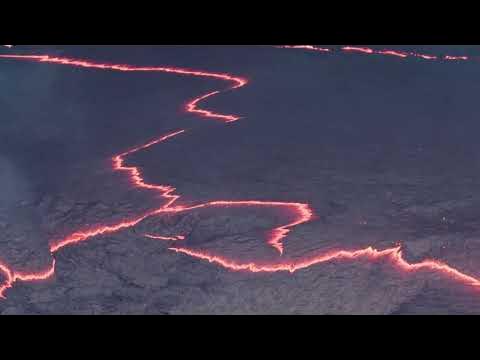
Tipe Gunung Api Berdasarkan Bentuknya

Geologic Time

Tenaga Endogen: Vulkanisme🌋| Geografi | Alternatifa

Kauai Most Beautiful Garden Island in the World Northwestern Hawaiian

SOAL LATIHAN BAB 6 STRUKTUR BUMI DAN PERKEMBANGANNYA - IPA Kelas 8 Kurikulum Merdeka
5.0 / 5 (0 votes)

