Tenaga Endogen: Vulkanisme🌋| Geografi | Alternatifa
Summary
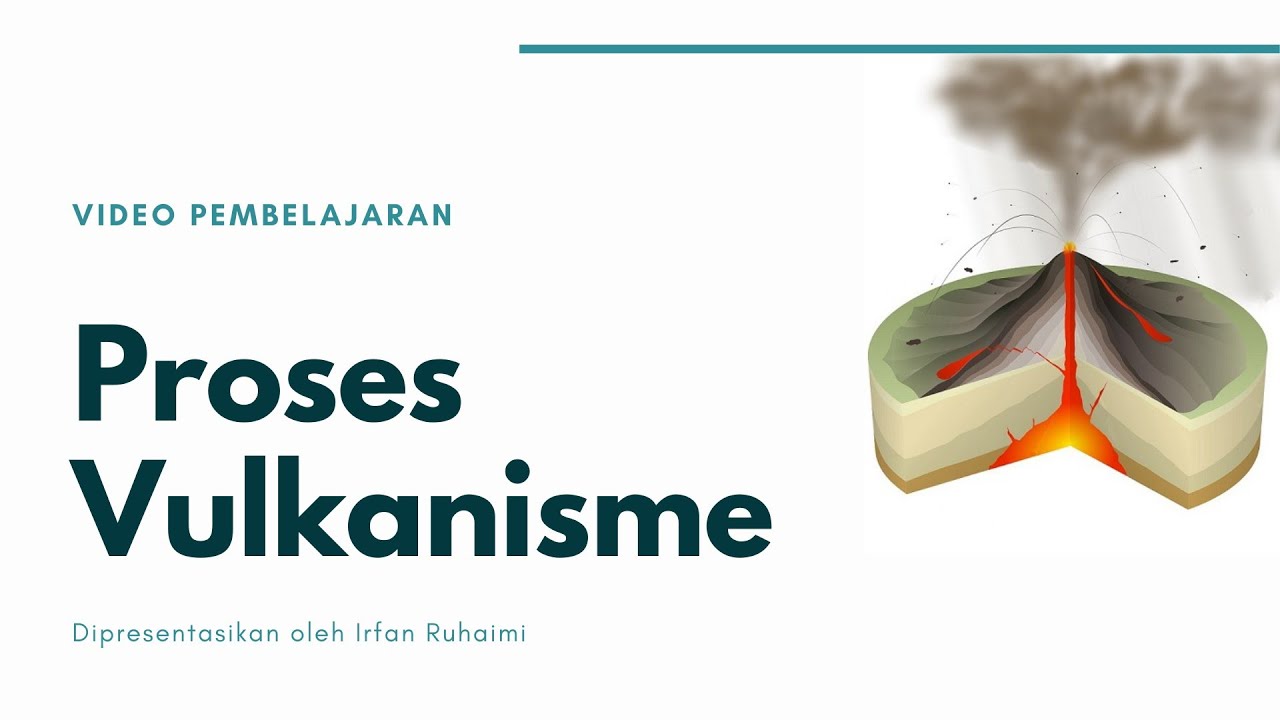
TLDRIn this video, the host dives deep into the fascinating topic of volcanism, explaining the movement of magma within the Earth's crust and its eruption. The video covers key concepts such as magma intrusion, volcanic eruptions, and the formation of various volcanic features like shield, cone, and maar volcanoes. It also explores the different materials ejected by volcanoes, including solid, liquid, and gas forms. Additionally, the video touches on post-volcanic phenomena such as geysers and hot springs, providing viewers with a comprehensive understanding of volcanic processes.
Takeaways
- 😀 Vulkanism refers to the movement of magma that either pushes up to the Earth's surface or remains below it, forming volcanoes.
- 🌋 Magma must reach the Earth's surface to be classified as vulkanism—without surface exposure, it isn't considered vulkanism.
- 🗻 Intrusive magma processes occur when magma moves upward but doesn't reach the surface, leading to the formation of geological structures like batholiths and laccoliths.
- 🏔️ Batholiths are solidified magma that cools and hardens deep underground without reaching the surface.
- 🌄 Laccoliths form when magma pushes between layers of the Earth's crust, creating a dome-shaped feature.
- 🔄 Diatremas are volcanic pipes filled with intrusive rock, formed when magma doesn't reach the surface but fills the conduit.
- ⛏️ Dykes and sills are thin, vertical or horizontal intrusions of magma that solidify underground, often forming in fractures.
- 🔥 Eruptions can be linear (through cracks), areal (surface-level), or central (through a specific vent), each with distinct volcanic features.
- 🌍 Central eruptions lead to the formation of three major types of volcanoes: shield volcanoes, stratovolcanoes, and maars.
- 💨 Volcanoes emit solid (e.g., bombs, lapilli), liquid (e.g., lava), and gas (e.g., sulfur dioxide, CO2) materials during eruptions.
- 🌡️ Post-volcanic activity includes phenomena like geysers, hot springs, and mineral-rich waters, which have therapeutic uses.
Q & A
What is Vulkanism?
-Vulkanism refers to the movement of magma either pushing up to the Earth's surface or moving through the Earth's layers without reaching the surface, often resulting in the formation of volcanoes.
What is magma intrusion?
-Magma intrusion is when magma pushes upward through the Earth's layers but does not reach the surface. It remains within the mountain and cools, forming various geological features.
What are the types of magma intrusions mentioned?
-The types of magma intrusions discussed in the video are: batolith, laccolith, diatreme, gang, and apophysis.
What is a batolith?
-A batolith is a type of igneous rock that forms when magma solidifies deep inside the Earth's crust without reaching the surface.
What is a laccolith?
-A laccolith is a type of magma intrusion where magma moves between the Earth's crust layers and forms a dome-like shape. It is characterized by a convex shape.
What is a diatreme?
-A diatreme is a volcanic feature that forms when magma fills the pipe of a volcanic eruption but does not reach the surface, solidifying within the pipe.
What are the types of volcanic eruptions?
-The video describes three types of volcanic eruptions: linear eruptions, areal eruptions, and central eruptions.
What distinguishes a central eruption?
-A central eruption occurs when magma exits through a single opening, forming a typical volcano with a specific location, such as a shield volcano, cone volcano, or maar volcano.
What are the three types of volcanoes based on eruption type?
-The three types of volcanoes based on eruption type are shield volcanoes (effusive eruptions), stratovolcanoes (composite volcanoes), and maar volcanoes (explosive eruptions).
What materials are ejected during volcanic eruptions?
-Volcanic eruptions expel solid, liquid, and gas materials. Solids include volcanic bombs and lapilli, liquids are lava and mudflows, and gases include sulfur dioxide and steam.
What is a geyser?
-A geyser is a hot spring that periodically erupts, releasing steam and hot water into the air, usually at set intervals, such as every 10 or 20 minutes.
What is post-volcanic activity?
-Post-volcanic activity refers to phenomena that occur after a volcanic eruption, such as the release of gases, the formation of hot springs (makdani), or the emergence of geysers.
Outlines

This section is available to paid users only. Please upgrade to access this part.
Upgrade NowMindmap

This section is available to paid users only. Please upgrade to access this part.
Upgrade NowKeywords

This section is available to paid users only. Please upgrade to access this part.
Upgrade NowHighlights

This section is available to paid users only. Please upgrade to access this part.
Upgrade NowTranscripts

This section is available to paid users only. Please upgrade to access this part.
Upgrade NowBrowse More Related Video



5.0 / 5 (0 votes)
