Purgatorio (Canto 16) Riassunto - Dante Alighieri: Divina Commedia
Summary
TLDRIn this video, Patrick Sharif, a university professor of Italian literature, provides a detailed summary and literal interpretation of the sixteenth canto of Dante's Purgatorio. The canto depicts Dante and Virgil navigating through a dense, irritating smoke, hearing harmonized voices of souls seeking divine mercy. Dante converses with Marco Lombardo, a worldly wise soul, about the origins of human corruption, emphasizing free will over astrological influence and the need for just governance. Marco criticizes the moral decay of both the Church and society, highlighting the historical misalignment of spiritual and temporal powers. The discussion ends as Marco departs, leaving Dante with newfound understanding of human virtue and vice.
Takeaways
- 🌫️ Dante and Virgil enter a dense, dark, and irritating smoke in the third terrace of Purgatory, symbolizing the sin of wrath.
- 👣 Unable to see, Dante follows Virgil closely like a blind person relying on a guide, emphasizing trust and dependence.
- 🙏 Voices within the smoke chant prayers to the Lamb of God in perfect harmony, representing souls seeking peace and mercy.
- 👻 Virgil confirms that these voices belong to souls expiating the sin of anger in that terrace.
- 🗣️ Dante speaks with a soul named Marco Lombardo, who was known in life for his wisdom and courtesy.
- 🧭 Marco confirms that Dante is on the correct path and asks Dante to pray for him once he reaches Paradise.
- ❓ Dante questions the cause of widespread human corruption, wondering whether it comes from the stars or human actions.
- 🧠 Marco Lombardo argues strongly for free will, stating that although the heavens influence humans, they do not determine their actions.
- ⚖️ Humans possess reason and free will, allowing them to distinguish between good and evil and be morally responsible.
- 👶 The human soul is naturally inclined toward pleasure like a naive child and needs proper guidance to avoid moral failure.
- 📜 Laws and leadership are necessary to guide humanity, but corruption arises when leaders fail to enforce justice.
- ⛪ The Church is criticized for seeking material wealth and mixing spiritual and temporal power, leading society astray.
- 🌞 Marco uses the metaphor of ‘two suns’ (the Pope and the Emperor) to describe the proper separation of spiritual and political authority.
- ⚔️ The merging of Church and state power has caused moral and political disorder in the world.
- 🏰 Lombardy, once a place of virtue and courtesy, is now corrupted, though a few honorable figures still remain.
- 🚶 Marco ends the conversation as he cannot proceed further, leaving Dante as the light begins to appear beyond the smoke.
Q & A
What is the significance of the dense smoke Dante encounters in the Purgatorio?
-The dense smoke in the Purgatorio symbolizes spiritual confusion and the difficulty in perceiving divine truths. It is described as darker than Hell and more irritating than any earthly mists, forcing Dante to rely on Virgil for guidance.
Who is Marco Lombardo and what role does he play in this part of the Purgatorio?
-Marco Lombardo is an enlightened soul in Purgatory who speaks to Dante about the corruption of the world. He discusses the loss of virtue in humanity and emphasizes the importance of free will and human choice, rather than attributing moral failings to external influences like celestial bodies.
What does Marco Lombardo say about the cause of moral decay in the world?
-Marco Lombardo argues that the cause of moral decay is not due to astrological influences but rather the failure of human beings to use their free will wisely. He suggests that people are guided by material desires and bad leadership, particularly within the church, leading them astray.
What is the relationship between the Pope and the Emperor in Marco Lombardo’s description?
-Marco Lombardo refers to a historical period when the Pope and the Emperor had separate powers—spiritual and temporal. However, as their roles began to overlap and conflict, it led to a loss of balance, with disastrous consequences for both governance and society.
Why does Dante question the cause of human malice in the world?
-Dante questions whether the cause of human malice lies in astrological influences or in the actions of men themselves. This question is prompted by the recognition that the world has become filled with evil, and he seeks to understand whether this moral decay can be attributed to external forces or human choices.
What does Marco Lombardo say about the state of the Lombardy region?
-Marco Lombardo laments the corruption in Lombardy, once a region known for its honor and virtue. He criticizes the moral decline, where even the most wicked can thrive without encountering resistance from righteous people.
What does Marco Lombardo suggest is the solution to the moral decay?
-Marco Lombardo suggests that the solution to the moral decay lies in strong, virtuous leadership. Laws need to be respected, and the people need a leader who will enforce these laws and guide them away from materialism and corruption, particularly the Church’s involvement in worldly matters.
How does Dante respond to Marco Lombardo’s discussion of the world's corruption?
-Dante agrees with Marco Lombardo’s views and expresses understanding about the causes of the world's corruption. He reflects on the exclusion of the 'children of Lady' from inheritance, which symbolizes the societal breakdown he is witnessing.
What is the significance of the three old men Marco Lombardo mentions?
-The three old men—Corrado da Palazzo, Gherardo, and Guido da Castello—represent the last remnants of virtue and honor in the world. They serve as a reminder of the past values that have been lost in modern times, standing as figures of righteousness in a corrupted society.
Why is Marco Lombardo unable to continue with Dante beyond a certain point?
-Marco Lombardo is unable to proceed further with Dante because they are approaching the boundary of the next stage of Purgatory, where an angel is present. As Marco is not yet ready for this transition, he must turn back, leaving Dante to continue alone.
Outlines

このセクションは有料ユーザー限定です。 アクセスするには、アップグレードをお願いします。
今すぐアップグレードMindmap

このセクションは有料ユーザー限定です。 アクセスするには、アップグレードをお願いします。
今すぐアップグレードKeywords

このセクションは有料ユーザー限定です。 アクセスするには、アップグレードをお願いします。
今すぐアップグレードHighlights

このセクションは有料ユーザー限定です。 アクセスするには、アップグレードをお願いします。
今すぐアップグレードTranscripts

このセクションは有料ユーザー限定です。 アクセスするには、アップグレードをお願いします。
今すぐアップグレード関連動画をさらに表示

Purgatorio (Canto 6) Riassunto - Dante Alighieri: Divina Commedia

(Canto 34) Inferno: Riassunto | Dante Alighieri: Divina Commedia

(Canto 10) Inferno: Spiegazione e Analisi | Dante Alighieri: Divina Commedia

(Canto 5) Inferno: Spiegazione e Analisi | Dante Alighieri: Divina Commedia
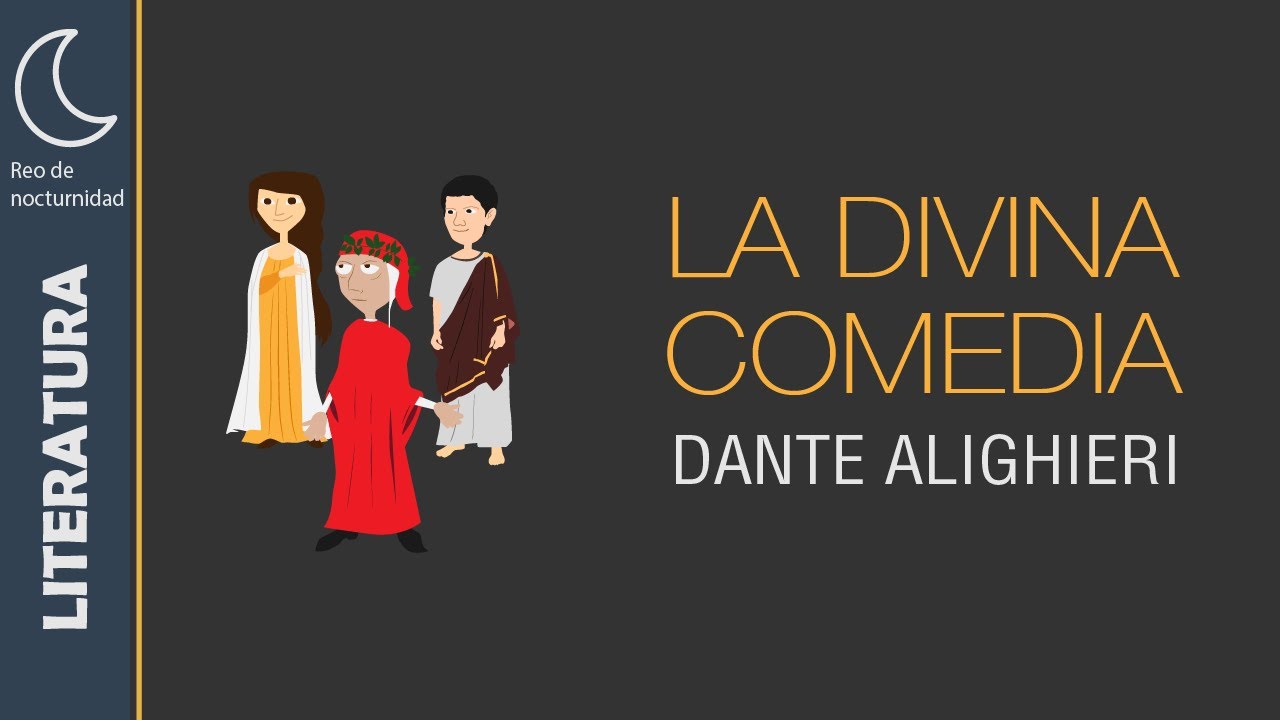
La Divina Comedia de Dante Alighieri

(Canto 6) Inferno: Spiegazione e Analisi | Dante Alighieri: Divina Commedia
5.0 / 5 (0 votes)

