Airway Management - Kuliah ACLS Perki Terbaru
Summary
TLDRThis video script focuses on the critical management of respiratory distress and oxygen therapy in emergency situations, particularly for patients with cardiovascular emergencies. It emphasizes optimizing oxygen delivery, managing airways, and administering fluids to improve circulation. The script also explores different oxygen delivery devices, such as nasal cannulas and face masks, as well as advanced techniques like intubation and ventilation. Key points include assessing oxygen saturation with pulse oximetry, ensuring proper airway management, and using ACLS protocols to prevent hypoxia and ensure patient survival during cardiac arrest. Overall, it provides an in-depth guide to handling life-threatening respiratory conditions.
Takeaways
- 😀 Oxygen delivery optimization is key to managing critical patients with imbalances in oxygen demand and supply.
- 😀 In cardiovascular emergencies, increasing oxygen delivery is crucial to prevent tissue hypoxia, which can lead to organ failure.
- 😀 Oxygen content can be improved by managing factors like hemoglobin saturation, arterial oxygen pressure (PaO2), and oxygen dissolved in plasma.
- 😀 Oxygen therapy should be tailored based on the patient's condition and oxygenation levels, using tools like pulse oximetry to guide decisions.
- 😀 Low stroke volume may require fluid resuscitation, while high stroke volume may indicate cardiac issues needing specific treatment strategies.
- 😀 Monitoring oxygen saturation (SaO2) with pulse oximetry is essential to assess and adjust oxygen therapy accurately.
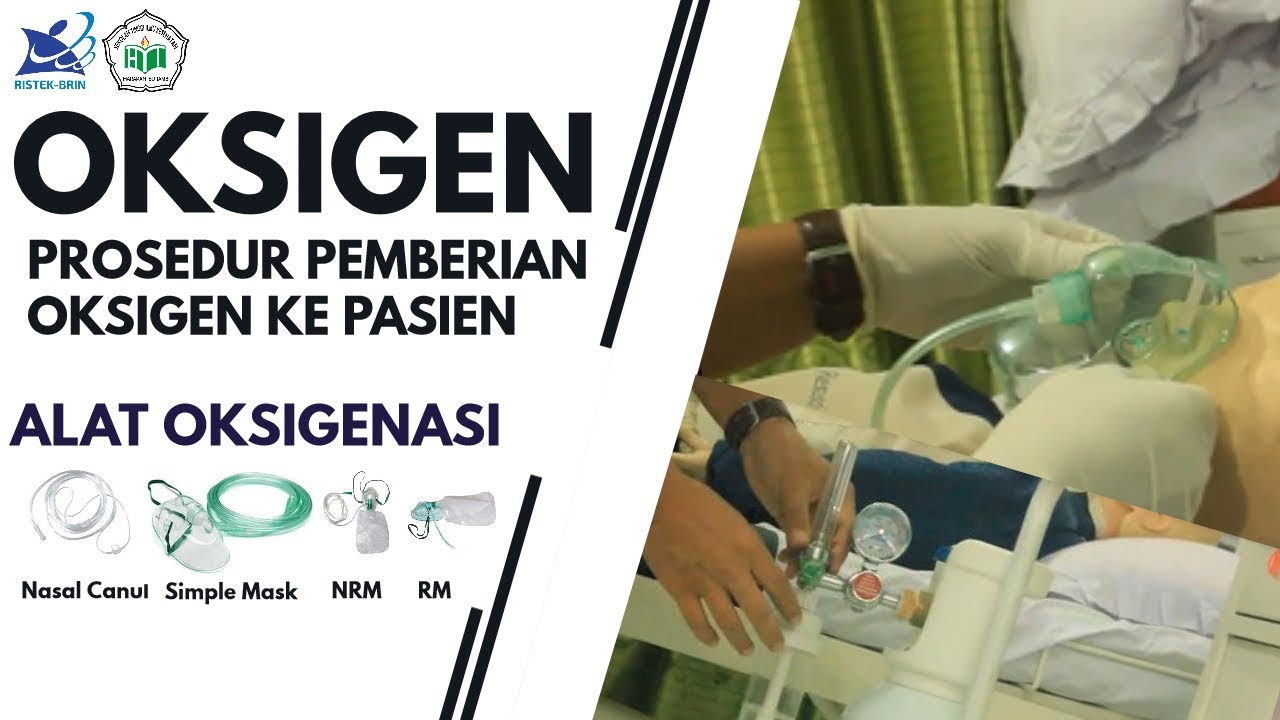
- 😀 Simple oxygen delivery methods include nasal cannulas and face masks, while more advanced methods like Venturi masks provide controlled oxygen levels.
- 😀 For severe hypoxia (PaO2 < 85%), positive pressure ventilation with 100% oxygen is necessary to prevent organ failure.
- 😀 Effective airway management includes techniques like head-tilt/chin-lift for basic airway opening and advanced methods like endotracheal intubation for long-term airway management.
- 😀 Proper sizing and use of airway management devices like Laryngeal Mask Airways (LMA) are crucial to avoid complications like airway obstruction or trauma.
- 😀 Post-cardiac arrest care includes oxygenation and ventilation support, focusing on maintaining optimal oxygen levels in tissues to prevent irreversible damage.
Q & A
What is the main goal of respiratory support therapy discussed in the video?
-The main goal is to optimize tissue oxygenation by balancing oxygen delivery with the oxygen needs of the patient, preventing hypoxia, and ensuring sufficient oxygen reaches vital organs.
Which components influence oxygen delivery in a patient?
-Oxygen delivery is influenced by hemoglobin levels, arterial oxygen saturation (SaO2), arterial oxygen pressure (PaO2), dissolved oxygen in plasma, stroke volume, and heart rate.
How should oxygen therapy be administered for a patient with SpO2 below 85%?
-For SpO2 below 85%, which is considered life-threatening hypoxia, positive pressure ventilation with 100% oxygen should be provided, for example using a bag-valve mask with reservoir at 15 liters per minute.
What is the recommended oxygen flow rate for a nasal cannula, and how does it affect FiO2?
-A nasal cannula should be set at 1–5 liters per minute, increasing FiO2 by approximately 4% per liter added to the room air oxygen level of 20%.
What is the difference between a simple face mask and a non-rebreathing mask?
-A simple face mask delivers moderate oxygen concentrations (6–15 L/min) while a non-rebreathing mask can deliver higher oxygen concentrations with a reservoir, suitable for severe hypoxia.
When should an oropharyngeal airway (OPA) be used versus a nasopharyngeal airway (NPA)?
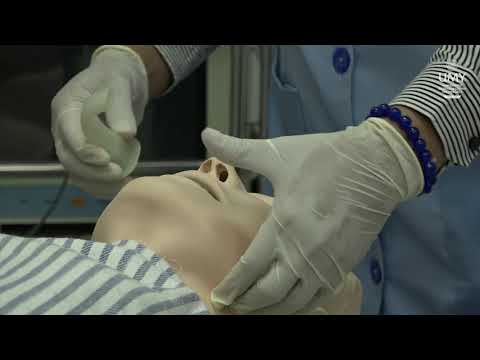
-An OPA is used for unconscious patients without gag reflex, while an NPA can be used if the patient still has a gag reflex or cannot open the mouth due to conditions like trismus.
What is the purpose of pre-oxygenation before endotracheal intubation?
-Pre-oxygenation increases oxygen reserves in the patient’s lungs, reducing the risk of hypoxia during the period of apnea while performing laryngoscopy and intubation.
How should ventilation be delivered during cardiopulmonary resuscitation (CPR)?
-Ventilation should be delivered at 10 breaths per minute, with each breath lasting one second and chest rise visible. Hyperventilation should be avoided, and breaths do not need to be synchronized with compressions.
Why is suctioning of the airway limited to a maximum of 10 seconds?
-Suctioning is limited to 10 seconds to prevent hypoxia and cardiac arrhythmias that may occur from excessive suctioning, especially in patients already compromised.
What monitoring tools are recommended for confirming the placement of an endotracheal tube (ETT)?
-ETT placement should be confirmed by auscultation at five points (apex right/left, base right/left, and epigastrium) and by capnography, which monitors CO2 levels and confirms tracheal placement.
How does stroke volume affect oxygen delivery, and what interventions are suggested for low stroke volume?
-Low stroke volume reduces oxygen delivery to tissues. Resuscitation with fluids is recommended to optimize stroke volume, guided by acute care algorithms and patient monitoring.
What precautions should be taken when using a laryngeal mask airway (LMA)?
-The LMA size should match the patient’s weight, and proper insertion technique should be followed to avoid obstruction or improper placement. The cuff must be inflated to create a seal and fixed in place.
Outlines

このセクションは有料ユーザー限定です。 アクセスするには、アップグレードをお願いします。
今すぐアップグレードMindmap

このセクションは有料ユーザー限定です。 アクセスするには、アップグレードをお願いします。
今すぐアップグレードKeywords

このセクションは有料ユーザー限定です。 アクセスするには、アップグレードをお願いします。
今すぐアップグレードHighlights

このセクションは有料ユーザー限定です。 アクセスするには、アップグレードをお願いします。
今すぐアップグレードTranscripts

このセクションは有料ユーザー限定です。 アクセスするには、アップグレードをお願いします。
今すぐアップグレード



5.0 / 5 (0 votes)

