Mendirikan Perusahaan UMKM
Summary
TLDRThis video provides a comprehensive guide to establishing a small, medium, or micro-sized business (UMKM) in Indonesia. It explains the legal structures available for entrepreneurs, including sole proprietorships, partnerships, limited partnerships (CV), and limited liability companies (PT). The video outlines key responsibilities, including the extent of liability for business owners and the process for registering each business type. It also details the financial thresholds that define each category of UMKM, aiming to help aspiring entrepreneurs choose the best structure for their business while staying legally compliant.
Takeaways
- 😀 UMKM (Micro, Small, and Medium Enterprises) in Indonesia are categorized based on net assets or annual sales value, with specific thresholds for each category.
- 😀 Micro businesses have net assets of up to Rp50 million (excluding land and buildings) or annual sales up to Rp300 million.
- 😀 Small businesses have net assets between Rp50 million and Rp500 million or annual sales between Rp300 million and Rp2.5 billion.
- 😀 Medium businesses have net assets between Rp500 million and Rp10 billion or annual sales between Rp2.5 billion and Rp50 billion.
- 😀 UMKM businesses can be run by individuals or legal entities, either with or without legal status.
- 😀 Sole proprietorships are the simplest form of business, owned by a single individual responsible for both profits and liabilities, including personal assets.
- 😀 A partnership (persekutuan perdata) involves two or more people contributing to a business with shared profits and liabilities, which can include personal assets.
- 😀 A firm (firma) is a special type of partnership where the business operates under a shared name, and the partners are jointly responsible for debts.
- 😀 A Commanditaire Vennootschap (CV) is a limited partnership with active and passive partners, where passive partners' liability is limited to their investment.
- 😀 A Limited Liability Company (PT) is a legal entity where the liability of shareholders is limited to their investment, and the company operates as a separate entity from its owners.
- 😀 Establishing a PT requires formal registration, notarial deeds, and compliance with regulations such as operational and labor permits, depending on the business field.
Q & A
What is the meaning of UMKM?
-UMKM stands for 'Usaha Mikro, Kecil, Menengah,' which translates to Micro, Small, and Medium Enterprises in English. It refers to businesses categorized based on their net worth or annual sales.
How are UMKM businesses categorized?
-UMKM businesses are categorized into three types: Micro, Small, and Medium. Micro businesses have a net worth of up to IDR 50 million and annual sales up to IDR 300 million. Small businesses range from IDR 50 million to IDR 500 million in net worth or IDR 300 million to IDR 2.5 billion in sales. Medium businesses range from IDR 500 million to IDR 10 billion in net worth or IDR 2.5 billion to IDR 50 billion in sales.
What is the simplest form of business for an individual in Indonesia?
-The simplest form of business for an individual in Indonesia is a Sole Proprietorship (Perusahaan Perseorangan). It is owned and managed by one person and does not require special permits or a formal establishment process.
What are the main responsibilities of an owner in a Sole Proprietorship?
-In a Sole Proprietorship, the business owner is fully responsible for both the profits and losses of the business. This includes personal liability, meaning the owner’s personal assets are at risk to cover business debts.
What is a Partnership (Persekutuan Perdata) in business?
-A Partnership (Persekutuan Perdata) is an agreement between two or more people who combine resources for business purposes. The profits and losses are shared based on the contribution of each partner, whether in money, goods, or labor.
How does liability work in a Partnership?
-In a Partnership, liability is not limited to the capital invested. Each partner is personally liable for the business’s debts, including their personal assets. This means that if the business faces financial difficulties, the partners' personal wealth may be at risk.
What distinguishes a Firm (Firma) from a regular Partnership?
-A Firm (Firma) is a more specialized type of Partnership. It is formed to operate under a common name, and all partners share responsibility for the debts of the business equally. A Firm requires a notarial deed for its establishment and must be registered.
What is the key difference between an active partner and a passive partner in a CV (Commanditaire Vennootschap)?
-In a CV, an active partner is responsible for managing the business and bears unlimited liability, while a passive partner (also called a sleeping partner) only contributes capital and has limited liability, which is restricted to their investment.
What is a Limited Liability Company (PT) and how is it different from other business structures?
-A Limited Liability Company (PT) is a separate legal entity where the liability of its owners (shareholders) is limited to the amount they invest. Unlike other structures like Sole Proprietorships or Partnerships, a PT has a distinct separation between the business's assets and the personal assets of its owners.
What are the formal requirements to establish a PT in Indonesia?
-To establish a PT, you need to create an official notarial deed of incorporation, register it with the Ministry of Law and Human Rights, and follow specific requirements regarding business permits, operational licenses, and other sector-specific legal requirements.
Why is it important to choose the right type of business entity for your company?
-Choosing the right business entity is crucial because it affects the structure of the business, liability, taxation, and the complexity of legal requirements. The entity type influences how responsibilities are shared, how capital is raised, and how much personal liability the owners will face.
What are the responsibilities of the owners in a PT compared to other business entities?
-In a PT, the owners' liability is limited to their capital contribution, unlike other business structures such as Sole Proprietorships or Partnerships, where owners are personally liable for business debts. This separation of assets offers more protection for the personal wealth of shareholders.
Outlines

このセクションは有料ユーザー限定です。 アクセスするには、アップグレードをお願いします。
今すぐアップグレードMindmap

このセクションは有料ユーザー限定です。 アクセスするには、アップグレードをお願いします。
今すぐアップグレードKeywords

このセクションは有料ユーザー限定です。 アクセスするには、アップグレードをお願いします。
今すぐアップグレードHighlights

このセクションは有料ユーザー限定です。 アクセスするには、アップグレードをお願いします。
今すぐアップグレードTranscripts

このセクションは有料ユーザー限定です。 アクセスするには、アップグレードをお願いします。
今すぐアップグレード関連動画をさらに表示

BANYAK YANG SALAH! Begini Aturan BPJS KESEHATAN untuk PT Perorangan 🔍
Inilah Masalah UMKM Selama Ini #3
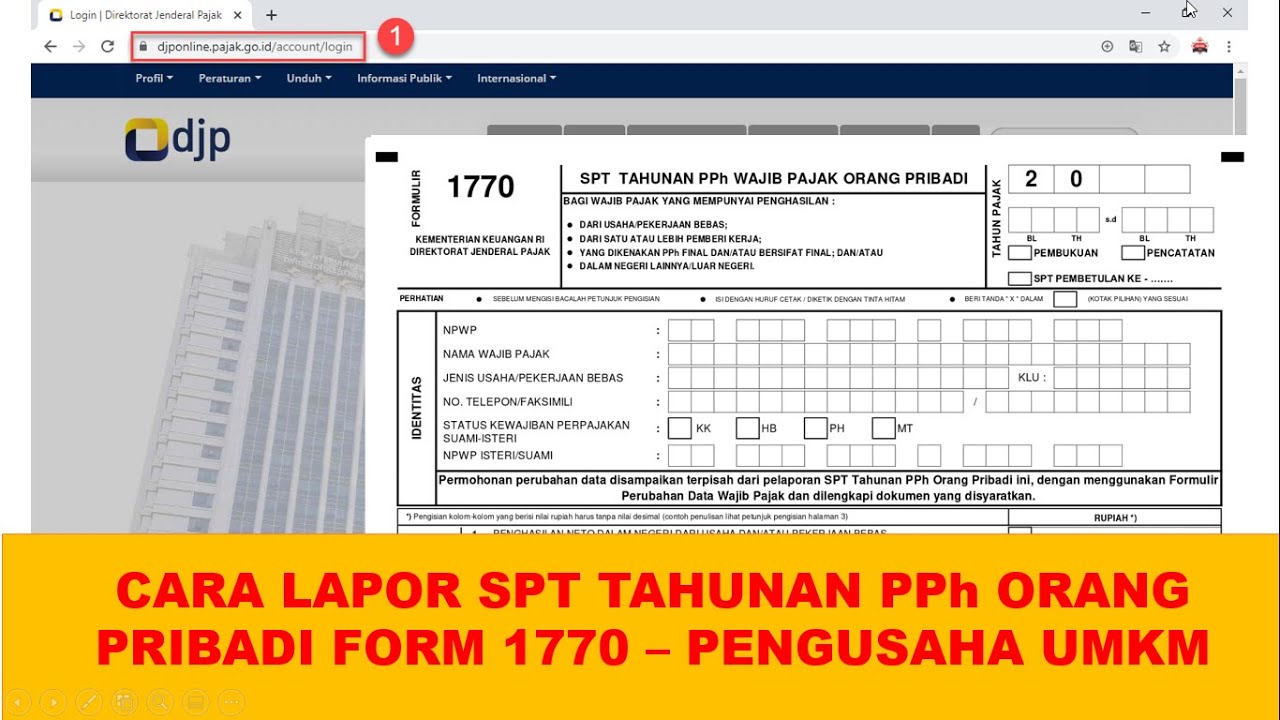
Cara lapor SPT Tahunan PPh Orang Pribadi pengusaha umkm menggunakan eform 1770

Lembaga Keuangan Mikro-IKNB | Ekonomi Kelas X (Kurikulum Sekolah Penggerak) | EDURAYA MENGAJAR

Pendahuluan Kreativitas dan Inovasi

PPH FINAL UMKM 0 5% BERAKHIR 2024? BEGINI TAX PLANNING DI 2025
5.0 / 5 (0 votes)

