MENGGAMBAR DIAGRAM BAG 1
Summary
TLDRThis video tutorial explains how to draw both single-line and double-line electrical diagrams for a lighting installation, using a simple and practical approach. The instructor, Imam Suci SPD, walks through the step-by-step process of designing these diagrams, emphasizing component layout, proper use of symbols, and correct wiring connections. The session covers both theoretical concepts and practical demonstrations, making it easier for students to understand the differences between the two types of diagrams. The lesson aims to help students grasp the essentials of electrical installation diagrams for practical application.
Takeaways
- 😀 The lesson is about creating single-line and double-line diagrams for electrical installations.
- 😀 The presenter, Imam Suci, explains the process of diagramming electrical circuits in detail.
- 😀 Single-line diagrams are simplified representations where only one line is drawn to connect components.
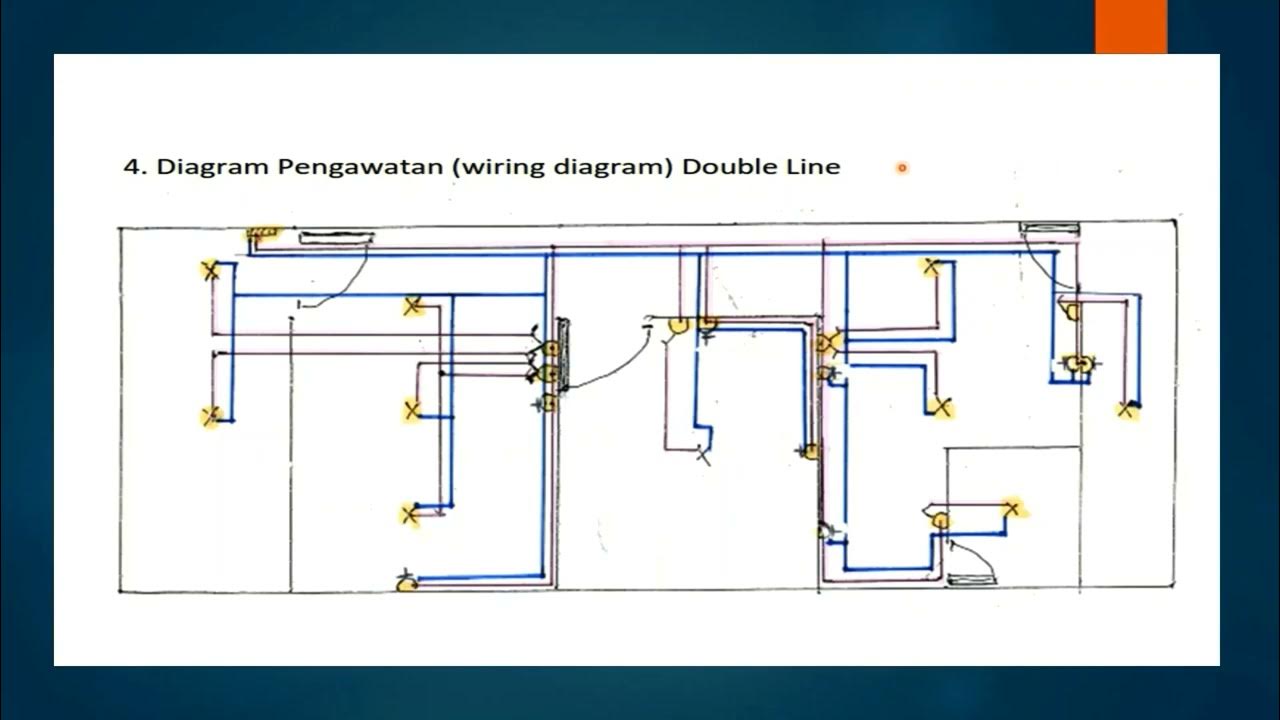
- 😀 Double-line diagrams show real-life connections with double lines representing the number of wires used in the installation.
- 😀 Key steps to draw these diagrams include determining component layout, drawing component symbols, and connecting components with lines.
- 😀 For both diagram types, components are depicted with standardized symbols.
- 😀 It's important to draw only horizontal and vertical lines in the diagrams for clarity.
- 😀 In single-line diagrams, the number and type of wires are indicated with slanted lines across the connecting lines.
- 😀 In double-line diagrams, the connections between components are shown with actual wire numbers and types, with terminals drawn accordingly.
- 😀 The presenter provides a live demonstration of both types of diagrams, emphasizing the simplicity and precision needed.
- 😀 The lesson concludes with a reminder to follow these guidelines for accuracy and clear understanding in creating electrical diagrams.
Q & A
What is the main topic of the lesson?
-The lesson is focused on drawing electrical installation diagrams, specifically single-line and double-line diagrams.
What are the key components involved in creating a single-line diagram?
-The key components include the power source, switch, lamp, and the connecting wires between these components.
How should the layout of the components be determined?
-The first step in drawing the diagram is to decide the layout of the components, ensuring they are placed logically and clearly.
What is the significance of using vertical and horizontal lines in the diagrams?
-Vertical and horizontal lines are used to represent the wiring connections between components, ensuring clarity and simplicity in the diagram.
What does the slanted line on the diagram represent?
-The slanted line on the diagram indicates the type and number of conductors in the electrical circuit.
What differentiates a single-line diagram from a double-line diagram?
-A single-line diagram shows the electrical connections with a single line, while a double-line diagram uses two lines to accurately represent the actual number of conductors used in the system.
How are the components symbolized in these diagrams?
-Each component is represented by its standard electrical symbol, such as the power source, switch, and lamp, to ensure the diagram is universally understood.
What is the purpose of drawing the double-line diagram?
-The double-line diagram is meant to represent the actual number and type of conductors used in a real-world electrical installation.
Why is it important to mark each conductor with a slanted line?
-Marking each conductor with a slanted line helps to visually indicate the quantity and type of wire, which is crucial for understanding the electrical connections.
What color coding is used in the double-line diagram for differentiating conductors?
-In the double-line diagram, red is used to distinguish the live (phase) wire, while the neutral wire is shown in a different manner to differentiate the two types of wires.
Outlines

このセクションは有料ユーザー限定です。 アクセスするには、アップグレードをお願いします。
今すぐアップグレードMindmap

このセクションは有料ユーザー限定です。 アクセスするには、アップグレードをお願いします。
今すぐアップグレードKeywords

このセクションは有料ユーザー限定です。 アクセスするには、アップグレードをお願いします。
今すぐアップグレードHighlights

このセクションは有料ユーザー限定です。 アクセスするには、アップグレードをお願いします。
今すぐアップグレードTranscripts

このセクションは有料ユーザー限定です。 アクセスするには、アップグレードをお願いします。
今すぐアップグレード関連動画をさらに表示
Instalasi Listrik Rumah Sederhana Part2 (Praktek Simulasi - Wiring Diagram)

How To Draw a Pixel

RAF Modul6 ILB

Basic Pembuatan SLD Pada Software ETAP || Single Line Diagram || Jaringan Distribusi ||
STATISTIKA | PENYAJIAN DATA TUNGGAL [Tabel, Diagram Garis, Diagram Batang, Lingkaran]

Desenho de Perspectiva - Entenda como Funciona
5.0 / 5 (0 votes)

