How to Sleep LESS hours and wake up FRESH (Science-Backed)
Summary
TLDRThis video explores the science behind efficient sleep, revealing how some people sleep less but still wake up feeling refreshed and sharp. The key is not the amount of sleep, but the quality and efficiency of sleep cycles. The script offers practical tips, like maintaining a consistent sleep schedule, following the 90-minute cycle rule, and optimizing the sleep environment. Advanced hacks include proper caffeine timing, magnesium supplementation, and mental decluttering. Ultimately, the video encourages viewers to sleep smarter, not longer, to maximize energy and productivity without sacrificing recovery.
Takeaways
- 😀 Sleep efficiency matters more than sleep duration. Your brain cycles through 5 stages in 90-minute intervals, with deep sleep for body recovery and REM sleep for brain recovery.
- 😀 Consistency is key: Aim to sleep and wake up at the same time every day, even on weekends, to strengthen your circadian rhythm.
- 😀 Use the 90-minute rule: Align your sleep schedule to complete full cycles of 90 minutes (e.g., 4.5 hours, 6 hours, etc.) to avoid grogginess.
- 😀 Pre-sleep preparation is essential: The 60-minute shutdown method involves no heavy meals, no stress, and no screens in the hour before bed.
- 😀 Morning light exposure helps reset your circadian rhythm, boosting serotonin and improving mood and alertness.
- 😀 Don’t hit snooze: Engage in physical activity or splash cold water on your face immediately after waking to eliminate sleep inertia.
- 😀 Caffeine timing is crucial: Avoid caffeine after 2 p.m. as it can disrupt your deep sleep by blocking adenosine.
- 😀 Your sleep environment matters: A dark, cold, and quiet room (18-20°C) optimizes deep sleep.
- 😀 Magnesium and herbal support (e.g., magnesium glycinate, ashwagandha) can enhance sleep quality by calming your nervous system.
- 😀 Mental decluttering before bed is important: Journaling helps shift your brain into a deep sleep mode by releasing racing thoughts.
- 😀 Sleep is a performance tool: Mastering efficient recovery through quality sleep is more important than bragging about minimal sleep.
- 😀 Waking up naturally before your alarm with a clear, calm mind signals that you're getting the right kind of rest and recovery.
Q & A
What is the main factor that determines how well we feel after waking up?
-The main factor is not how long you sleep, but how efficiently your brain moves through sleep cycles, particularly deep sleep and REM sleep.
What are the five stages of sleep, and why are they important?
-The five stages of sleep are light sleep, deep sleep, and REM sleep. Deep sleep is essential for body recovery, while REM sleep is crucial for brain recovery, including focus, creativity, and memory.
How much sleep is considered efficient for recovery?
-With clean and aligned sleep cycles, 5.5 to 6 hours of sleep can be as effective as 8+ hours, as long as deep sleep and REM sleep are prioritized.
What is the '90-minute rule' in sleep cycles?
-The 90-minute rule suggests that each sleep cycle lasts around 90 minutes. To avoid grogginess, you should aim to wake up at the end of a cycle rather than in the middle of one.
Why is it important to have a consistent sleep schedule?
-A consistent sleep schedule strengthens your circadian rhythm and helps your brain release melatonin automatically, leading to better quality sleep and feeling refreshed in the morning.
What is the 321 method for pre-sleep preparation?
-The 321 method involves: 3 hours before bed, no heavy meals; 2 hours before bed, no work or stress; and 1 hour before bed, no screens. Instead, engage in relaxing activities like journaling or meditation.
How does morning sunlight affect sleep and alertness?
-Exposure to morning sunlight for 10 minutes helps reset your circadian rhythm, suppresses melatonin (the sleep hormone), and boosts serotonin, enhancing mood, motivation, and alertness.
What should you do right after waking up to feel more energized?
-You should avoid hitting snooze and instead engage in an action like washing your face with cold water or doing physical activity (e.g., push-ups or jumping jacks) to boost dopamine and noradrenaline levels.
What are some advanced sleep optimization techniques for high performers?
-Some advanced techniques include: avoiding caffeine after 2 p.m., creating a dark, cold, quiet sleep environment, using magnesium or herbal support (like ashwagandha), and journaling to declutter your mind before bed.
How does caffeine affect sleep, especially if consumed late in the day?
-Caffeine blocks adenosine, the chemical that makes you feel sleepy. Drinking caffeine after 2 p.m. can interfere with deep sleep, reducing its quality by up to 30% even if you fall asleep.
Outlines

このセクションは有料ユーザー限定です。 アクセスするには、アップグレードをお願いします。
今すぐアップグレードMindmap

このセクションは有料ユーザー限定です。 アクセスするには、アップグレードをお願いします。
今すぐアップグレードKeywords

このセクションは有料ユーザー限定です。 アクセスするには、アップグレードをお願いします。
今すぐアップグレードHighlights

このセクションは有料ユーザー限定です。 アクセスするには、アップグレードをお願いします。
今すぐアップグレードTranscripts

このセクションは有料ユーザー限定です。 アクセスするには、アップグレードをお願いします。
今すぐアップグレード関連動画をさらに表示

How to Sleep LESS hours and wake up FRESH like the Japanese (No Coffee Needed fr)

The Sleep Routine Every Man Should Do (Science Based)

Como Realmente ACORDAR SEM SONO e DESCANSADO

How to Sleep 4 Hours and Feel Like 8 (Science-Backed)

The benefits of a good night's sleep - Shai Marcu
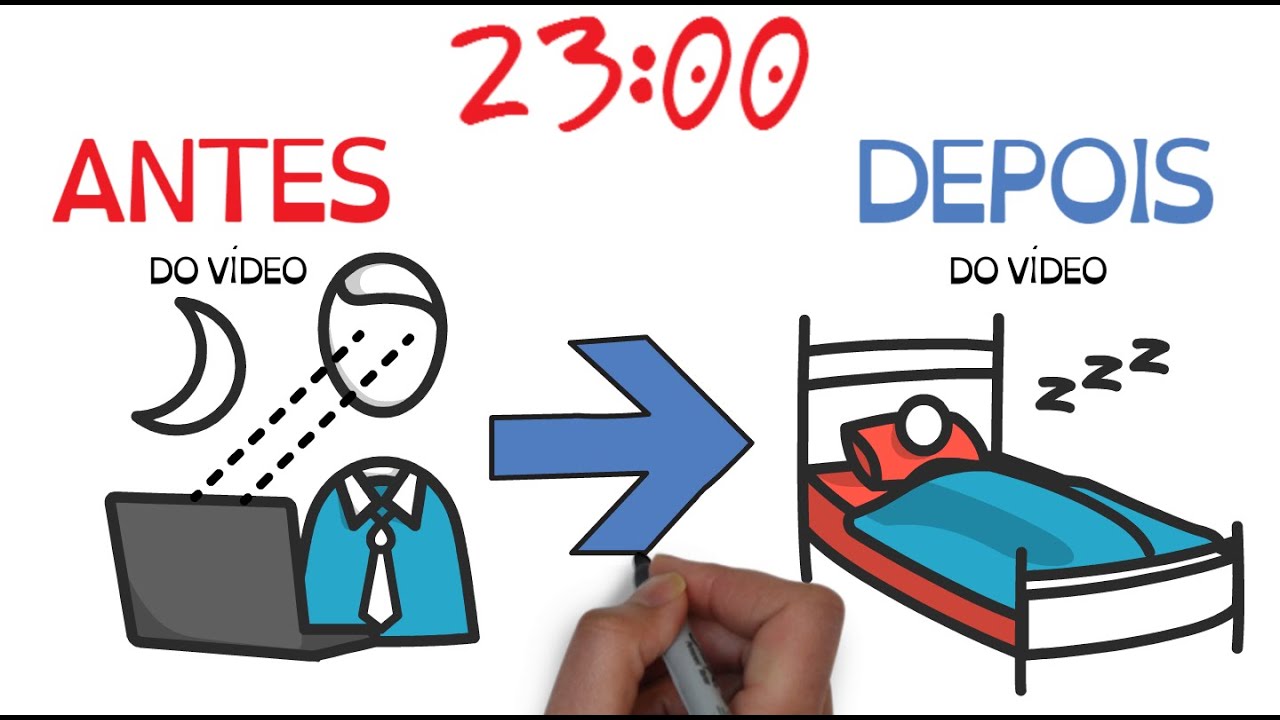
3 Dicas para DORMIR no HORÁRIO CERTO | Seja Uma Pessoa Melhor
5.0 / 5 (0 votes)

