A potential new treatment for Parkinson's shows early promise | The Excerpt
Summary
TLDRThis interview delves into the role of dopamine in Parkinson's disease, a condition that affects over 90,000 Americans annually. Dr. Vivian Tibar and Dr. Loren Stutter discuss the degeneration of dopamine neurons and the challenges faced by patients, including movement and cognitive issues. They explore a promising new stem cell therapy developed at Memorial Sloan Kettering Cancer Center, offering hope for future treatments that could potentially address movement-related symptoms. While the therapy is not a cure, it opens the door for new cell therapies in treating neurodegenerative diseases, and could pave the way for advancements in Alzheimer’s, ALS, and other conditions.
Takeaways
- 😀 Dopamine plays a critical role in the brain's reward system and is essential for movement control, with a lack of dopamine leading to Parkinson's disease.
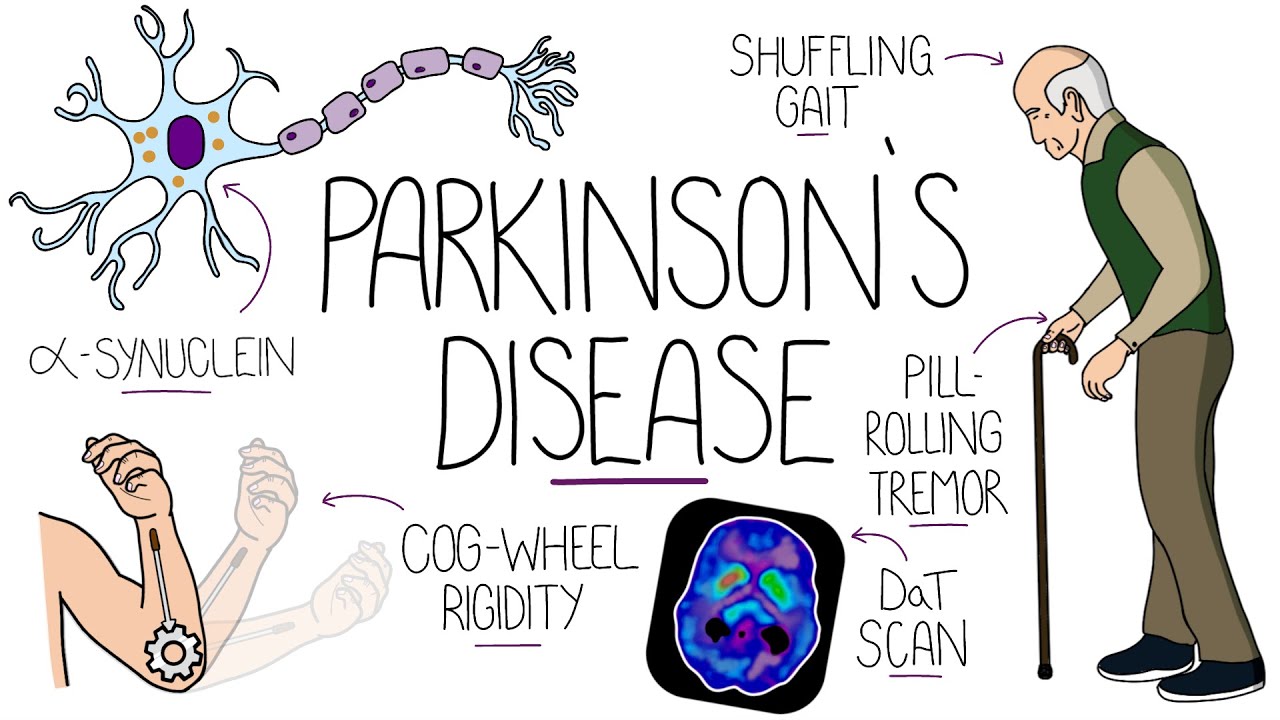
- 😀 Parkinson's disease causes the loss of dopamine-producing neurons, which leads to motor symptoms like tremors and stiffness, as well as other non-motor symptoms like sleep issues and loss of smell.
- 😀 Patients diagnosed with Parkinson's often lose 50% or more of their dopamine neurons by the time of diagnosis, and symptoms can worsen over time.
- 😀 Parkinson's disease affects both older adults and, less commonly, younger individuals, with the latter group typically having a genetic form of the disease.
- 😀 The exact cause of Parkinson's is still unknown, though environmental toxins and genetic factors are believed to play a role.
- 😀 Parkinson's progression includes a 'honeymoon period' where patients feel better on dopamine medication, followed by a decline in effectiveness, which leads to challenges in treatment.
- 😀 Surgical interventions like deep brain stimulation can help some patients, but eventually, many face a plateau where medications and surgeries no longer provide significant relief.
- 😀 Stem cell therapy is showing promise in replacing lost dopamine neurons, offering hope for better treatment options for Parkinson's patients.
- 😀 Stem cell therapy primarily targets movement-related symptoms and may not address non-motor symptoms like cognitive decline, gastrointestinal issues, or loss of smell.
- 😀 While stem cell therapy cannot cure Parkinson's, it could restore movement-related functions and improve quality of life for patients, potentially opening the door for future treatments targeting other symptoms.
- 😀 The research into stem cells for Parkinson's disease has also provided insights that could benefit the treatment of other neurodegenerative diseases like Alzheimer's, ALS, and macular degeneration.
Q & A
What role does dopamine play in Parkinson's disease?
-Dopamine is a neurotransmitter that helps regulate movement. In Parkinson's disease, the loss of dopamine-producing neurons in the brain leads to motor difficulties, which are one of the primary symptoms of the disease.
What are the primary symptoms of Parkinson's disease?
-The primary symptoms of Parkinson's disease include motor issues like tremors and stiffness in the gait, as well as non-motor symptoms like loss of smell, gastrointestinal problems, and sleep disturbances.
At what stage of Parkinson's disease is a diagnosis typically made?
-A diagnosis of Parkinson's disease is usually made when a patient has already lost around 50% or more of their dopamine neurons. The diagnosis is primarily based on clinical symptoms and a physical examination.
What challenges do patients with Parkinson's face in their daily lives?
-Patients often experience difficulty with motor control, which impacts their ability to perform daily tasks. Cognitive issues may also develop later, making it harder for individuals to maintain their work and personal lives.
Is Parkinson's disease more common in older individuals?
-While Parkinson's disease is most commonly diagnosed in individuals aged 60 or older, younger individuals can also develop Parkinson's, especially in cases related to genetic mutations.
What are the known causes of Parkinson's disease?
-The exact cause of Parkinson's disease is unknown, but factors like environmental toxins, genetic predispositions, and inflammation are believed to contribute to its onset. In most cases, it occurs sporadically with no clear genetic link.
How does Parkinson's disease progress over time?
-Parkinson's disease typically progresses in stages, starting with mild motor symptoms that may improve with medication. Over time, as dopamine-producing neurons continue to degenerate, patients may experience more severe symptoms and diminished response to medication, leading to a decline in function.
What is the 'honeymoon period' in Parkinson's treatment?
-The 'honeymoon period' refers to the initial phase after starting medication, where patients often feel much better and almost 'back to normal.' However, as the disease progresses, the effectiveness of medication decreases, and patients may experience more side effects.
What is the new stem cell therapy being developed for Parkinson's?
-A new stem cell therapy developed at Memorial Sloan Kettering Cancer Center aims to replace lost dopamine neurons in the brain. This could potentially improve movement-related symptoms in patients with Parkinson's disease, though it is still in early stages of testing.
What impact does the stem cell therapy have on Parkinson's disease symptoms?
-The therapy primarily targets movement-related symptoms by replacing degenerated dopamine neurons. While it shows promise, it is unlikely to address non-motor symptoms like cognitive decline, gastrointestinal issues, or sleep problems at this stage.
Is stem cell therapy a potential cure for Parkinson's disease?
-Stem cell therapy is not a cure for Parkinson's disease. It may help improve motor function by replacing lost dopamine neurons, but it cannot halt the disease's progression or address all of its symptoms, especially cognitive and non-motor ones.
What other diseases could benefit from stem cell therapies like those used in Parkinson's treatment?
-Stem cell therapies have potential applications for other neurodegenerative diseases such as Alzheimer's, ALS, and eye disorders like macular degeneration. These therapies are still in early stages, but they offer hope for more effective treatments in the future.
How long did it take to develop the stem cell therapy for Parkinson's, and what is the next step?
-It took nearly 25 years of research to develop the stem cell therapy for Parkinson's. The next step involves refining the therapy to improve its effectiveness, understand how it can address more symptoms, and determine how to accelerate the process for broader applications in both Parkinson's and other diseases.
Outlines

このセクションは有料ユーザー限定です。 アクセスするには、アップグレードをお願いします。
今すぐアップグレードMindmap

このセクションは有料ユーザー限定です。 アクセスするには、アップグレードをお願いします。
今すぐアップグレードKeywords

このセクションは有料ユーザー限定です。 アクセスするには、アップグレードをお願いします。
今すぐアップグレードHighlights

このセクションは有料ユーザー限定です。 アクセスするには、アップグレードをお願いします。
今すぐアップグレードTranscripts

このセクションは有料ユーザー限定です。 アクセスするには、アップグレードをお願いします。
今すぐアップグレード関連動画をさらに表示

Facts you need to know about Parkinson’s, with crunches

Parkinson's Research Model in Zebrafish
Understanding Parkinson's Disease (Including Direct and Indirect Pathways)

Doença de Parkinson | Fisiopatologia Rápida e Fácil do Flavonoide

Neurotrasmettitori | NEUROSCIENZE - Lezione 7

Michael J Fox Parkinson's Disease
5.0 / 5 (0 votes)

