CUSP: Patient and Family Engagement
Summary
TLDRTheresa, a former patient and kidney transplant recipient, joins a hospital CUSP team to share firsthand experiences and practical ideas for improving patient- and family-centered care. She praises compassionate staff gestures but highlights losses of dignity, confusing medical jargon, and gaps in discharge planning—especially for non–English speakers. The group discusses concrete solutions: develop daily and discharge plans at bedside at admission, use the IDEAL framework (Include, Discuss, Educate, Assess, Listen), schedule pain management before activity, coordinate interpreters, and clearly explain medication doses. Theresa volunteers to help form a patient advisory council to sustain these improvements hospital-wide.
Takeaways
- 😀 Patients and their families should be more actively engaged in care to improve outcomes and experiences.
- 😀 Theresa, a former patient, joins the CUSP team to offer her perspective on improving patient engagement.
- 😀 Personal touches, such as celebrating a patient's birthday in the hospital, can have a significant emotional impact on patients.
- 😀 Hospital gowns and the loss of bodily control (e.g., using bedpans) can diminish patient dignity, which needs to be considered when planning care.
- 😀 Patients should be involved in their own care plan, from daily routines to discharge planning, to regain a sense of control during hospitalization.
- 😀 Daily plans and schedules, including discussions with patients and their families during healthcare rounds, help patients feel more involved in their care.
- 😀 Starting discharge planning early, at the time of admission, helps prepare patients and families for a smoother transition once the patient is ready to leave.
- 😀 Clear communication about daily care, medication schedules, and recovery goals is essential for both patients and families to feel confident in care management.
- 😀 IDEAL (Include, Discuss, Educate, Assess, Listen) posters in patient rooms have improved communication between healthcare teams and patients/families.
- 😀 There is a need to reduce medical jargon and use plain language that patients and families can easily understand to increase patient engagement and satisfaction.
- 😀 The CUSP team recognizes the importance of involving non-English speaking patients and their families, but current limitations with interpreter availability need to be addressed.
Q & A
Why is patient and family engagement a key strategic goal for the hospital?
-The hospital aims to actively engage patients and their families in care to ensure that they feel more involved, heard, and supported throughout the treatment process, ultimately improving their experience and satisfaction.
How did Theresa’s experiences as a patient shape her perspective on patient care?
-Theresa's experiences, including long hospital stays, dialysis, and a kidney transplant, helped her understand both the medical and emotional challenges faced by patients. She recognizes that while care can be excellent, small improvements in patient engagement and dignity could significantly enhance the hospital experience.
What personal touches during Theresa’s hospital stays made a difference to her?
-Theresa appreciated simple, personal gestures, such as the nurses celebrating her birthday with a cake and singing 'Happy Birthday.' These small acts of kindness helped make her hospital stay feel more humanizing and supportive.
Why does Theresa emphasize the importance of patient dignity during hospital stays?
-Theresa highlights that losing control over basic activities, like using a bedpan or wearing an ill-fitting gown, can diminish a patient's sense of dignity. She believes that allowing patients more control over these aspects, whenever possible, can improve their hospital experience.
What suggestion did Theresa make for improving discharge planning?
-Theresa suggested that discharge planning should begin as early as the admission process, allowing the healthcare team to discuss expectations, medications, and recovery goals with patients and their families from the start of their hospital stay.
How does Theresa suggest improving the hospital’s daily care planning process?
-Theresa proposed involving patients and their families in the creation of daily care plans. She cited an example where a patient and their family actively participated in developing a plan of care, which provided a sense of control and clarity about the day's procedures.
What was the impact of involving a patient’s family in their daily care plan, according to Theresa?
-Involving the family helped ensure that patients felt more confident and informed about their treatment, as the family could ask questions, clarify expectations, and better understand the recovery process, ultimately improving patient satisfaction.
How can better communication about the recovery process enhance patient outcomes?
-Clear communication about the recovery process, including expected timelines for pain management, walking, and other rehabilitation activities, can help patients feel more confident in their recovery. It allows them to better prepare for the challenges they may face and take an active role in their recovery.
What role does the IDEAL acronym play in patient care?
-The IDEAL acronym—Include, Discuss, Educate, Assess, Listen—serves as a guiding principle for healthcare teams to engage patients and their families in their care. It encourages clear communication, shared decision-making, and ongoing assessment of patient needs, all aimed at improving patient outcomes and satisfaction.
How can medical jargon impact patient understanding and satisfaction?
-Medical jargon can create confusion for patients and their families, preventing them from fully understanding their condition, treatment options, or recovery process. Using plain language helps patients take ownership of their care and fosters a stronger partnership between healthcare providers and patients.
Outlines

このセクションは有料ユーザー限定です。 アクセスするには、アップグレードをお願いします。
今すぐアップグレードMindmap

このセクションは有料ユーザー限定です。 アクセスするには、アップグレードをお願いします。
今すぐアップグレードKeywords

このセクションは有料ユーザー限定です。 アクセスするには、アップグレードをお願いします。
今すぐアップグレードHighlights

このセクションは有料ユーザー限定です。 アクセスするには、アップグレードをお願いします。
今すぐアップグレードTranscripts

このセクションは有料ユーザー限定です。 アクセスするには、アップグレードをお願いします。
今すぐアップグレード関連動画をさらに表示

PRE & POST CONFERENCE, OPERAN JAGA, RONDE KEPERAWATAN

ROLEPLAY ORIENTASI PASIEN BARU Kelompok 4
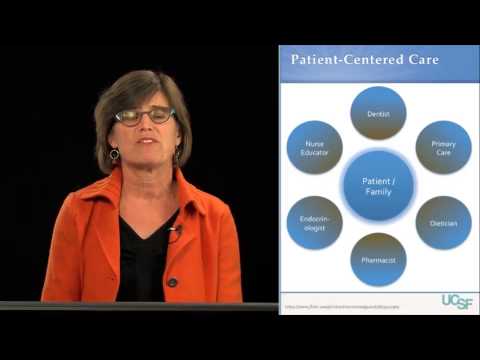
How does interprofessional collaboration impact care The patient 's perspective 2/7
Kolaborasi Tim Kesehatan RS UI - Ns. Sukihananto, S.Kep, M.Kep
IPE Core Competency Domain 1: Values/Ethics

IPE Core Competency Domain 4: Teams and Teamwork
5.0 / 5 (0 votes)

