Advanced EKGs - PACs and PVCs (i.e. premature beats)
Summary
TLDRThis video delves into the identification and understanding of premature atrial contractions (PACs) and premature ventricular contractions (PVCs), as well as related concepts such as premature junctional contractions (PJCs). It explains the morphology, causes, and potential fates of these irregular beats on an EKG, including their impact on rhythm and pulse. The video also covers classification into unifocal and multifocal types, as well as patterns like bigeminy and trigeminy. It highlights the clinical significance of PACs and PVCs, exploring their diagnostic value, potential for triggering arrhythmias, and their role in revealing underlying cardiac or metabolic issues.
Takeaways
- 😀 PACs (Premature Atrial Contractions) are early P waves that differ in morphology from the normal sinus P waves and may lead to a shortened or prolonged PR interval.
- 😀 PVCs (Premature Ventricular Contractions) cause wide and bizarre QRS complexes, often followed by a compensatory pause and sometimes resulting in the sensation of a 'skipped beat'.
- 😀 PACs and PVCs can be classified as unifocal (originating from one location) or multifocal (originating from multiple locations), impacting the regularity of the rhythm.
- 😀 PACs and PVCs are typically benign but can be associated with underlying conditions such as heart disease, heart failure, or cardiomyopathy.
- 😀 Premature contractions may cause symptoms like palpitations, lightheadedness, and dyspnea, and if frequent, they can lead to heart failure or cardiomyopathy.
- 😀 PACs and PVCs are not always pathological and are common in healthy adults, with normal limits being up to 500 PVCs per 24 hours.
- 😀 PACs and PVCs are more frequent in individuals with risk factors like ischemic heart disease, hypokalemia, and advanced age.
- 😀 Exercise can both suppress and trigger premature beats, with different prognostic implications, especially if PVCs appear in the recovery phase post-exercise.
- 😀 The presence of frequent PACs and PVCs may uncover hidden underlying cardiac or metabolic disease.
- 😀 Bigeminy and trigeminy rhythms refer to recurring patterns where PACs or PVCs occur at regular intervals, such as every other beat (bigeminy) or every third beat (trigeminy).
- 😀 PACs and PVCs can be useful in diagnosing other arrhythmias, such as atrial tachycardia with AV block, by revealing hidden atrial activity not visible in the primary rhythm.
Q & A
What is a PAC and what does it stand for?
-A PAC (Premature Atrial Contraction) is an early depolarization event originating in the atria. It occurs when a P wave appears earlier than expected, often followed by a normal QRS complex. It's also referred to as a premature beat or premature depolarization.
What are the characteristics of a PAC on an EKG?
-A PAC is characterized by a P wave that differs in morphology from the preceding P waves, occurring earlier than expected. The PR interval after the premature P wave may be shorter or longer than normal, and the QRS complex remains narrow and normal.
What are the possible causes of PACs and PVCs?
-PACs and PVCs can be triggered by factors such as ischemic heart disease, heart failure, anxiety, stimulant intoxication, beta-agonist use (like albuterol), hypokalemia, hypomagnesemia, and antiarrhythmic toxicity. Obstructive sleep apnea and advanced age are also risk factors.
How can PACs affect a person’s health?
-Although PACs are often benign, if they are frequent, they can cause symptoms such as palpitations, lightheadedness, and dyspnea. If PACs make up more than 10% of all depolarizations, they could lead to cardiomyopathy or heart failure.
What is the significance of PACs and PVCs in diagnosing underlying conditions?
-PACs and PVCs can be indicative of underlying cardiac or metabolic issues that may not yet be clinically apparent. Frequent premature contractions can signal the presence of heart disease or other conditions that warrant further investigation.
What are the differences between unifocal and multifocal PACs?
-Unifocal PACs originate from the same location within the atria, showing identical morphology for each premature beat. Multifocal PACs, however, arise from different locations, each with a distinct morphology, suggesting a more widespread electrical disturbance.
What is Ashman Aberrancy in PACs?
-Ashman Aberrancy refers to abnormal ventricular depolarization that occurs when a premature atrial contraction (PAC) arrives at the AV node when it's partially refractory. This results in a QRS complex with a right bundle branch block morphology.
What is a compensatory pause following a PVC?
-A compensatory pause occurs when a PVC does not influence the sinus node, leading to a normal sinus rhythm resuming after the PVC. This pause causes the P-to-P interval surrounding the PVC to be double the usual interval, as the sinus node continues to beat normally.
What is the difference between a compensatory and non-compensatory pause after a PVC?
-A compensatory pause occurs when the PVC does not reset the sinus node, maintaining normal rhythm afterward, leading to a pause of twice the normal P-to-P interval. A non-compensatory pause happens when the PVC resets the sinus node, shortening the P-to-P interval.
How can the presence of PVCs help in identifying other arrhythmias?
-PVCs can unmask hidden arrhythmic activity, such as atrial tachycardia. For example, a compensatory pause after a PVC may reveal an underlying atrial rhythm, as demonstrated by a retrograde P wave or an unexpected pattern in the sinus P waves.
Outlines

このセクションは有料ユーザー限定です。 アクセスするには、アップグレードをお願いします。
今すぐアップグレードMindmap

このセクションは有料ユーザー限定です。 アクセスするには、アップグレードをお願いします。
今すぐアップグレードKeywords

このセクションは有料ユーザー限定です。 アクセスするには、アップグレードをお願いします。
今すぐアップグレードHighlights

このセクションは有料ユーザー限定です。 アクセスするには、アップグレードをお願いします。
今すぐアップグレードTranscripts

このセクションは有料ユーザー限定です。 アクセスするには、アップグレードをお願いします。
今すぐアップグレード関連動画をさらに表示

Premature Atrial Contractions (PACs), Animation.
Premature Ventricular Contraction - causes, symptoms, diagnosis, treatment, pathology

Membrane Potentials in Smooth Muscle || Spike Potential, Plateau, Slow Wave, Junctional Potential
Isometric Contraction vs Isotonic Contraction || Physiology with Animation
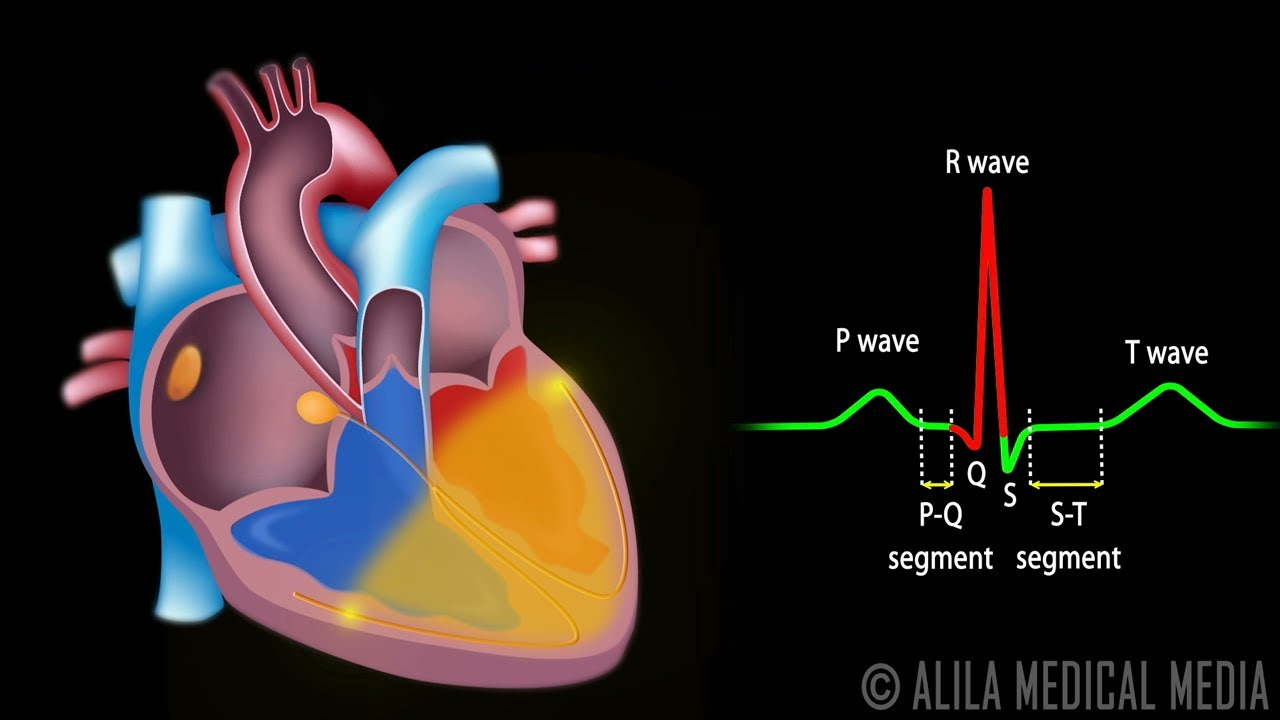
Cardiac Conduction System and Understanding ECG, Animation.

The Cardiac Cycle is SO EASY! Stop Making it Hard!
5.0 / 5 (0 votes)

