4 Jenis Irigasi ini Paling Banyak Digunakan Petani
Summary
TLDRThe video explores the crucial role of irrigation in agriculture, highlighting various methods used in Indonesia. It covers surface irrigation, subsurface irrigation, sprinkler systems, drip irrigation, manual watering with buckets, and pump-based irrigation, explaining their techniques, suitable soil types, and advantages. Viewers learn how each system efficiently delivers water to crops, maximizes growth, and conserves resources. The video emphasizes selecting the right irrigation method based on plant needs, land conditions, and available resources. Practical tips and insights aim to help farmers improve productivity, optimize water use, and ensure successful crop cultivation in both traditional and modern agricultural practices.
Takeaways
- 🌾 Irrigation is a crucial factor for successful agriculture, as crops need sufficient water to grow properly and yield optimally.
- 💧 Surface irrigation is one of the oldest methods, where water is taken from a source and distributed over the fields, often by flooding, suitable for fine-textured soils.
- 🌱 Subsurface irrigation delivers water directly to the root zone through underground pipes, maximizing nutrient absorption and reducing water waste.
- ☔ Sprinkler irrigation sprays water over the crops like rainfall, ensuring even distribution and preventing soil erosion; it works best in areas with low wind speeds.
- 💦 Drip irrigation provides water slowly and directly to the plant roots using emitters, increasing efficiency, reducing evaporation, and optimizing early plant growth.
- 🪣 Manual bucket irrigation is labor-intensive and less efficient but remains in use among small-scale farmers with limited resources.
- ⚙️ Pump irrigation uses machines to draw water from wells or rivers and distribute it to fields, especially useful during dry seasons to maintain crop hydration.
- 🌍 Choosing the right irrigation system depends on soil type, water availability, crop needs, and the scale of the farm for optimal results.
- 💡 Modern irrigation methods like subsurface and drip irrigation enhance water efficiency and nutrient delivery, supporting sustainable agriculture.
- 📈 Effective irrigation planning can prevent crop failure, support consistent growth, and improve overall agricultural productivity.
- 📣 Sharing knowledge about irrigation methods helps other farmers adopt efficient techniques and increase yields.
Q & A
Why is irrigation considered a crucial factor in agriculture?
-Irrigation is essential because it ensures that crops receive sufficient water to grow optimally. Without adequate irrigation, most agricultural commodities would not grow well and yields could be significantly reduced.
What is surface irrigation and how is it typically implemented?
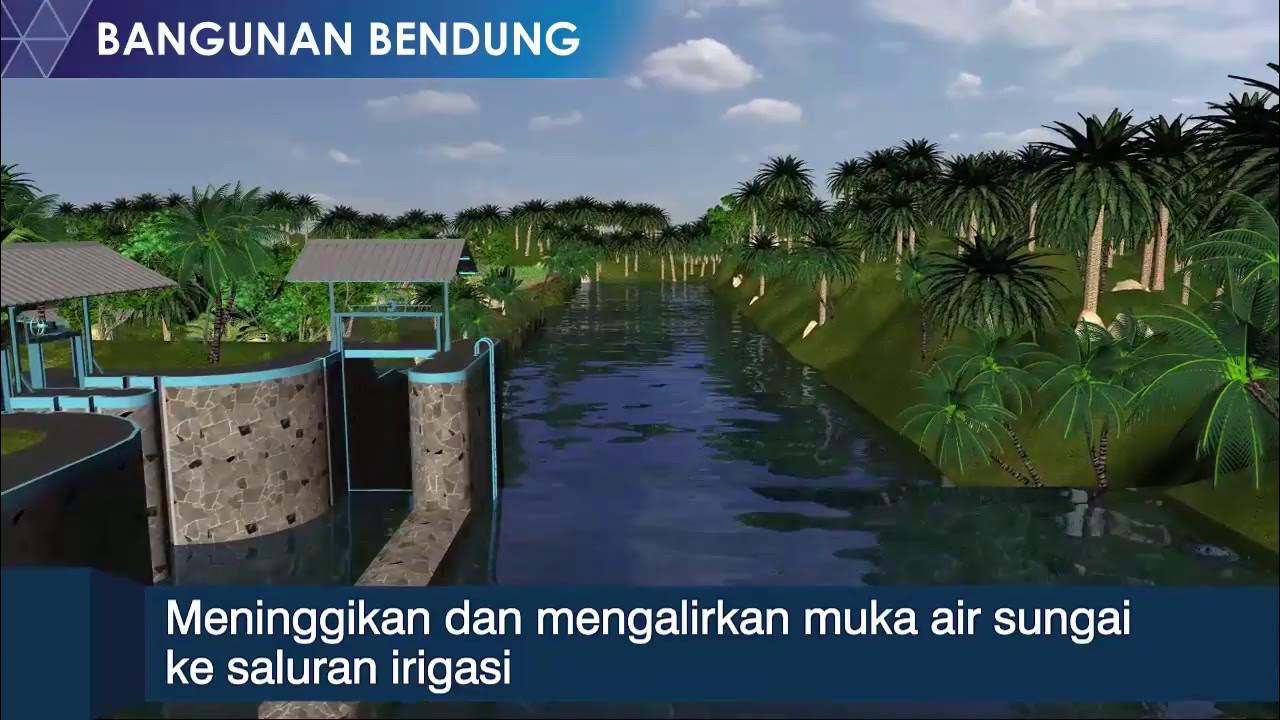
-Surface irrigation is one of the oldest irrigation methods in Indonesia. It involves taking water from a source, usually a river, through a dam or free intake, and distributing it to farmland using pipes or hoses. The land is then flooded to a certain water level, making it suitable for fine to medium-textured soils.
How does subsurface irrigation work, and what is its main advantage?
-Subsurface irrigation delivers water below the soil surface to reach plant roots using underground pipes or channels. It relies on capillary action to move water to the roots, providing nutrients directly to the plant and maximizing root efficiency.
What is the principle behind sprinkler or overhead irrigation?
-Sprinkler irrigation sprays water into the air, allowing it to fall evenly on the crops like rainfall. This method ensures uniform water distribution, helps prevent soil erosion, and can also be used for fertilizer application.
What are the key benefits of drip or micro-irrigation?
-Drip irrigation delivers water slowly and directly to the soil near plant roots through emitters. Benefits include water conservation, precise targeting of plant roots, maximizing nutrient use, and improving early growth stages of crops.
Why is manual irrigation with buckets or pails still used by some farmers?
-Manual irrigation is used mainly by farmers in rural areas with limited resources or far from water sources. Although labor-intensive and time-consuming, it allows these farmers to irrigate their crops without investing in pumps or advanced irrigation systems.
When is pump-based irrigation most effective?
-Pump irrigation is most effective during dry seasons or when water sources are distant. It uses machines to draw water from wells or rivers and distribute it via pipes or channels, ensuring crops receive enough water even in periods of low rainfall.
Which irrigation system is best suited for preventing water loss due to evaporation?
-Drip or micro-irrigation is best for minimizing water loss because it delivers water directly to the roots slowly, reducing surface evaporation and maximizing water efficiency.
How can sprinkler irrigation contribute to additional agricultural tasks beyond watering crops?
-Sprinkler irrigation can also help prevent soil crusting, reduce wind erosion, and distribute fertilizers or pesticides evenly across the field, making it a multifunctional irrigation method.
What factors should farmers consider when choosing an irrigation system?
-Farmers should consider soil type, crop needs, water availability, labor resources, equipment costs, and efficiency. Choosing the right system ensures optimal growth, resource conservation, and cost-effectiveness.
Why is subsurface irrigation more suitable for medium to coarse-textured soils?
-Subsurface irrigation is better for medium to coarse-textured soils because finer soils may clog the small holes of underground pipes or emitters, while coarser soils allow water to move efficiently through the root zone without frequent blockages.
Outlines

Cette section est réservée aux utilisateurs payants. Améliorez votre compte pour accéder à cette section.
Améliorer maintenantMindmap

Cette section est réservée aux utilisateurs payants. Améliorez votre compte pour accéder à cette section.
Améliorer maintenantKeywords

Cette section est réservée aux utilisateurs payants. Améliorez votre compte pour accéder à cette section.
Améliorer maintenantHighlights

Cette section est réservée aux utilisateurs payants. Améliorez votre compte pour accéder à cette section.
Améliorer maintenantTranscripts

Cette section est réservée aux utilisateurs payants. Améliorez votre compte pour accéder à cette section.
Améliorer maintenantVoir Plus de Vidéos Connexes

PutraMOOC | PRT2008M Topic 6 Innovation and Challenges in Agriculture (Part 3/6)
Bendung dan fungsinya

STS G2C Ancient Egypt

PENGUATAN AGRIKULTUR DI INDONESIA - Materi IPS SMP Kelas 8

PEDOSFER : JENIS - JENIS TANAH DAN MANFAATNYA

A new wireless sensor network for agriculture communities | Reinier van der Lee | TEDxTemecula
5.0 / 5 (0 votes)

