Nasib Petani Tebu yang Tidak Manis
Summary
TLDRThe video highlights the struggles of sugarcane farmers in Indonesia, whose livelihoods are threatened despite the high demand for domestic crystal sugar. Smallholders with less than four hectares face limited access to subsidies and loans, forcing them to rely on larger farmers. Even with larger plots, farmers must carefully manage production and distribution costs to remain profitable. Challenging infrastructure and market pressures further strain their earnings, leaving many at a loss. Government measures like price caps and imports provide temporary relief but fail to address the underlying issues. Without infrastructure improvements and industry revitalization, sugarcane farming remains a precarious and struggling sector.
Takeaways
- 🍬 Domestic crystal sugar is highly sought after by consumers, even more than rice, despite rising prices.
- 📈 Sugar consumption in Indonesia remains high, regardless of price increases.
- 🌾 Sugarcane farmers are struggling to survive amid market pressures and competition.
- 📉 The total sugarcane farmland in Indonesia was 440,000 hectares in 2016 and is decreasing by 10% annually.
- 💰 Only farmers with more than 4 hectares of land can access subsidized fertilizers and loans, leaving smallholders at a disadvantage.
- 🤝 Small-scale farmers with less than 4 hectares must collaborate with larger farmers to survive economically.
- 🥵 Farmers with less than 1 hectare earn minimal profits, around Rp3 million per year, barely covering household needs.
- 🚜 Poor infrastructure and difficult terrain increase distribution costs for transporting sugarcane to processing factories.
- 📉 Farmers are often the most disadvantaged in the sugar market, as middlemen and traders push prices down.
- 🇮🇩 Government interventions, such as importing sugar during price spikes, fail to support local farmers or strengthen domestic sugar industry infrastructure.
- ⚠️ Without improvements in infrastructure and revitalization of sugar factories, sugarcane farming faces an uncertain future, struggling between survival and decline.
Q & A
What is the main commodity discussed in the transcript?
-The main commodity discussed is domestically produced crystalline sugar, which is highly sought after by consumers in Indonesia.
How does the demand for sugar compare to rice according to the transcript?
-Crystalline sugar is described as the second most sought-after commodity after rice, indicating high consumer demand despite rising prices.
What challenges do sugarcane farmers face in Indonesia?
-Sugarcane farmers face difficulties such as declining numbers, limited access to subsidized fertilizers and loans for those with land under 4 hectares, and high production and distribution costs.
How much sugarcane land was available in Indonesia in 2016, and what trend is observed?
-In 2016, Indonesia had 440,000 hectares of sugarcane land, with a yearly decrease of about 10%, reflecting a shrinking agricultural base for sugarcane.
Why do small-scale farmers have to join larger farmers?
-Farmers with less than 4 hectares of land must collaborate with larger farmers to access resources and survive economically, as they cannot receive government subsidies or loans independently.
What example illustrates the low profitability for small-scale farmers?
-A farmer named Samingun, who owns less than 1 hectare, earns only around 3 million rupiahs per year despite planting his entire land with sugarcane, highlighting the minimal financial gains.
What are the difficulties in transporting sugarcane mentioned in the transcript?
-Sugarcane transport is costly and challenging due to rough terrain, making it difficult for trucks to access farms, which increases expenses for farmers to deliver crops to processing companies.
According to the transcript, who usually bears the loss when sugar prices are controlled?
-Farmers are often the losing party when the government sets maximum sugar prices, as middlemen and traders adjust their margins at the expense of the producers.
What government action is taken when sugar prices rise?
-The government often resorts to importing sugar as a solution whenever domestic sugar prices surge, rather than addressing underlying infrastructure or industry issues.
What is the outlook for sugarcane farming if infrastructure and companies are not improved?
-Without improvements to infrastructure and the revitalization of sugar companies, sugarcane farming may remain a sector that struggles to survive, described as 'reluctant to live, unwilling to die.'
How do large-scale farmers manage to remain profitable?
-Large-scale farmers must carefully manage production costs and distribution logistics, using loans and innovative methods to transport sugarcane efficiently despite challenging conditions.
What social impact does low profitability have on farmers like Samingun?
-Low profitability forces farmers to rely on additional labor or side work, and their income barely covers household necessities, indicating economic vulnerability and hardship.
Outlines

Cette section est réservée aux utilisateurs payants. Améliorez votre compte pour accéder à cette section.
Améliorer maintenantMindmap

Cette section est réservée aux utilisateurs payants. Améliorez votre compte pour accéder à cette section.
Améliorer maintenantKeywords

Cette section est réservée aux utilisateurs payants. Améliorez votre compte pour accéder à cette section.
Améliorer maintenantHighlights

Cette section est réservée aux utilisateurs payants. Améliorez votre compte pour accéder à cette section.
Améliorer maintenantTranscripts

Cette section est réservée aux utilisateurs payants. Améliorez votre compte pour accéder à cette section.
Améliorer maintenantVoir Plus de Vidéos Connexes

Sinergi Bakteri untuk Meningkatkan Pertumbuhan dan Produksi Tebu | Indonesia Raya Jelajah Sains
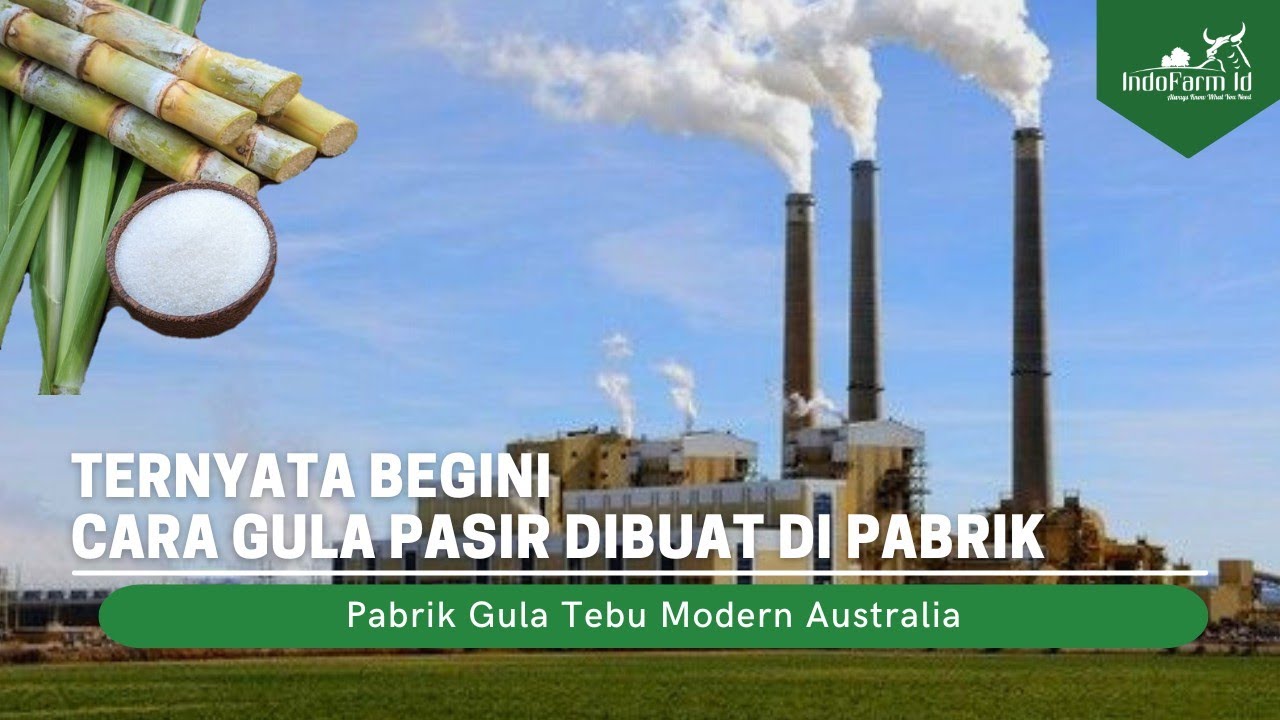
How Modern Factory Producing Crystal Sugar Efficiently?
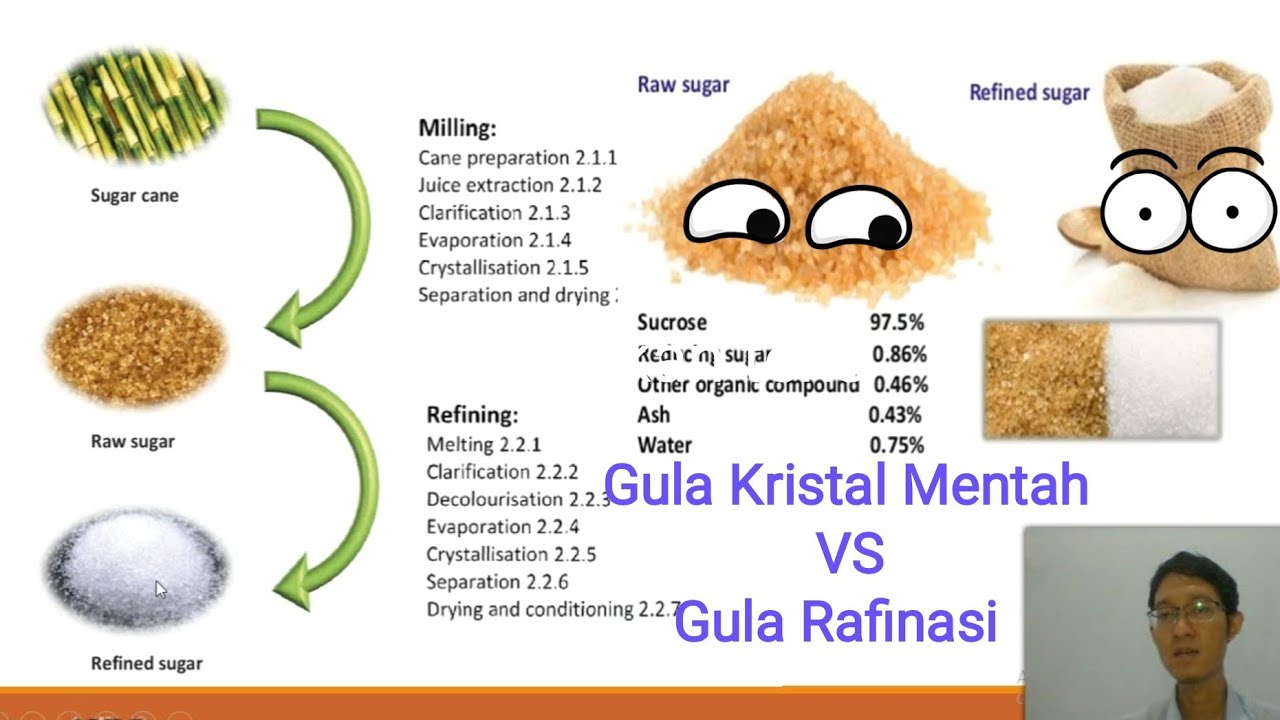
Ekstraksi Tebu menjadi Nira - Diagram Alir Proses Industri Gula (part 1/4)
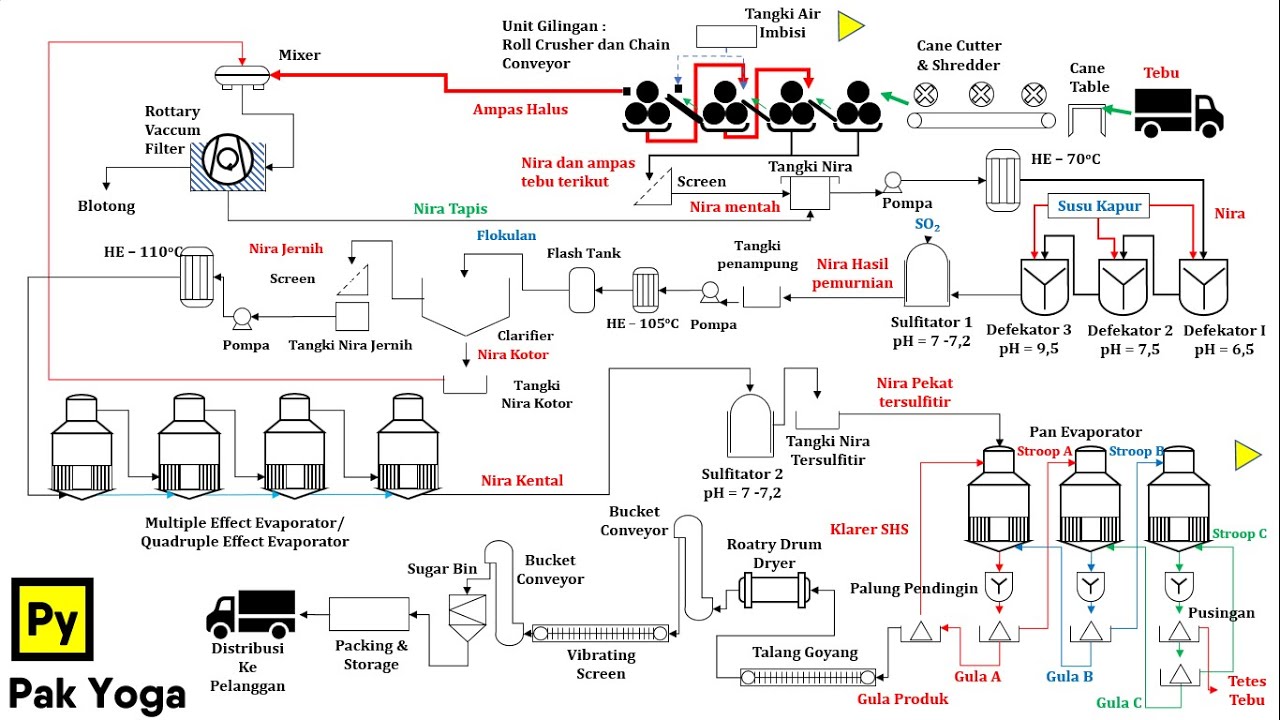
Kimia Industri - Diagram Alir Proses Pembuatan Gula tebu
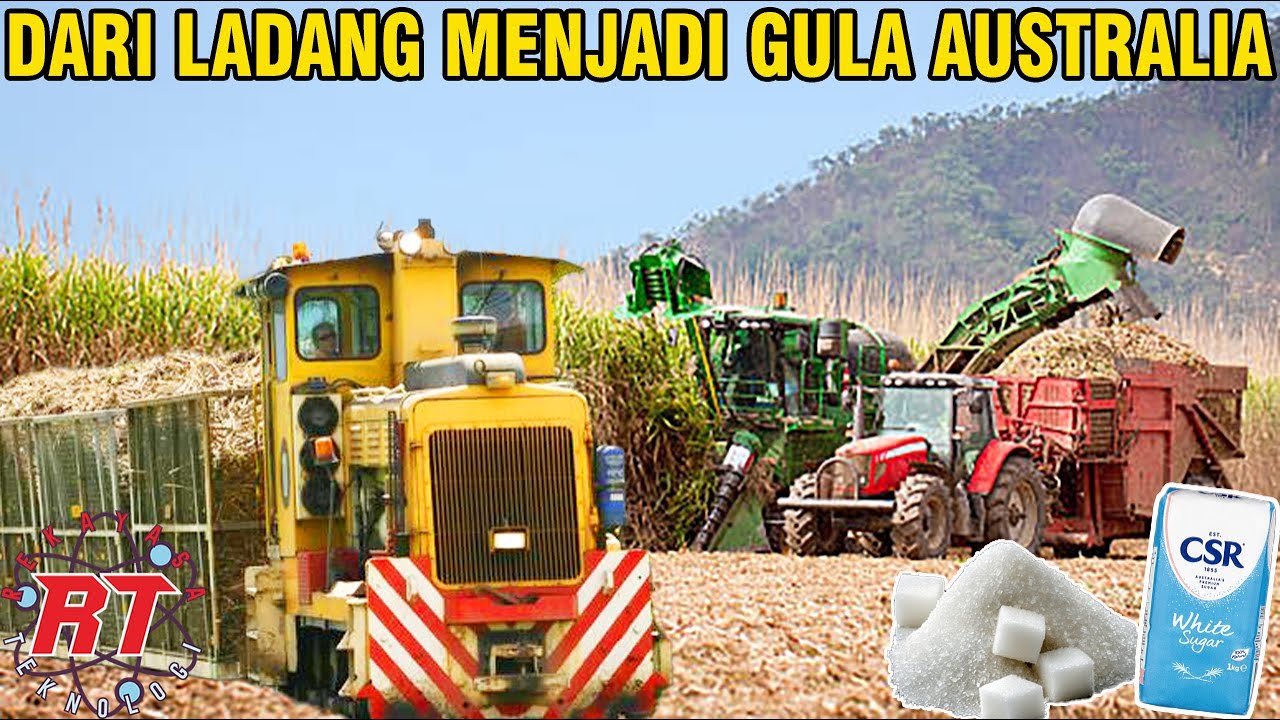
THIS IS THE MODERN PROCESS OF SUGAR FARMING IN AUSTRALIA | THE SECRET BEHIND EXPORTED GRANULATED ...

Farm to Table: What is the Reality? | Maya Anandan | TEDxYouth@AES
5.0 / 5 (0 votes)

