Air
Summary
TLDRThis video explores the layers of the atmosphere, the harmful effects of air pollution, and how pollutants like particulate matter, carbon monoxide, sulfur oxides, and nitrogen oxides impact our health and environment. It explains the Air Quality Index (AQI), monitoring methods used by the EPA, and technologies like catalytic converters to reduce emissions. By focusing on both natural and human-made sources of pollution, the video highlights the importance of monitoring and regulating air quality to safeguard public health and the environment.
Takeaways
- 😀 Air pollution is defined as any alteration in air quality caused by harmful chemicals, making the air unsafe for various human activities.
- 🌍 The troposphere, where most pollutants are found, is the densest layer of the atmosphere, holding about three-fourths of the total mass of the atmosphere.
- 🌞 The ozone layer in the stratosphere is beneficial for blocking harmful UV radiation, but tropospheric ozone (bad ozone) is harmful and contributes to air pollution.
- 🚗 Human activities, such as combustion of fossil fuels, significantly contribute to harmful gases like carbon monoxide (CO), sulfur oxides (SOx), and nitrogen oxides (NOx).
- ⚠️ Particulate matter (PM 2.5 and PM 10) is a major air pollutant, with PM 2.5 being particularly harmful due to its small size, capable of entering the lungs and causing severe health problems.
- 🌫️ Volatile Organic Compounds (VOCs) are emitted from household products and can react with other pollutants in the atmosphere, contributing to the formation of photochemical smog.
- 📊 The Air Quality Index (AQI) categorizes air quality into levels, such as good, moderate, and hazardous, depending on the concentration of pollutants.
- 💨 Temperature inversions can trap pollutants near the ground, leading to smog, and exacerbating health issues, especially in industrialized areas.
- 🚿 Catalytic converters in vehicles reduce emissions of harmful gases like CO and NOx, converting them into less harmful substances before they enter the atmosphere.
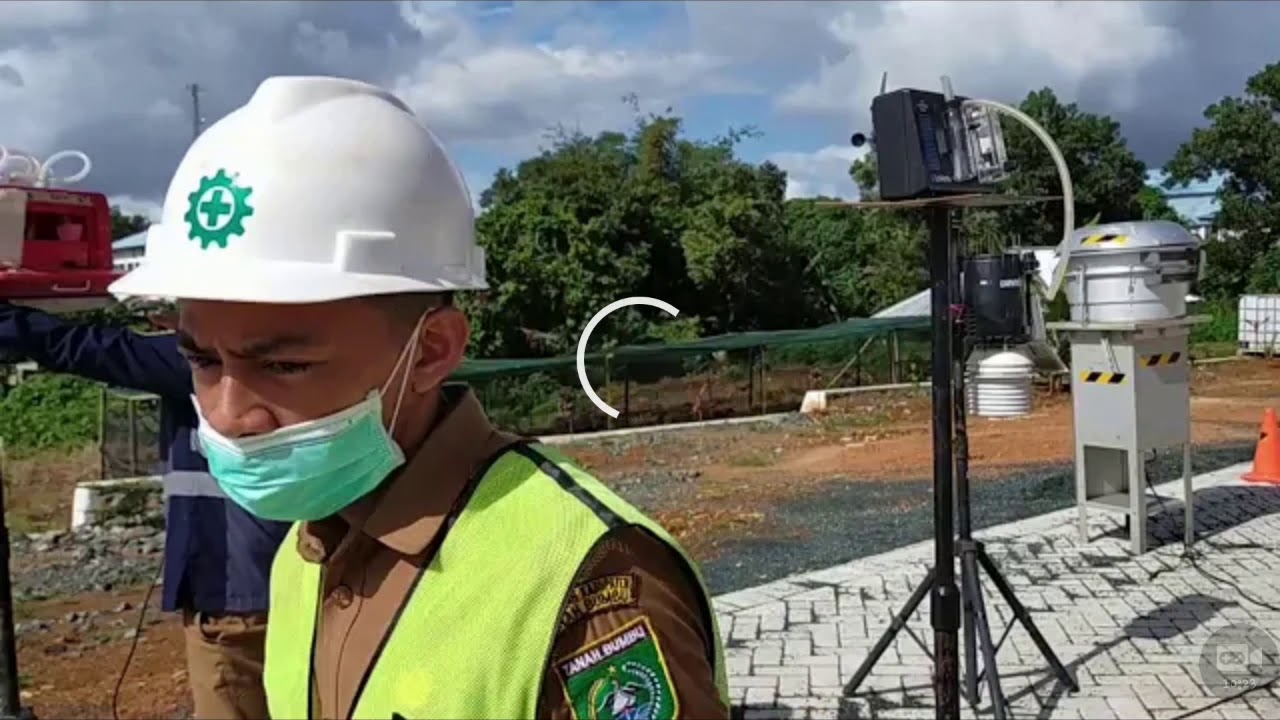
- 📡 Air monitoring stations, like those in Victoria, Australia, continuously measure air pollutants (e.g., ozone, CO, NOx, SOx, PM 2.5) to provide real-time data, forecasts, and advisories to protect public health.
Q & A
What is the main focus of the video script?
-The main focus of the video script is air pollution, including its sources, health effects, and the technologies used to monitor and control air quality.
Why is the troposphere considered the most studied layer of the atmosphere?
-The troposphere is the most studied layer because it is the densest and interacts directly with the Earth's surface, making it crucial for weather patterns and human activities, including the accumulation of pollutants.
What is the difference between 'good' and 'bad' ozone?
-'Good' ozone is found in the stratosphere, where it protects the Earth from harmful ultraviolet radiation. 'Bad' ozone, or tropospheric ozone, is a pollutant that forms near the Earth's surface and contributes to smog and respiratory issues.
What are particulate matter (PM), and why are PM 2.5 particles more harmful than PM 10?
-Particulate matter (PM) consists of solid particles suspended in the air, such as dust or smoke. PM 2.5 particles are smaller than PM 10 (2.5 micrometers or less) and can be inhaled deeper into the lungs, leading to more severe health problems like respiratory disorders and cancer.
How do nitrogen oxides (NOx) contribute to air pollution?
-Nitrogen oxides (NOx), including nitrogen dioxide (NO2), are produced by the combustion of fossil fuels in vehicles and power plants. They can contribute to the formation of acid rain, photochemical smog, and tropospheric ozone (bad ozone).
What are Volatile Organic Compounds (VOCs), and how do they impact air quality?
-Volatile Organic Compounds (VOCs) are organic chemicals found in products like paints, perfumes, and cleaning supplies. While VOCs are harmless in isolation, they react with other pollutants to form photochemical smog, which can deteriorate air quality.
What is photochemical smog, and how is it formed?
-Photochemical smog is a type of air pollution formed when nitrogen oxides (NOx) and volatile organic compounds (VOCs) react with sunlight. This process produces harmful tropospheric ozone, which contributes to smog and respiratory problems.
What is the Air Quality Index (AQI), and what does it indicate?
-The Air Quality Index (AQI) is a scale used to measure air pollution levels. A reading below 100 is considered safe, while higher values indicate unhealthy air, particularly for sensitive groups such as children and people with respiratory conditions.
What role does the Clean Air Act play in controlling air pollution in the United States?
-The Clean Air Act is a critical piece of legislation in the United States that sets standards for air quality and regulates emissions from industries, vehicles, and other sources to reduce air pollution and protect public health.
How do catalytic converters help reduce air pollution from vehicles?
-Catalytic converters reduce air pollution by converting harmful gases such as nitrogen oxides (NOx) and carbon monoxide (CO) into less harmful substances. They achieve this through chemical reactions facilitated by metal catalysts, such as platinum and rhodium.
Outlines

Cette section est réservée aux utilisateurs payants. Améliorez votre compte pour accéder à cette section.
Améliorer maintenantMindmap

Cette section est réservée aux utilisateurs payants. Améliorez votre compte pour accéder à cette section.
Améliorer maintenantKeywords

Cette section est réservée aux utilisateurs payants. Améliorez votre compte pour accéder à cette section.
Améliorer maintenantHighlights

Cette section est réservée aux utilisateurs payants. Améliorez votre compte pour accéder à cette section.
Améliorer maintenantTranscripts

Cette section est réservée aux utilisateurs payants. Améliorez votre compte pour accéder à cette section.
Améliorer maintenant


5.0 / 5 (0 votes)

