Rangkuman Materi IPA Kelas 7 Bab 6 Ekologi dan Pelestarian Lingkungan (Kurikulum Merdeka)
Summary
TLDRThis video covers Grade 7 science, Chapter 6: Ecology and Environmental Conservation. It explains how both living and non-living components of the environment influence organisms and interact within ecosystems. Key topics include biotic and abiotic factors, energy flow through food chains and webs, and biogeochemical cycles such as water, carbon, and oxygen cycles. The video also highlights human impacts on ecosystems, including agriculture, habitat destruction, pollution, and climate change. Finally, it emphasizes the importance of conservation through in situ and ex situ methods to preserve biodiversity and maintain ecological balance for both environmental and economic benefits.
Takeaways
- 😀 Environment plays a crucial role in the growth and life of organisms, affecting factors like speed of growth in plants.
- 🌍 The environment is everything around living organisms that influences their life, consisting of both biotic (living) and abiotic (non-living) components.
- 💧 Abiotic factors such as water, light, temperature, pH, and salinity are essential for organism growth and life processes like photosynthesis and enzyme activity.
- 🌱 Biotic factors, such as competition, predation, and symbiosis, directly influence how organisms interact and survive in their habitats.
- 🌿 An ecosystem is a system where living organisms (biotic) interact with their non-living environment (abiotic), maintaining balance through these interactions.
- 🔄 The flow of energy in ecosystems starts with producers (plants) and moves through various levels of consumers, ultimately reaching decomposers like fungi and bacteria.
- ♻️ Biogeochemical cycles, like the water, carbon, and oxygen cycles, regulate essential processes for life, ensuring nutrient and energy flow across ecosystems.
- 🌞 Human activities, such as agriculture and industrialization, can have both positive and negative impacts on ecosystems, leading to habitat loss, pollution, and climate change.
- 🌍 Conservation efforts like using alternative energy, recycling, and habitat restoration help protect ecosystems and preserve biodiversity.
- 🐯 Conservation of species, especially those threatened by habitat loss or human activity, is critical for maintaining biodiversity and ecological balance.
Q & A
What is the role of the environment in influencing the growth of organisms?
-The environment significantly affects the growth and life of organisms. For example, experiments growing bean seeds with different fertilizers show differences in growth speed, demonstrating the impact of environmental factors.
What are the two main components of the environment, and what do they consist of?
-The environment consists of biotic components (living organisms like plants, animals, humans, and microorganisms) and abiotic components (non-living factors such as water, light, temperature, pH, and salinity).
How do abiotic factors affect organism growth?
-Abiotic factors like water, light, temperature, pH, and salinity are essential for the growth of organisms. For example, water is necessary for physiological processes, light affects photosynthesis, and temperature influences enzyme activity.
What is an ecosystem, and how do biotic and abiotic components interact within it?
-An ecosystem is a system where living organisms (biotic components) and non-living elements (abiotic components) interact and depend on each other. For example, plants rely on sunlight, water, and soil for growth, while animals depend on plants for food.
What are the levels of organization in ecology, from smallest to largest?
-The levels of organization in ecology are: 1) Individual (one organism), 2) Population (group of the same species), 3) Community (different populations in one area), 4) Ecosystem (community and abiotic factors), 5) Biome (large ecosystem with specific vegetation), and 6) Biosphere (the entire area on Earth inhabited by life).
What is the difference between a habitat and a microhabitat?
-A habitat is the general environment where an organism lives, such as a forest or ocean. A microhabitat is a smaller, specific part of the habitat, like the leaves of a tree where certain insects live.
How does energy flow in an ecosystem, and what is a food chain?
-Energy in an ecosystem flows from the sun to producers (plants), then to primary consumers (herbivores), and finally to secondary consumers (carnivores). A food chain is a sequence of organisms through which energy is transferred, such as grass → grasshopper → frog → snake → eagle.
What is the importance of biogeochemical cycles like the water and carbon cycles?
-Biogeochemical cycles, such as the water cycle and the carbon-oxygen cycle, are essential for maintaining the balance of elements in ecosystems. The water cycle ensures water availability, while the carbon-oxygen cycle regulates the flow of carbon and oxygen between living organisms and the environment.
How do human activities negatively impact ecosystems?
-Human activities, such as agricultural practices (use of chemical fertilizers and pesticides), deforestation, and pollution, can harm ecosystems. These activities may lead to habitat destruction, loss of biodiversity, and the disruption of natural cycles.
What are the two main methods of conservation, and how do they differ?
-The two main conservation methods are in-situ conservation (preserving species in their natural habitats, like wildlife reserves) and ex-situ conservation (preserving species outside their natural habitats, like in zoos or botanical gardens). In-situ is used when habitats are intact, while ex-situ is necessary when natural habitats are destroyed.
Outlines

Cette section est réservée aux utilisateurs payants. Améliorez votre compte pour accéder à cette section.
Améliorer maintenantMindmap

Cette section est réservée aux utilisateurs payants. Améliorez votre compte pour accéder à cette section.
Améliorer maintenantKeywords

Cette section est réservée aux utilisateurs payants. Améliorez votre compte pour accéder à cette section.
Améliorer maintenantHighlights

Cette section est réservée aux utilisateurs payants. Améliorez votre compte pour accéder à cette section.
Améliorer maintenantTranscripts

Cette section est réservée aux utilisateurs payants. Améliorez votre compte pour accéder à cette section.
Améliorer maintenantVoir Plus de Vidéos Connexes

Konsep Dasar Ilmu Lingkungan

Population Ecology
Kurikulum Merdeka Rangkuman Bahasa Indonesia Kelas 7 Bab 6 Surat Pribadi dan Surat Resmi
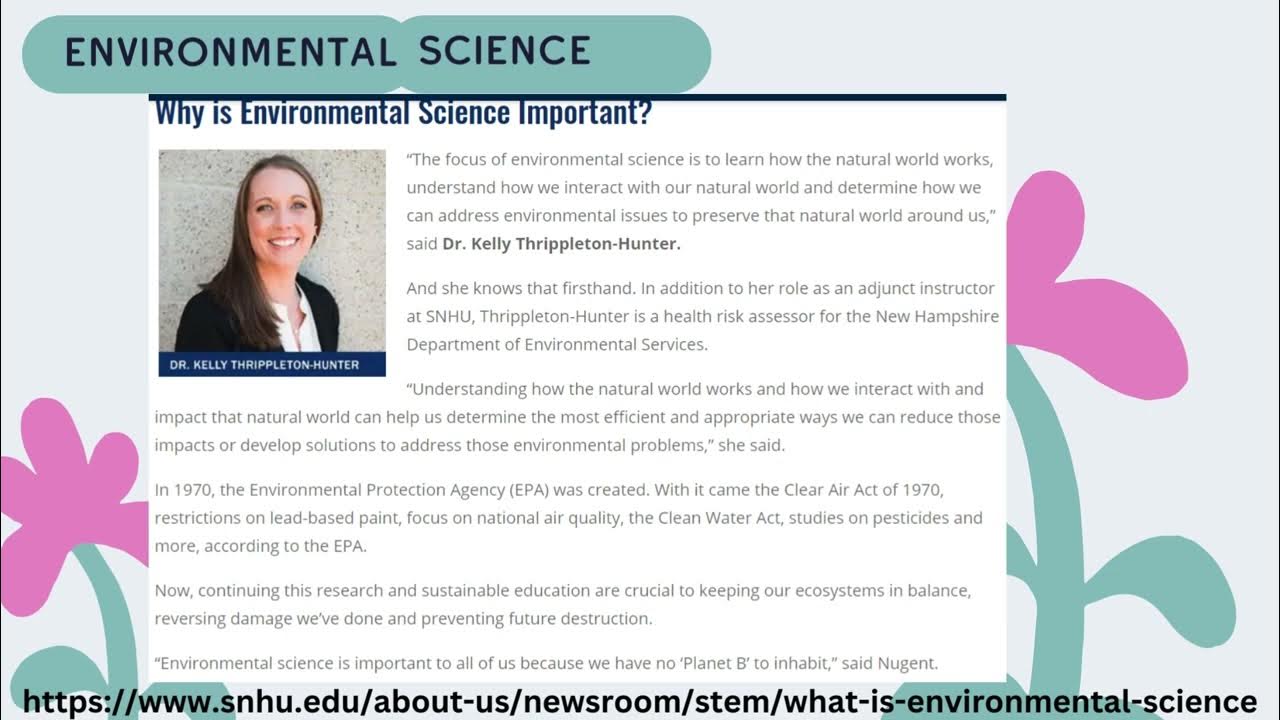
Environmental Science. Lesson 1. Definition of Basic Terms

Resources and Development - One Shot | Class 10 Geography | Full Chapter Revision in 1 Video

Rangkuman Materi IPA Kelas 7 Kurikulum Merdeka Semester 1 dan 2
5.0 / 5 (0 votes)

