Rangkuman Materi PAI Kelas 10 Al Kuliyatul Al Khamsah
Summary
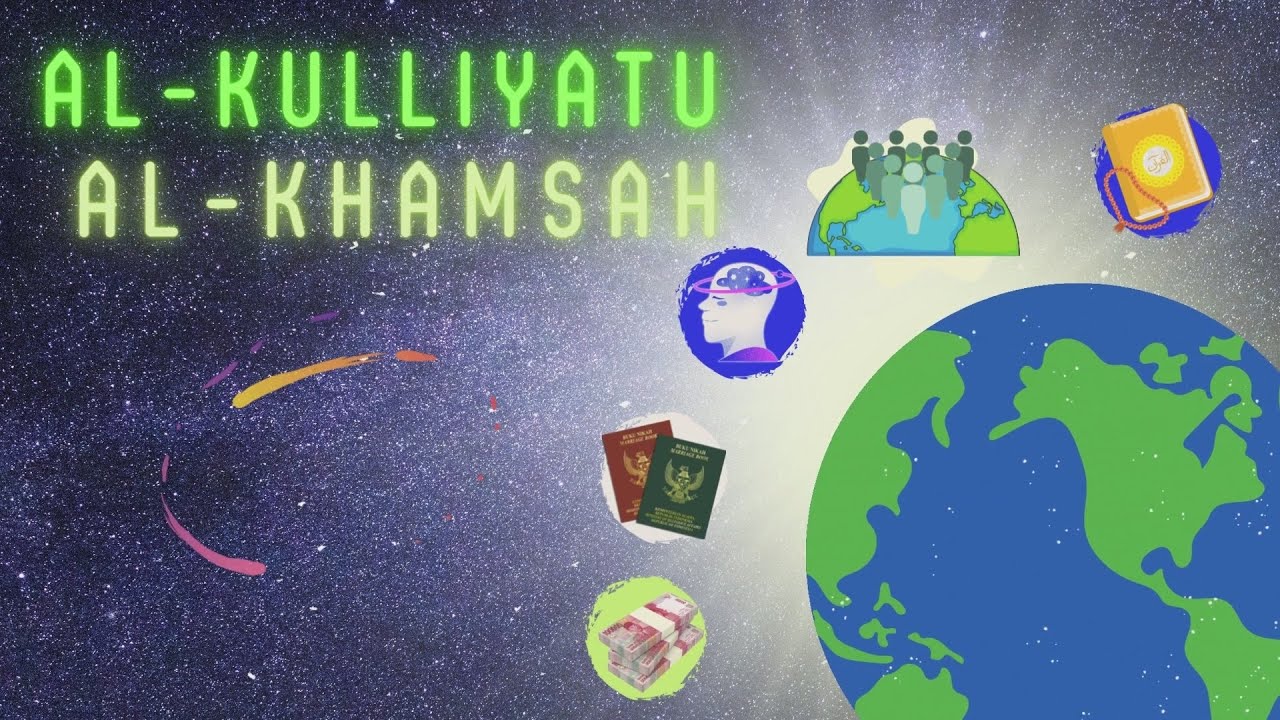
TLDRThis video delves into the core principles of Islamic law, focusing on five universal pillars essential for human welfare: protecting religion, life, intellect, progeny, and wealth. These principles, interconnected and mutually reinforcing, aim to create a just society by promoting good actions while preventing harm. The speaker explores how Islamic law safeguards the sanctity of life, encourages intellectual growth, protects family institutions, and fosters a fair economic system. Ultimately, the video emphasizes the relevance of these timeless principles in modern society, inviting viewers to reflect on their own communities.
Takeaways
- 😀 The foundation of Islamic law is based on five universal principles that protect essential aspects of human life: religion, life, intellect, lineage, and wealth.
- 😀 The main objective of Islamic law is to promote the well-being and prosperity (maslahah) of all people, not to restrict them.
- 😀 The two most fundamental pillars in Islamic law are the protection of religion (hifzun al-din) and the protection of life (hifzun al-nafs), with religion being prioritized.
- 😀 The sanctity of life is emphasized in Islam, with the Quran stating that killing one person is like killing all of humanity, while saving one life is like saving all of humanity.
- 😀 The protection of intellect (hifzun al-aqal) is critical, and it involves both preventing harmful influences (e.g., alcohol) and promoting intellectual growth through education.
- 😀 The protection of lineage (hifzun al-nasl) highlights the importance of the family unit and the preservation of clear ancestry, which is supported by the institution of marriage.
- 😀 Wealth (hifzun al-mal) is safeguarded by encouraging fair and halal work, prohibiting theft, fraud, corruption, and practices like usury (riba).
- 😀 Islamic law encourages a balanced approach, where each pillar has both a promotive (encouraging positive actions) and a preventive (prohibiting harmful actions) aspect.
- 😀 The five pillars are interconnected, where the protection of one pillar supports the protection of others, creating a harmonious and just society.
- 😀 The relevance of these principles is timeless, and they offer a framework for evaluating the fairness and justice of any society, making them universally applicable.
Q & A
What is the central theme of the script?
-The central theme of the script revolves around the concept of 'Al-Qawa’id al-Khamsah' (Five Universal Principles), which are key to the ethical framework of Islamic law. These principles aim to protect fundamental aspects of human life, including religion, life, intellect, lineage, and wealth.
Why is the protection of religion considered the most important principle in Islamic law?
-The protection of religion, or 'Hifzun al-Din', is considered the highest priority in Islamic law because it serves as the foundation for all other principles. The preservation of faith and religious practices is seen as essential for maintaining a morally and ethically grounded society.
What does the concept of 'Hifzun al-Nafs' refer to in the script?
-'Hifzun al-Nafs' refers to the protection of human life. The script highlights the sacredness of life, using the example of a verse from the Quran that equates the killing of one person to the killing of all humanity. It stresses the importance of ensuring the safety and well-being of individuals.
How are the concepts of 'Hifzun al-Din' and 'Hifzun al-Nafs' interconnected?
-The concepts of 'Hifzun al-Din' (protection of religion) and 'Hifzun al-Nafs' (protection of life) are closely interconnected because the practice of religion is essential for the well-being of individuals, and the protection of life allows individuals to engage in religious practices. Both principles work together to maintain societal harmony.
What role does the protection of intellect ('Hifzun al-Aqal') play in Islamic law?
-'Hifzun al-Aqal' refers to the protection and nurturing of human intellect. The script emphasizes that intellect distinguishes humans from other beings, and its protection includes not only avoiding harmful substances (like alcohol) but also actively seeking knowledge and intellectual growth.
Why is marriage emphasized as a key element of protecting lineage ('Hifzun al-Nasl')?
-Marriage is emphasized in the protection of lineage ('Hifzun al-Nasl') because it is considered the proper and honorable means of establishing a family, which is the cornerstone of a healthy society. Ensuring the clarity of lineage through marriage is vital for the continuity of the human race and societal stability.
How does the protection of wealth ('Hifzun al-Mal') align with Islamic values?
-'Hifzun al-Mal' refers to the protection of wealth and material resources. The script highlights the importance of ensuring that individuals can earn a lawful living while preventing unlawful practices such as theft, corruption, and fraud. This principle aims to create a just and equitable economic system.
What is the significance of the concept of 'maslahah' in the context of Islamic law?
-'Maslahah' refers to the overall welfare and well-being of individuals and society. The script explains that Islamic law is designed not to restrict but to promote the welfare of individuals by creating an environment that encourages good practices and discourages harmful ones, ultimately leading to societal prosperity.
How are the five principles applied practically according to the script?
-The five principles are applied through both promotive and preventive measures. For each pillar, there is a call to actively promote good actions (e.g., worship, seeking knowledge, supporting families) and prevent harmful actions (e.g., theft, alcohol, corruption). This dual approach ensures the comprehensive protection of human well-being.
How does the script suggest we evaluate modern society using these principles?
-The script encourages the audience to reflect on whether these five principles are being upheld in today's society. It suggests using the ancient framework of Islamic law as a mirror to evaluate if society is truly just, balanced, and oriented towards the welfare of all individuals.
Outlines

Cette section est réservée aux utilisateurs payants. Améliorez votre compte pour accéder à cette section.
Améliorer maintenantMindmap

Cette section est réservée aux utilisateurs payants. Améliorez votre compte pour accéder à cette section.
Améliorer maintenantKeywords

Cette section est réservée aux utilisateurs payants. Améliorez votre compte pour accéder à cette section.
Améliorer maintenantHighlights

Cette section est réservée aux utilisateurs payants. Améliorez votre compte pour accéder à cette section.
Améliorer maintenantTranscripts

Cette section est réservée aux utilisateurs payants. Améliorez votre compte pour accéder à cette section.
Améliorer maintenantVoir Plus de Vidéos Connexes

Al Kulliyatu Al Khamsah atau Maqoshid Syariah (Materi PAI Kelas 10 Kurikulum Merdeka)
Al Kulliyatu Al Khamsah

Apakah Islam Itu Penting? 5 Pokok Maqhasid Syariah - Ustadz Adi Hidayat

Maqosid Syariah

Materi kelas X - Bab IX: Menerapkan Al-Kulliyatul Al-Khamsah dalam Kehidupan Sehari-hari

Al-Kulliyatul al-Khamsah
5.0 / 5 (0 votes)

