WELDING DEFECTS- Porosity, cracks, undercut, lack of fusion, arc strike, underfill, LOF
Summary
TLDRThis audio segment is dominated by energetic musical interludes, punctuated by brief, spontaneous vocal reactions such as 'nu,' 'de,' and 'oh nee.' The sparse spoken phrases provide emphasis and a sense of live interaction, while the continuous music drives the atmosphere. Overall, the script conveys a dynamic and playful auditory experience, where music takes center stage and the occasional exclamations create a sense of immediacy and engagement, immersing listeners in the rhythm and flow of the performance.
Takeaways
- 🎵 The transcript predominantly features music segments, indicated by repeated '[Muziek]' markers.
- ⏱️ There are frequent transitions, shown by interjections like 'nu' and 'de', suggesting changes in tempo or emphasis.
- 😮 Short exclamations like 'oh' and 'oh nee' indicate moments of surprise or emotional expression during the music.
- 🎶 The repetitive pattern of music and interjections suggests a looping or rhythmic structure in the performance.
- 💡 The minimal spoken words imply that the piece is largely instrumental, with occasional human commentary or reaction.
- 🎤 Words interspersed with music may reflect improvisation or spontaneous interaction with the performance.
- 📌 The pacing alternates between musical segments and brief vocal cues, creating dynamic variation.
- 🔊 '[Muziek]' placeholders represent musical highlights or key points in the audio content.
- 🌀 The overall transcript conveys an experiential and immersive audio sequence rather than a narrative story.
- 🎹 The combination of music and brief exclamations suggests a casual or informal recording environment, possibly a rehearsal or live session.
Q & A
What is the significance of the word 'muziek' in the transcript?
-The word 'muziek' is Dutch for 'music'. It appears repetitively in the transcript, possibly to emphasize the central theme or focus of the piece, which seems to be music.
Why is the repetition of 'muziek' important in the script?
-The repetition of 'muziek' may be used to reinforce the theme of music or to create a rhythmic, musical flow in the script, reflecting the nature of a musical performance or experience.
What might the expression 'oh nee, oh' represent?
-The phrase 'oh nee, oh' translates to 'oh no, oh' in English. This could be an expression of surprise, frustration, or emotion in response to the music or an event happening in the narrative.
Is there any specific meaning behind the use of 'nu' (now) in the transcript?
-'Nu' means 'now' in Dutch. Its repetition could indicate a shift in time or emphasize the immediacy of a moment, perhaps suggesting a change in the mood or pace of the music.
How does the script convey emotion through its content?
-The repetition of phrases like 'oh nee' (oh no) combined with the rhythmic presence of 'muziek' suggests an emotional reaction to the music or a dramatic moment, likely intended to evoke a strong emotional response from the audience.
What role does the music play in the script?
-Music appears to be the central theme, perhaps representing a background element that influences the emotional tone or narrative progression. The repeated mention of music could be a deliberate attempt to emphasize its importance in the scene.
What could the absence of detailed dialogue suggest about the script's focus?
-The lack of detailed dialogue in the script suggests that the focus is on the atmosphere, mood, or music rather than on verbal communication. This may indicate a more abstract or experiential form of storytelling.
How does the phrase 'oh nee, oh' enhance the mood of the script?
-The phrase 'oh nee, oh' adds an element of distress or surprise, which could contrast with or complement the music's tone. It heightens the emotional impact of the script, making it more dynamic.
What could 'de' (the) imply when used in this script?
-In Dutch, 'de' is a definite article meaning 'the'. Its use in the script might point to specific elements or references in the music or narrative that are pivotal to the scene, even if these are not explicitly detailed.
How might the repetitive nature of the script mirror the structure of the music?
-The repetitive use of words like 'muziek' and 'nu' could mirror the repetitive or looping patterns often found in music, especially in genres that emphasize rhythm, melody, or thematic repetition.
Outlines

Cette section est réservée aux utilisateurs payants. Améliorez votre compte pour accéder à cette section.
Améliorer maintenantMindmap

Cette section est réservée aux utilisateurs payants. Améliorez votre compte pour accéder à cette section.
Améliorer maintenantKeywords

Cette section est réservée aux utilisateurs payants. Améliorez votre compte pour accéder à cette section.
Améliorer maintenantHighlights

Cette section est réservée aux utilisateurs payants. Améliorez votre compte pour accéder à cette section.
Améliorer maintenantTranscripts

Cette section est réservée aux utilisateurs payants. Améliorez votre compte pour accéder à cette section.
Améliorer maintenantVoir Plus de Vidéos Connexes

TARI MAHESWARA SWANTANTRA ANJUK LADANG

ENGLISH 10 | 2nd PERIODICAL TEST with ANSWER KEY

KEUTAMAAN MEMBACA AL QUR'AN
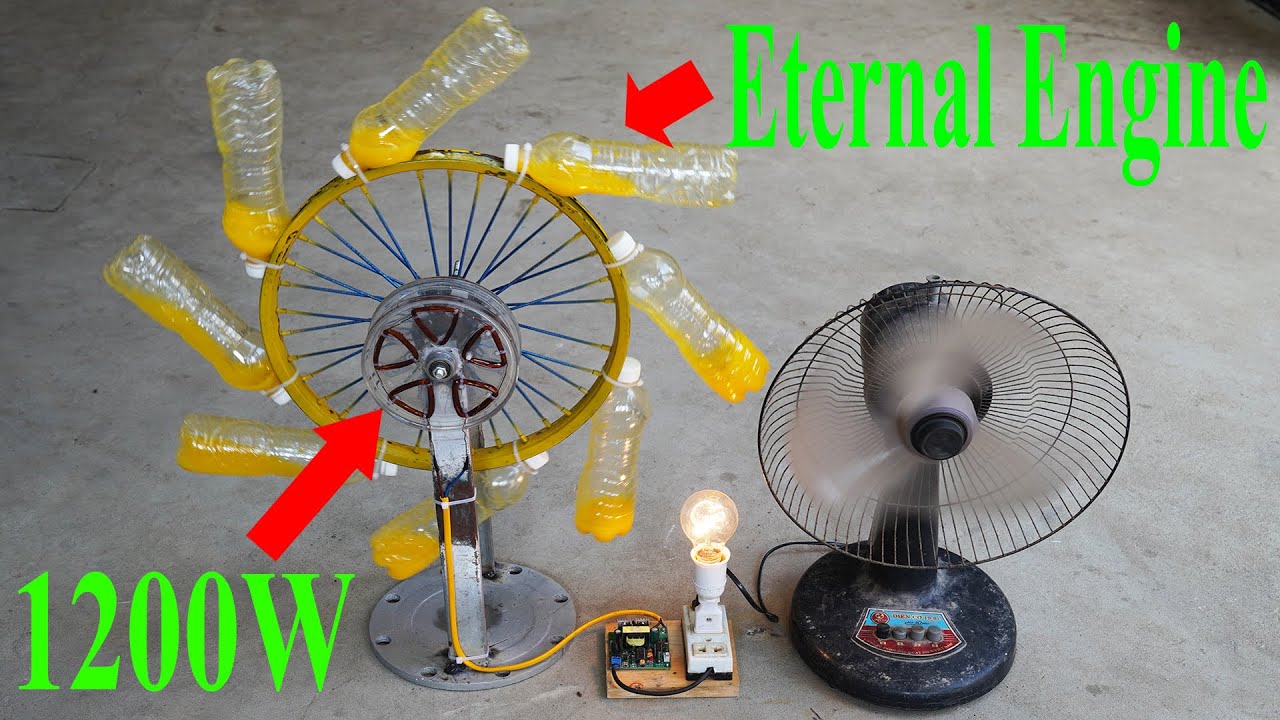
Transforming a Perpetual Motion Machine into a Power Generator Free
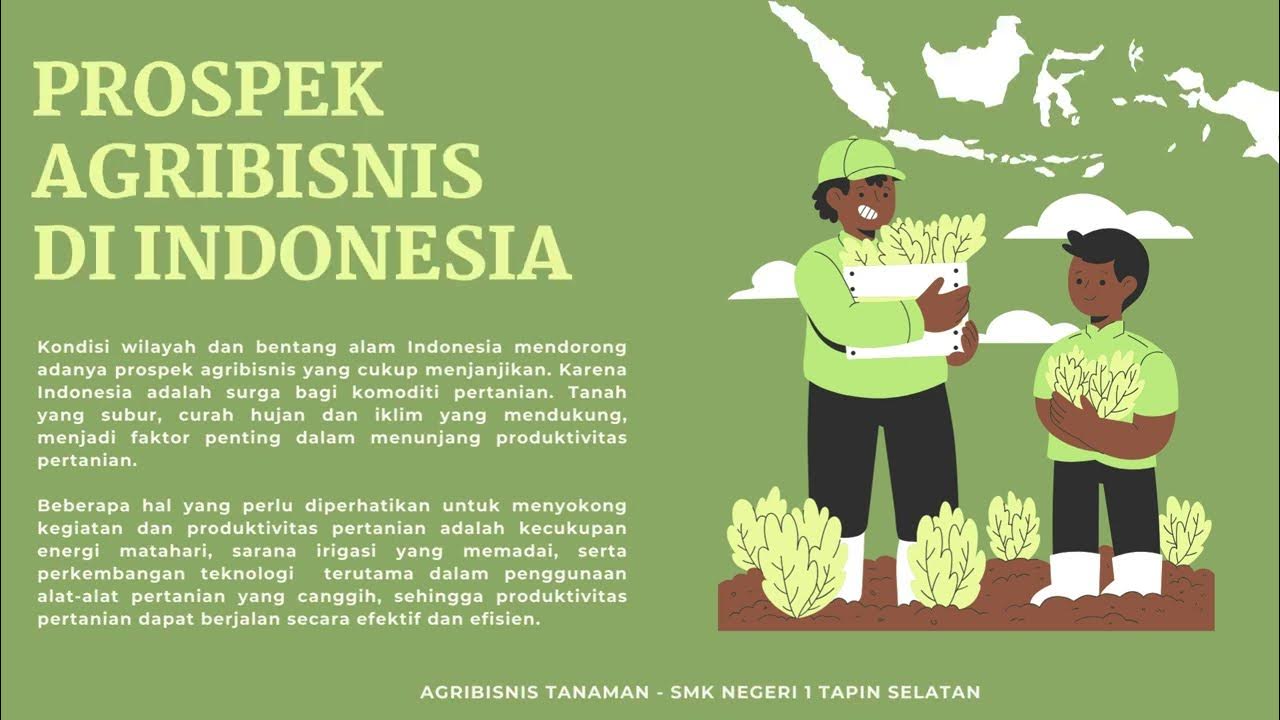
PROSPEK AGRIBISNIS - PROSES BISNIS PADA AGRIBISNIS TANAMAN - DASAR-DASAR AGRIBISNIS TANAMAN

Materi Sosiologi SMA Kelas 12 Globalisasi dan Perubahan Komunitas Lokal (Kurikulum 2013 Revisi)
5.0 / 5 (0 votes)

