Is the Faraizi Movement a Movement of Religious Prejudice?
Summary
TLDRThe script delves into the history of India's struggle against British colonialism, focusing on key resistance movements in regions like Bengal and Rajasthan. It highlights significant events, including protests against landowners and British officials, and the role of figures like Azad Pandey and others. The script also touches on the impact of Muslim, Bengali, and rural communities in shaping these movements. Through music and speeches, the narrative explores the cultural and socio-political upheaval of the time, emphasizing the deep-rooted patriotism and the resistance to British rule.
Takeaways
- 🇮🇳 The video discusses historical movements and social changes in India during British rule, highlighting resistance and activism.
- 📜 It mentions the oppression and exploitation faced by Bengali Muslims under colonial authorities and local landlords.
- ✊ Various regional movements and protests are described, including those in Shekhawati, Dharmapur, and other areas.
- 🎶 Music and cultural references are interwoven, reflecting the spirit and morale of people during these movements.
- 👥 Leadership figures like Azad Pandey and local organizers played key roles in mobilizing peasants and common people.
- 🌾 Peasant revolts and anti-landlord demonstrations were prominent, particularly against neel (indigo) cultivation and landlord exploitation.
- ⚖️ The British government and local landlords often used intimidation and legal action to suppress dissent.
- 🏫 Educational institutions like Gorakhpur University are mentioned in the context of social awareness and political engagement.
- 🕌 Religious and cultural contexts, including Islamic practices and community involvement, are referenced alongside political activism.
- 💪 The overarching theme emphasizes social transformation, self-liberation, and the fight for justice against colonial and feudal oppression.
Q & A
What historical context does the script refer to?
-The script refers to the period of British colonial rule in India, highlighting the resistance movements, particularly from the Muslim and Bengali communities against British exploitation.
Which regions or locations are mentioned in the transcript?
-The transcript mentions regions such as Faridpur, Pabna, Rajshahi, Jessore, Murshidabad, Nadia, and Gorakhpur, with a focus on the resistance and cultural movements in these areas.
What role did Muslims play in the resistance movement mentioned?
-Muslims, particularly in the Bengal region, are described as being active participants in the resistance against British rule, notably through protests and anti-colonial activities.
What are the references to music and performance in the transcript about?
-The musical references suggest that cultural expressions like music and performance were integral parts of the social and political movements of the time, providing a form of resistance and solidarity.
What was the role of landlords (zamindars) in the narrative?
-Landlords (zamindars) are portrayed as key figures in the social structure, with some of them opposing British rule. They are shown as engaged in resistance movements alongside peasants and the broader community.
What does the script indicate about the role of Shadheen and Krishak protests?
-The script mentions Shadheen (freedom) and Krishak (peasant) protests, emphasizing the importance of agrarian resistance in the struggle against British economic policies, particularly regarding land and resources.
How does the script describe the resistance against British economic exploitation?
-The script highlights a range of protests, particularly against the exploitation of land and resources by British authorities, as well as the harsh economic conditions that pushed local populations into rebellion.
What is the significance of the references to Shahid and Shahid speeches?
-Shahid refers to martyrs who died in the struggle for independence. The speeches of these martyrs are significant in the script as they embody the spirit of sacrifice and the fight for freedom against British oppression.
What was the importance of the Nellikore movement?
-The Nellikore movement is depicted as a significant peasant uprising, where locals, led by figures like Nellikore Sahib, resisted British policies, particularly those related to land taxation and exploitation by foreign landlords.
What role did rural areas play in the independence movement described in the transcript?
-Rural areas, particularly those involved in agricultural production, played a pivotal role in the independence movement. They were centers of protest and resistance, with peasants and local leaders challenging both British policies and the dominance of landlords.
Outlines

Cette section est réservée aux utilisateurs payants. Améliorez votre compte pour accéder à cette section.
Améliorer maintenantMindmap

Cette section est réservée aux utilisateurs payants. Améliorez votre compte pour accéder à cette section.
Améliorer maintenantKeywords

Cette section est réservée aux utilisateurs payants. Améliorez votre compte pour accéder à cette section.
Améliorer maintenantHighlights

Cette section est réservée aux utilisateurs payants. Améliorez votre compte pour accéder à cette section.
Améliorer maintenantTranscripts

Cette section est réservée aux utilisateurs payants. Améliorez votre compte pour accéder à cette section.
Améliorer maintenantVoir Plus de Vidéos Connexes
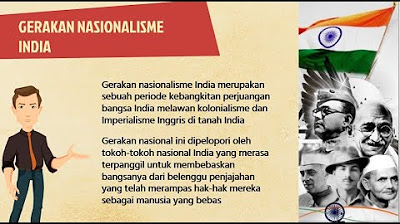
SEJARAH LAHIRNYA GERAKAN NASIONALISME INDIA | Materi Sejarah XI SMA/MA

Veerbala || Best Short Film of Rajasthan Award Winning || MKPP || True unsung hero freedom fighter
IGNOU MA SOCIOLOGY & POL. SCIENCE || MPS -03 India : Democracy & Development || UNIT -1(Part-1)

Why wasn't Ethiopia Colonized?

Perlawanan Terhadap Belanda (Part 1)

Materi PAI 11: Peradaban Islam pada Masa Modern@ Kurmer
5.0 / 5 (0 votes)

