BAKTERI GRAM POSITIF DAN BAKTERI GRAM NEGATIF
Summary
TLDRThis video explains the differences between Gram-positive and Gram-negative bacteria. It covers key characteristics such as cell wall structure, shape, metabolism, motility, and spore formation. Gram-positive bacteria have thick, homogenous cell walls made of peptidoglycan, while Gram-negative bacteria have a more complex, layered structure. The video also touches on how these bacteria reproduce, metabolize, and move, as well as their ability to form endospores. The presentation aims to clarify these concepts and invites viewers to engage with questions and comments.
Takeaways
- 🧫 Gram staining is a method developed by H. Christian Gram to classify bacteria based on cell wall structure and their reaction to chemical dyes.
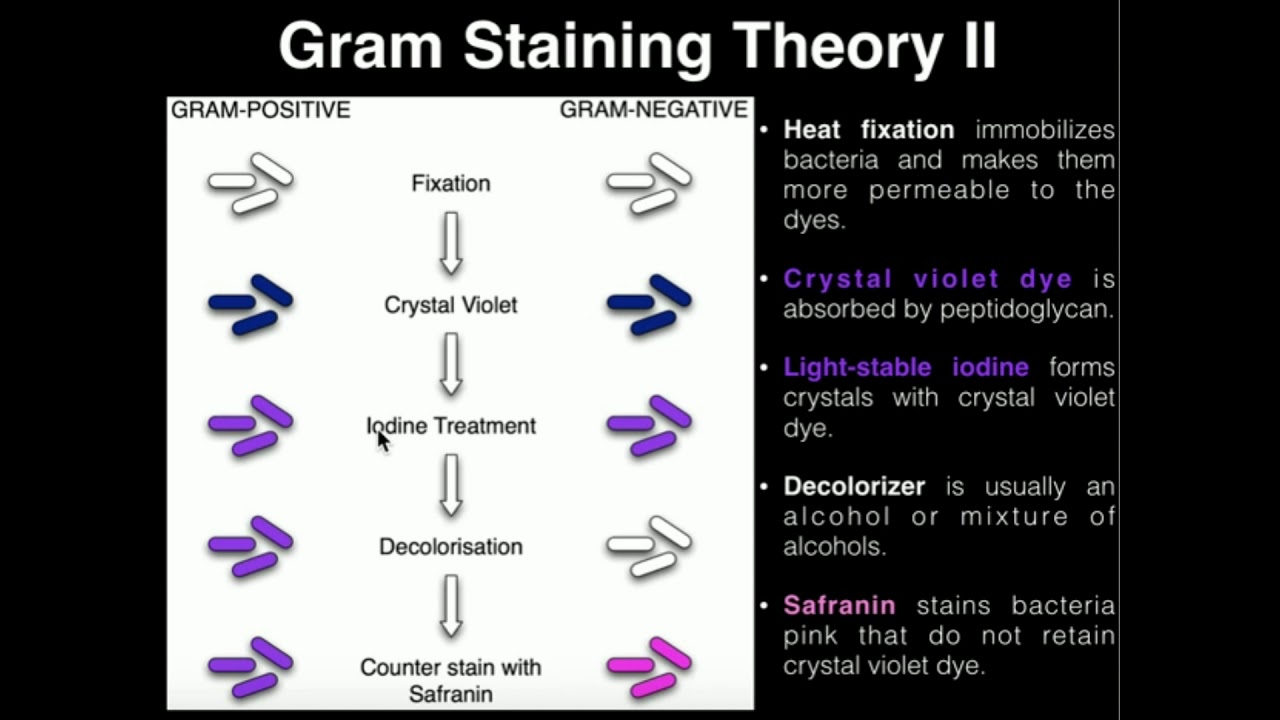
- 🔵 Gram-positive bacteria retain the crystal violet dye and appear blue or purple under a microscope.
- 🔴 Gram-negative bacteria do not retain crystal violet dye and appear red when observed under a microscope.
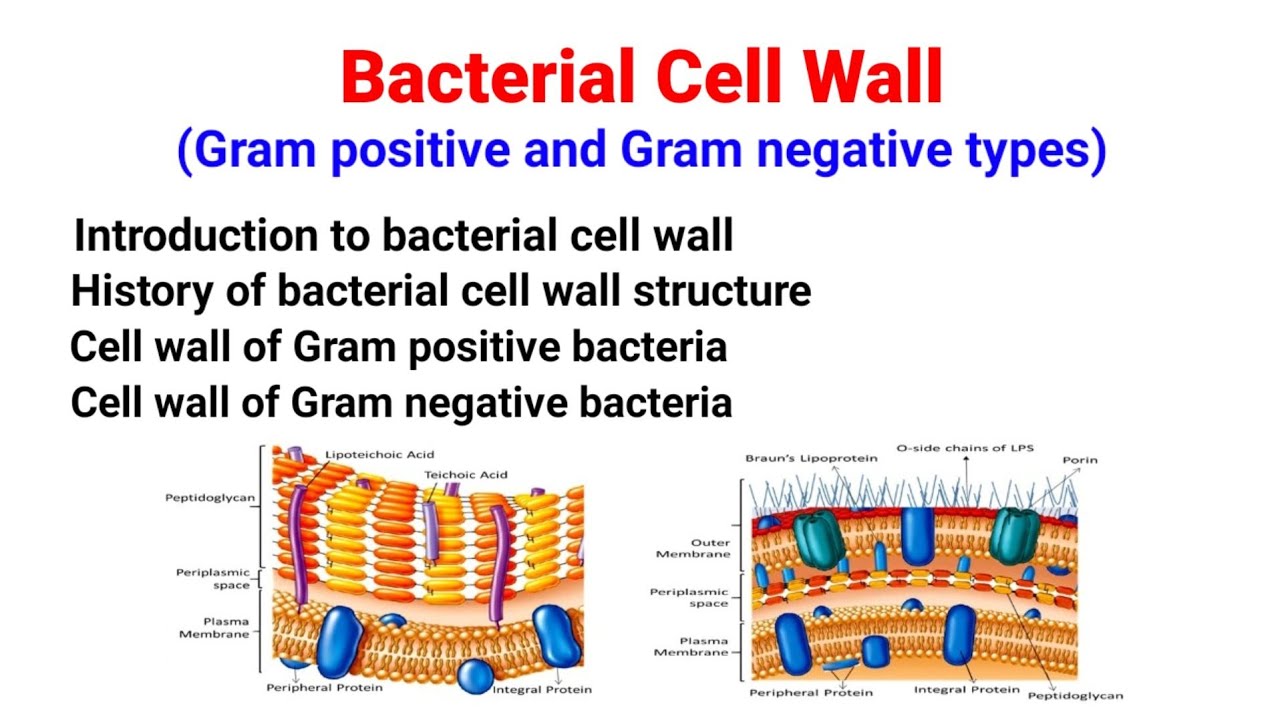
- 🏗️ Gram-positive bacteria have a thick, homogeneous cell wall composed mainly of peptidoglycan (~90%) with some teichoic acids.
- 🏗️ Gram-negative bacteria have a more complex cell wall with three layers: outer membrane (lipopolysaccharides), peptidoglycan layer, and inner membrane.
- ⚖️ Shapes differ: Gram-positive bacteria can be spherical, rod-shaped, or filamentous, while Gram-negative bacteria can be spherical, oval, straight rods, comma-shaped, helix, or filamentous.
- 🔄 Both Gram-positive and Gram-negative bacteria reproduce through binary fission.
- 🍃 Gram-positive bacteria are chemoorganoheterotrophs (require organic compounds for carbon and energy), while Gram-negative bacteria can be phototrophs, chemolithotrophs, or chemoorganoheterotrophs.
- 🏃 Motility varies: Gram-positive bacteria are mostly non-motile but can have flagella (peritrichous type), while Gram-negative bacteria can have polar, lophotrichous, or peritrichous flagella.
- 💀 Endospore formation occurs only in some Gram-positive bacteria (e.g., Bacillus, Clostridium) as a survival mechanism, and Gram-negative bacteria cannot form endospores.
Q & A
What is the primary method used to classify bacteria into Gram-positive and Gram-negative?
-Bacteria are classified based on their cell wall structure and how they retain a dye called crystal violet during the Gram staining process. Gram-positive bacteria retain the crystal violet stain, while Gram-negative bacteria do not.
What color do Gram-positive and Gram-negative bacteria appear when observed under a microscope after Gram staining?
-Gram-positive bacteria appear blue or purple under the microscope, while Gram-negative bacteria appear red.
What are the key differences in the cell wall structure of Gram-positive and Gram-negative bacteria?
-Gram-positive bacteria have a thick, homogeneous cell wall made mostly of peptidoglycan, with a single plasma membrane. Gram-negative bacteria have a more complex, multi-layered cell wall consisting of an outer membrane, a periplasmic space, and a thin peptidoglycan layer.
What types of bacteria can form endospores, and why are they important?
-Only Gram-positive bacteria, such as Bacillus and Clostridium, can form endospores. Endospores are resistant to harsh environmental conditions, such as heat, dehydration, and chemicals, allowing the bacteria to survive unfavorable conditions.
How does the metabolic process differ between Gram-positive and Gram-negative bacteria?
-Gram-positive bacteria are typically chemoorganoheterotrophic, meaning they require organic compounds for growth. Gram-negative bacteria can be photoautotrophic, chemolithotrophic, or chemoorganoheterotrophic, allowing them to use light or inorganic chemicals as energy sources in addition to organic compounds.
What is the role of the outer membrane in Gram-negative bacteria?
-The outer membrane of Gram-negative bacteria acts as a protective barrier, preventing harmful substances from entering the cell. It also contains lipopolysaccharides, which play a role in immune response and bacterial virulence.
What are the different types of flagella arrangements found in Gram-negative bacteria?
-Gram-negative bacteria can have different types of flagella arrangements, including polar (one or more flagella at one or both poles), lophotrichous (multiple flagella at one end), and peritrichous (flagella distributed over the entire surface).
Do both Gram-positive and Gram-negative bacteria reproduce in the same way?
-Yes, both Gram-positive and Gram-negative bacteria reproduce via binary fission, where a single bacterial cell divides into two identical daughter cells.
What is the function of peptidoglycan in the bacterial cell wall?
-Peptidoglycan provides structural support and rigidity to the bacterial cell wall, helping the bacteria maintain its shape and protect against osmotic pressure.
How does the ability to form endospores benefit Gram-positive bacteria in harsh environments?
-Endospores allow Gram-positive bacteria to survive extreme conditions such as high temperatures, dryness, and exposure to chemicals. They act as a dormant, protective form that can revive when environmental conditions improve.
Outlines

Cette section est réservée aux utilisateurs payants. Améliorez votre compte pour accéder à cette section.
Améliorer maintenantMindmap

Cette section est réservée aux utilisateurs payants. Améliorez votre compte pour accéder à cette section.
Améliorer maintenantKeywords

Cette section est réservée aux utilisateurs payants. Améliorez votre compte pour accéder à cette section.
Améliorer maintenantHighlights

Cette section est réservée aux utilisateurs payants. Améliorez votre compte pour accéder à cette section.
Améliorer maintenantTranscripts

Cette section est réservée aux utilisateurs payants. Améliorez votre compte pour accéder à cette section.
Améliorer maintenantVoir Plus de Vidéos Connexes
Microbiology: Gram Staining

The Gram Stain (Gram-Positive vs Gram-Negative) and Bacterial Structure | Microbiology 🧫

Kingdom Monera: Struktur Sel Bakteri Dinding Sel| Biologi | Alternatifa

GRAM POSITIVE VS GRAM NEGATIVE BACTERIA

Introduction To Microbiology
Bacterial Cell Wall | Gram positive & Gram negative bacteria cell wall| Structure|Salient features|
5.0 / 5 (0 votes)

