DESVENDANDO OS MISTÉRIOS DO HINDUÍSMO: Uma Jornada pela História e Filosofia Milenares
Summary
TLDRHinduism, also known as Sanatan Dharma, is an ancient and diverse spiritual tradition rooted in the Indian subcontinent, emphasizing eternal principles and universal truths. It encompasses a rich tapestry of beliefs, from monotheism to polytheism, guided by sacred texts like the Vedas, Upanishads, Mahabharata, Ramayana, and Bhagavad Gita. Central concepts include Dharma (duty), Karma (action), Atman (self), and Brahman (universal essence), with practices aimed at self-realization and liberation from the cycle of rebirth. Hinduism integrates philosophy, ritual, devotion, and festivals such as Diwali, offering a holistic path for understanding the self, the cosmos, and the divine in everyday life.
Takeaways
- 🕉️ Hinduism is one of the world’s oldest spiritual traditions, deeply rooted in the history and culture of the Indian subcontinent and often referred to by its followers as Sanatan Dharma, meaning the 'eternal order' or 'eternal path.'
- 🌏 The term 'Hinduism' originally came from the word 'Sindhu,' referring to people living beyond the Indus River, but the tradition itself evolved organically over thousands of years without a single founder or defined starting point.
- 🔱 Hinduism is highly diverse and flexible, allowing multiple theological interpretations including monotheism, polytheism, pantheism, and henotheism depending on how devotees understand the divine.
- 📜 The foundational sacred texts of Hinduism are the Vedas, composed roughly between 1500 and 500 BCE, which include hymns, rituals, philosophical teachings, and explorations of the nature of reality.
- 📚 Other important Hindu texts include the Upanishads, the Mahabharata, the Ramayana, the Puranas, the Yoga Sutras, and the Bhagavad Gita, which provide narratives, spiritual teachings, and practical guidance for living.
- 🧠 A central philosophical idea in Hinduism is the unity between Atman (the individual soul) and Brahman (the ultimate universal reality), and realizing this unity is the goal of spiritual practice.
- ♻️ The religion teaches that individuals are bound by karma (actions and consequences) and the cycle of rebirth known as samsara, from which liberation (moksha) can be achieved through spiritual realization.
- 🌫️ Maya, or the illusion of separateness in the physical world, is considered the main cause of human suffering, and overcoming this illusion leads to enlightenment.
- ⚖️ Dharma refers to an individual’s duty, purpose, or moral responsibility in life, and fulfilling one’s dharma in alignment with karma helps individuals move toward spiritual realization.
- 🧬 Hindu philosophy explains human behavior through three fundamental qualities called the gunas: sattva (clarity and harmony), rajas (passion and activity), and tamas (ignorance and inertia).
- 🏛️ The historical development of Hinduism is connected to ancient civilizations such as the Indus Valley Civilization and later the Vedic culture introduced by Indo-Aryan tribes.
- 👥 The caste or varna system, later formalized in texts like the Laws of Manu, was associated with social duties and responsibilities linked to dharma, though it is often misunderstood historically.
- 🕯️ Hindu religious practice includes rituals such as puja (devotional worship) and darshan (sacred viewing of a deity’s image) performed in temples and homes.
- 🪔 Major festivals like Diwali, the Festival of Lights, celebrate the victory of light over darkness and emphasize devotion, gratitude, generosity, and spiritual renewal.
- 🌟 Overall, Hinduism is not only a religion but a comprehensive philosophy and way of life that emphasizes self-knowledge, moral duty, and the recognition of divine unity in all existence.
Q & A
What does the term 'Hinduism' mean and where does it originate from?
-The term 'Hinduism' is derived from the Sanskrit word 'Sindus,' referring to the people who lived beyond the Indus River. However, followers of the faith prefer to identify it as 'Sanatan Dharma,' meaning 'eternal order' or 'perpetual path,' reflecting their belief in the timeless and universal nature of its principles.
How does Hinduism differ from monotheistic religions?
-Hinduism is diverse and can be interpreted in multiple ways. Some view it as monotheistic, recognizing one Supreme God, while others see it as polytheistic due to the worship of various deities and avatars of the supreme entity, Brahman. It also allows for interpretations where the Divine is perceived as immanent in everything.
What is the role of the Vedas in Hinduism?
-The Vedas are the foundational scriptures of Hinduism, dating back to the Vedic period (approximately 1500–500 BCE). They encompass a wide range of texts, including the Samhitas, Aranyakas, Brahmanas, and Upanishads, which offer deep insights into the nature of reality and the individual's spiritual journey.
What is the significance of the concept of 'Dharma' in Hinduism?
-Dharma is a core concept in Hinduism, referring to the individual's duty or purpose in life. Each person has a unique Dharma that aligns with their nature and circumstances. Fulfilling one's Dharma leads to self-realization and spiritual liberation.
How does Hinduism view the cycle of life and death?
-Hinduism teaches that life is a cycle of birth, death, and rebirth, known as samsara. The ultimate goal is to transcend this cycle through self-realization and liberation (moksha), breaking free from the illusion of duality (maya) that causes suffering.
What is the role of 'Karma' in Hindu philosophy?
-Karma refers to the principle of cause and effect, where every action has consequences. The actions performed in one life affect future lives, and individuals aim to accumulate good karma through righteous actions aligned with their Dharma.
What is the relationship between Atman and Brahman in Hinduism?
-Atman refers to the individual soul, while Brahman is the Supreme, Universal Soul. Hinduism teaches that Atman is intrinsically connected to Brahman, and realizing this unity leads to spiritual enlightenment and liberation.
How does Hinduism approach the concept of 'Maya'?
-Maya is the illusion or ignorance that causes individuals to perceive a false sense of duality and separation from the Divine. In Hinduism, transcending Maya is essential for spiritual awakening, as it leads to the realization of the unity of all existence.
What are the three Gunas and their role in Hindu philosophy?
-The three Gunas—Sattva, Rajas, and Tamas—represent qualities inherent in all beings. Sattva is associated with clarity, goodness, and enlightenment; Rajas with passion and activity; and Tamas with ignorance and inertia. Understanding and balancing these qualities helps individuals align with their Dharma.
What is the significance of the 'Bhagavad Gita' in Hinduism?
-The Bhagavad Gita is a revered scripture in Hinduism where Lord Krishna instructs the prince Arjuna on the nature of Dharma, life, death, and spiritual awakening. It emphasizes the importance of performing one's duty and finding the path of devotion, knowledge, and action in achieving liberation.
Outlines

Cette section est réservée aux utilisateurs payants. Améliorez votre compte pour accéder à cette section.
Améliorer maintenantMindmap

Cette section est réservée aux utilisateurs payants. Améliorez votre compte pour accéder à cette section.
Améliorer maintenantKeywords

Cette section est réservée aux utilisateurs payants. Améliorez votre compte pour accéder à cette section.
Améliorer maintenantHighlights

Cette section est réservée aux utilisateurs payants. Améliorez votre compte pour accéder à cette section.
Améliorer maintenantTranscripts

Cette section est réservée aux utilisateurs payants. Améliorez votre compte pour accéder à cette section.
Améliorer maintenantVoir Plus de Vidéos Connexes

सनातन धर्म का रहस्य | जिनके बारे में जानकर आपका दिमाग हिल जाएगा । Sanatana Dharma #शब्दबाण

Vad är grejen med hinduism?
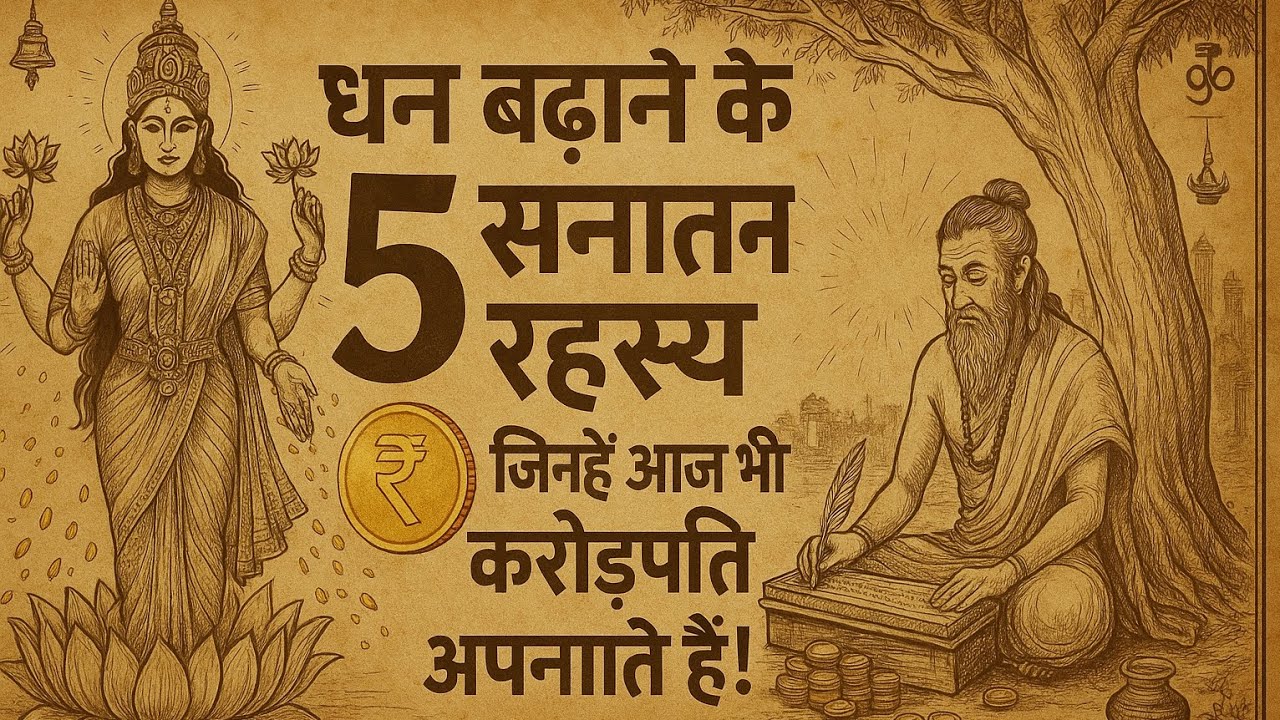
"5 Ancient Sanatan Dharma Wealth Secrets – Still Used by Millionaires Today"

Sejarah India Hindu (Bahasa Indonesia Subtitles)

Is Premarital Sex allowed in Hinduism? | क्या यौन सुख अपराध है ? | EP-14
गोस्वामी श्रीतुलसीदास जी चरित्र ll भाग 9 ll Bhaktmal Gaatha Tv Serial ll Swami Karun Dass Ji Maharaj
5.0 / 5 (0 votes)

