איך ללמוד ערבית? האם ללמוד ספרותית? או מדוברת?
Summary
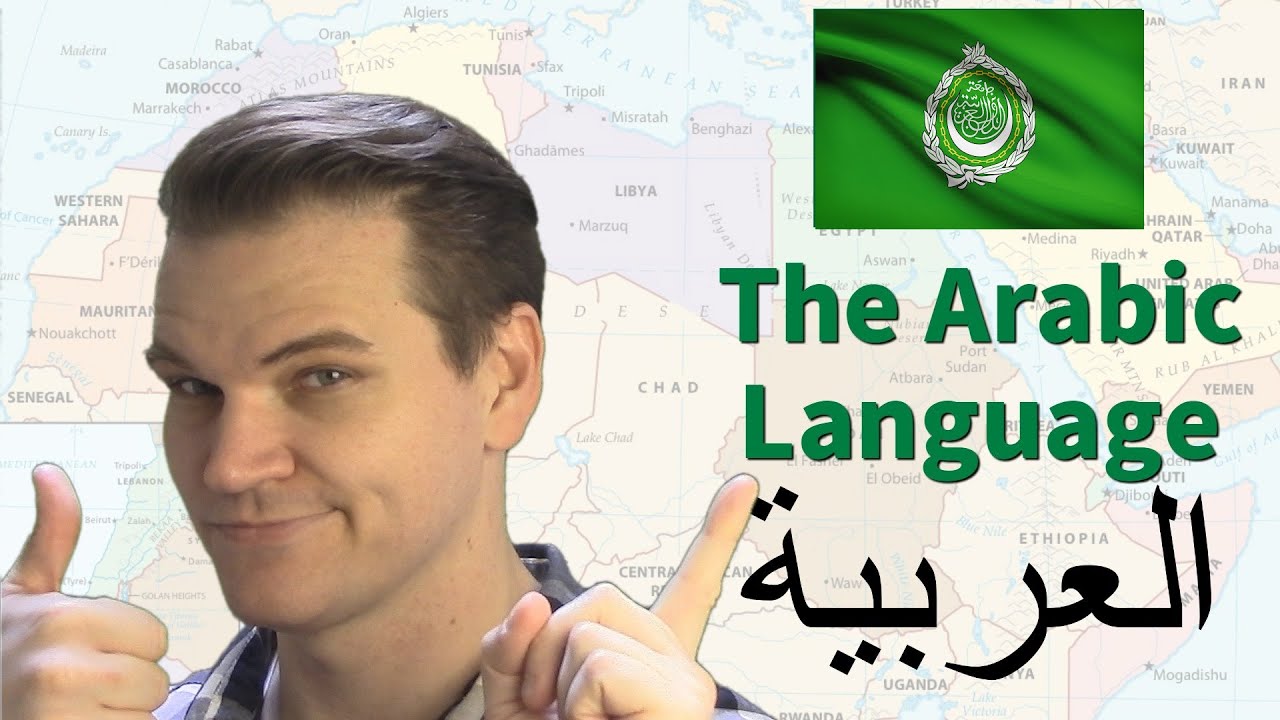
TLDRIn this talk, the speaker addresses the importance of learning Arabic and the differences between Modern Standard Arabic (MSA) and various Arabic dialects. While MSA is universally understood across the Arab world and crucial for reading, literature, and formal communication, the speaker emphasizes that dialects differ greatly from region to region, such as Egyptian, Levantine, and Gulf Arabic. The speaker recommends learning MSA first as a foundation, followed by a specific dialect of interest, drawing on military intelligence training methods. The talk highlights the significance of understanding MSA for comprehensive language learning.
Takeaways
- 😀 Many people are eager to learn Arabic, but there is confusion about whether to study literary (MSA) or spoken dialects.
- 📚 Literary Arabic (MSA) is standardized across the Arab world and is understood from Morocco to Iraq.
- 📰 MSA is essential for reading newspapers, books, websites, and for understanding media and legal texts.
- 🗣️ Spoken dialects vary greatly between regions, making mutual understanding between dialects sometimes difficult.
- 🌍 There are five main dialect families: North Africa, Egypt/Sudan, Arabian Peninsula, Levant/Palestinian, and Iraqi/Kuwait.
- 🔤 Within each dialect family, there are sub-variations, making local communication unique and challenging.
- 🎬 Egyptian Arabic is widely understood due to popular films, but speaking it may not always ensure full understanding from others.
- 📖 The recommended method is to first master literary Arabic before learning any specific dialect.
- 🛡️ Professional institutions like military intelligence teach dialects only after students have strong literary Arabic skills.
- 💡 Dialects are evolutionary adaptations of literary Arabic, so a solid foundation in MSA facilitates learning any dialect.
- ✍️ Learning Arabic requires dedication, structured study, and consistent practice to achieve both comprehension and communication skills.
- ✅ Starting with literary Arabic allows for broader access to cultural, political, and legal content across the Arab world.
Q & A
Why is it important for Israelis to learn Arabic?
-It is important because many Israelis do not know Arabic, and understanding it can help in communication, accessing media, political materials, and literature in the Arab world.
What are the main differences between Modern Standard Arabic (MSA) and spoken Arabic dialects?
-MSA is a standardized form of Arabic that is understood across the Arab world, from Morocco to Iraq. It is used in writing, media, and formal contexts. In contrast, spoken dialects vary greatly depending on the region, with distinct variations even within countries.
Can you provide an example of regional variations in Arabic dialects?
-Yes, for example, the word for 'camel' in Egyptian Arabic is 'gamal' (جمل), while in MSA it is 'jamal'. This demonstrates how even basic vocabulary can differ across dialects.
Why is it difficult to communicate in spoken Arabic across different regions?
-The spoken dialects vary so much that a person from one region may struggle to understand someone from another, even if both are speaking Arabic. For instance, a Moroccan speaker may have difficulty communicating with someone from Iraq.
What is the recommended approach to learning Arabic according to the speaker?
-The speaker suggests learning Modern Standard Arabic first because it forms the foundation for understanding different dialects. Once MSA is mastered, learners can then focus on a specific dialect, such as Palestinian, Syrian, or Egyptian.
How is Arabic taught in intelligence units like military intelligence?
-In intelligence units, Arabic is taught starting with MSA to ensure a strong grasp of the language. Afterward, dialects are taught, focusing on the specific needs of the unit, and MSA serves as a foundation.
Why does the speaker recommend learning MSA before a dialect?
-Learning MSA provides a deeper understanding of the Arabic language as a whole, and since all dialects derive from MSA, it gives learners the ability to comprehend various dialects more effectively.
What are the challenges of speaking Modern Standard Arabic in everyday situations?
-Speaking MSA in informal settings can sound unnatural or odd because it is primarily used for formal communication. Most people in the Arab world speak dialects in daily conversations, so using MSA in casual situations might make one appear out of place.
How long does it take to learn Arabic in military training programs?
-In military intelligence training, learning Arabic takes about four months, with the first month or five weeks dedicated to learning MSA before moving on to dialects.
What makes Egyptian Arabic widely understood across the Arab world?
-Egyptian Arabic is widely understood because of the popularity of Egyptian movies and television shows, which have made the dialect familiar to many across the Arab world.
Outlines

Cette section est réservée aux utilisateurs payants. Améliorez votre compte pour accéder à cette section.
Améliorer maintenantMindmap

Cette section est réservée aux utilisateurs payants. Améliorez votre compte pour accéder à cette section.
Améliorer maintenantKeywords

Cette section est réservée aux utilisateurs payants. Améliorez votre compte pour accéder à cette section.
Améliorer maintenantHighlights

Cette section est réservée aux utilisateurs payants. Améliorez votre compte pour accéder à cette section.
Améliorer maintenantTranscripts

Cette section est réservée aux utilisateurs payants. Améliorez votre compte pour accéder à cette section.
Améliorer maintenantVoir Plus de Vidéos Connexes




5.0 / 5 (0 votes)

