Interfaith | Pentingnya Dialog Lintas Agama Demi Terciptanya Toleransi
Summary
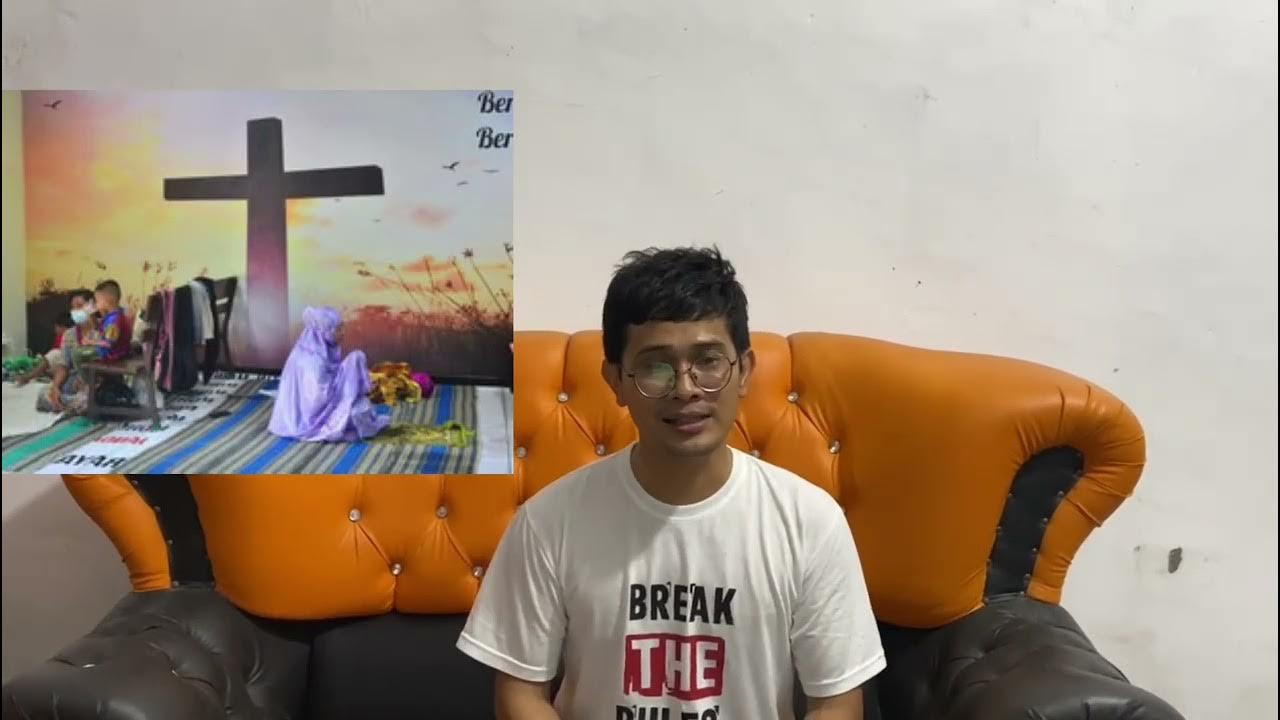
TLDRIn this insightful discussion, Pak Martin explores the importance of interfaith dialogue, tolerance, and understanding in Indonesia’s diverse society. He emphasizes the need for both passive and active tolerance, where individuals engage not only by accepting differences but by learning from one another. The conversation addresses the challenges posed by social media and radicalism, highlighting the significance of education and empathy in overcoming divisions. Through real-life examples of cooperation across religious groups, Pak Martin demonstrates how Indonesia’s cultural and religious pluralism can be a model for building harmony and inclusivity in a globalized world.
Takeaways
- 😀 Interfaith dialogue is crucial for promoting understanding, tolerance, and awareness among different religious communities.
- 😀 Effective dialogue requires first deeply knowing and understanding the beliefs and practices of other religions.
- 😀 Dialogue should focus on learning and mutual understanding, not debating or trying to prove one religion superior.
- 😀 There are two main forms of dialogue: face-to-face interactions and side-by-side collaborations in community activities.
- 😀 Tolerance can be passive (allowing differences without interference) or active (participating in and appreciating others' practices).
- 😀 Media and social networks can amplify polarization, so promoting literacy and constructive communication is essential.
- 😀 Religious communities tend to be exclusive, which poses challenges for involving radical or extreme groups in dialogue.
- 😀 Practical examples in Indonesia show that collaboration and mutual assistance across religions strengthen social cohesion, such as during pandemics or local festivals.
- 😀 Recognizing the positive contributions of people from different religions fosters acceptance and reduces prejudice.
- 😀 Socio-economic pressures and vulnerability can exacerbate religious tensions, making tolerance and inclusivity even more critical.
- 😀 Building an inclusive, tolerant, and cooperative society requires both cultural understanding and active community engagement.
Q & A
What is the main theme discussed in the transcript?
-The main theme of the transcript revolves around interfaith dialogue, religious tolerance, and the importance of mutual understanding between different religious communities, with a focus on Indonesia's pluralistic society.
What is the purpose of interfaith dialogue, according to Pak Martin?
-Pak Martin explains that the purpose of interfaith dialogue is to foster understanding and mutual respect between different religious groups. This dialogue should be open and aimed at confirming each other's beliefs without debating or attacking them.
How does Pak Martin suggest one should approach interfaith dialogue?
-Pak Martin suggests that one should first learn about the other religion, understanding it as the followers do. This deep knowledge helps avoid misconceptions. He also emphasizes that dialogue should focus on open discussions, not debates, with a willingness to understand the differences.
What is the concept of 'site-by-side' dialogue mentioned by Pak Martin?
-'Site-by-side' dialogue refers to collaborative efforts between different religious groups to work together on common social issues, such as helping those in need. It's about building understanding through joint actions, like supporting neighbors during times of hardship.
How has social media impacted religious tolerance, according to the discussion?
-Social media is described as a double-edged sword, where it can either promote harmful narratives or be used to build understanding. Pak Martin likens harmful content online to 'cancer,' urging for better literacy and communication to counteract the spread of hate and misinformation.
What does Pak Martin mean by 'passive' and 'active' tolerance?
-Pak Martin distinguishes between 'passive tolerance,' where people tolerate others' differences without actively engaging with them, and 'active tolerance,' where individuals go beyond mere acceptance to engage positively and collaboratively with those of different beliefs.
What is the significance of 'comparative study of religion' in promoting interfaith dialogue?
-The 'comparative study of religion' is highlighted as an important approach to understanding the differences and similarities between religions. By studying how different faiths practice and perceive concepts like God, followers can gain a deeper appreciation of each other's beliefs, fostering better dialogue.
How does Pak Martin describe the challenge of engaging with radical religious views?
-Pak Martin acknowledges that religions often tend toward exclusivity, and radicals might reject dialogue with those of different beliefs. He suggests that overcoming these tendencies involves providing opportunities for more inclusive and open discussions that focus on shared human values and needs.
What role does economic hardship play in religious conflict, according to Pak Martin?
-Pak Martin explains that economic hardship can create a sense of vulnerability, making individuals more prone to extreme views and interreligious conflict. In such situations, religion can be used as a source of refuge or a way to channel frustrations, exacerbating tensions.
What is the importance of mutual respect and cooperation in Indonesia's interfaith relations?
-Indonesia's history of religious diversity and mutual respect is a key example of how people of different faiths can live and work together. Pak Martin highlights how shared cultural practices, like respect for one another's traditions, can lead to a more harmonious society, where even different religious groups collaborate for the common good.
Outlines

Cette section est réservée aux utilisateurs payants. Améliorez votre compte pour accéder à cette section.
Améliorer maintenantMindmap

Cette section est réservée aux utilisateurs payants. Améliorez votre compte pour accéder à cette section.
Améliorer maintenantKeywords

Cette section est réservée aux utilisateurs payants. Améliorez votre compte pour accéder à cette section.
Améliorer maintenantHighlights

Cette section est réservée aux utilisateurs payants. Améliorez votre compte pour accéder à cette section.
Améliorer maintenantTranscripts

Cette section est réservée aux utilisateurs payants. Améliorez votre compte pour accéder à cette section.
Améliorer maintenantVoir Plus de Vidéos Connexes

Forum Kerukunan Umat Beragama Jawa Tengah Bagian II - Dialog Spesial 9 Juni 2020

Ep. 04: Membangun Budaya Damai di Indonesia (Part 1)
Mewawancarai Pemuka Agama Mengenai Kerukunan Agama di Indonesia

Islam Rahmatan Lil Alamin (kelompok 2)

HSC Studies of Religion | Interfaith Dialogue

Menciptakan Kerukunan Antarumat Beragama dalam Menghindari Tindakan Intoleransi
5.0 / 5 (0 votes)

