The science of meditation | Catalyst
Summary
TLDRThis video explores the transformative effects of mindfulness meditation on both the brain and body, based on personal experiences and scientific research. The narrator embarks on an 8-week meditation journey, undergoing various brain scans and cognitive tests. The results reveal significant improvements in memory, focus, and reaction time, alongside structural changes in the brain, such as increased neurogenesis. Studies suggest meditation may slow aging, reduce stress, and help with mental health issues like depression. While not definitive, the promising findings highlight meditation's potential to enhance both mental and physical well-being.
Takeaways
- 😀 Meditation has moved beyond its traditional roots and is now widely practiced by athletes and even corporations to improve performance and well-being.
- 😀 New scientific studies suggest that meditation can boost memory, treat depression, and potentially slow down the aging process.
- 😀 Meditation has been shown to physically change the brain structure, particularly in areas related to memory, focus, and emotional regulation.
- 😀 The prefrontal cortex plays a crucial role in mindfulness meditation by helping to strengthen the 'mindful muscle' that allows us to stay focused in the present moment.
- 😀 Regular mindfulness meditation can lead to increased gray matter in the brain, particularly in areas like the hippocampus and prefrontal cortex, which help with memory and emotional regulation.
- 😀 Meditation may improve brain efficiency, allowing people to perform better with less mental energy, reducing overall mental fatigue.
- 😀 Some studies suggest meditation can reduce inflammation and stress hormones in the body, contributing to better physical health.
- 😀 Meditation has shown potential to slow down the aging process by stabilizing telomere length, which is associated with immune cell aging.
- 😀 Mindfulness meditation has been found to be effective in reducing depressive symptoms and preventing relapse in individuals with recurrent depression.
- 😀 Meditation has psychological benefits, such as breaking the cycle of rumination and improving emotional regulation, particularly in people with anxiety and depression.
- 😀 Meditation is not a one-size-fits-all solution, and some individuals may experience negative effects, especially those with trauma or severe psychological disorders.
Q & A
What is mindfulness meditation and how is it practiced?
-Mindfulness meditation is a practice where attention is focused on the present moment, often by observing the body, breath, and sensations. When the mind wanders, practitioners gently bring their focus back without judgment. It is designed to strengthen attention and self-awareness.
Who is Nick Brewer and how did meditation impact his life?
-Nick Brewer is a former drug smuggler who, while in prison, began practicing yoga and meditation. This helped him find serenity, transform his life, and later become a meditation teacher, demonstrating how meditation can aid personal rehabilitation and mental well-being.
What cognitive improvements did the narrator experience after 8 weeks of meditation?
-The narrator experienced better performance on memory tasks, improved reaction times (400 milliseconds faster), and greater focus. EEG measurements also showed that the brain expended less energy to achieve these improvements.
What structural changes occurred in the narrator’s brain after 8 weeks of meditation?
-MRI scans revealed increased gray matter density in several regions, including the hippocampus (particularly the dentate gyrus), prefrontal cortex, and temporo-parietal junction. These changes are associated with improved memory, emotional regulation, and focus.
How does meditation influence mental health, particularly depression?
-Meditation, especially mindfulness, helps break cycles of depressive thoughts, reduces rumination, and improves emotional regulation. Studies suggest it can prevent relapse in recurrent depression and, for some, may serve as an alternative or supplement to medication.
What is neurogenesis and how was it observed in the video?
-Neurogenesis is the formation of new brain cells. In the video, the narrator’s MRI showed a 22.8% increase in neurogenesis in the dentate gyrus of the hippocampus, indicating that meditation may stimulate the growth of new neurons in adults.
Can meditation affect physical health and aging?
-Yes, research suggests meditation may reduce inflammation, lower stress hormones, and stabilize telomeres in immune cells, which could slow the biological aging process.
What role does the prefrontal cortex play in meditation?
-The prefrontal cortex acts like a conductor for the brain, regulating attention and focus. Meditation strengthens this region, helping individuals control distractions, reduce stress, and manage emotional responses, particularly regulating the amygdala to lower anxiety.
Are there any risks or limitations associated with meditation?
-Meditation can exacerbate trauma, anxiety, or panic attacks in some individuals, especially if practiced incorrectly or by those with psychotic disorders. Research is also still in its early stages, and most studies focus on positive outcomes, possibly overlooking negative effects.
How did meditation help people in prison settings according to the video?
-Meditation in prisons helped inmates gain self-awareness, reduce stress, and understand triggers for anger or harmful behavior. While it did not change aggression or interpersonal behavior, it supported rehabilitation by promoting mental health and emotional regulation.
What measurable improvements in reaction time were observed in the narrator?
-The narrator’s reaction time to unexpected events improved by 400 milliseconds, demonstrating faster cognitive processing that could have real-world safety implications.
Why do scientists believe meditation can change brain structure?
-Repeated mental practice, like mindfulness meditation, strengthens specific neural connections and increases gray matter in regions associated with memory, learning, attention, and emotional regulation. Brain scans confirm these structural changes can occur over relatively short periods, such as 8 weeks.
Outlines

Cette section est réservée aux utilisateurs payants. Améliorez votre compte pour accéder à cette section.
Améliorer maintenantMindmap

Cette section est réservée aux utilisateurs payants. Améliorez votre compte pour accéder à cette section.
Améliorer maintenantKeywords

Cette section est réservée aux utilisateurs payants. Améliorez votre compte pour accéder à cette section.
Améliorer maintenantHighlights

Cette section est réservée aux utilisateurs payants. Améliorez votre compte pour accéder à cette section.
Améliorer maintenantTranscripts

Cette section est réservée aux utilisateurs payants. Améliorez votre compte pour accéder à cette section.
Améliorer maintenantVoir Plus de Vidéos Connexes

Self-Transformation Through Mindfulness | Dr. David Vago | TEDxNashville
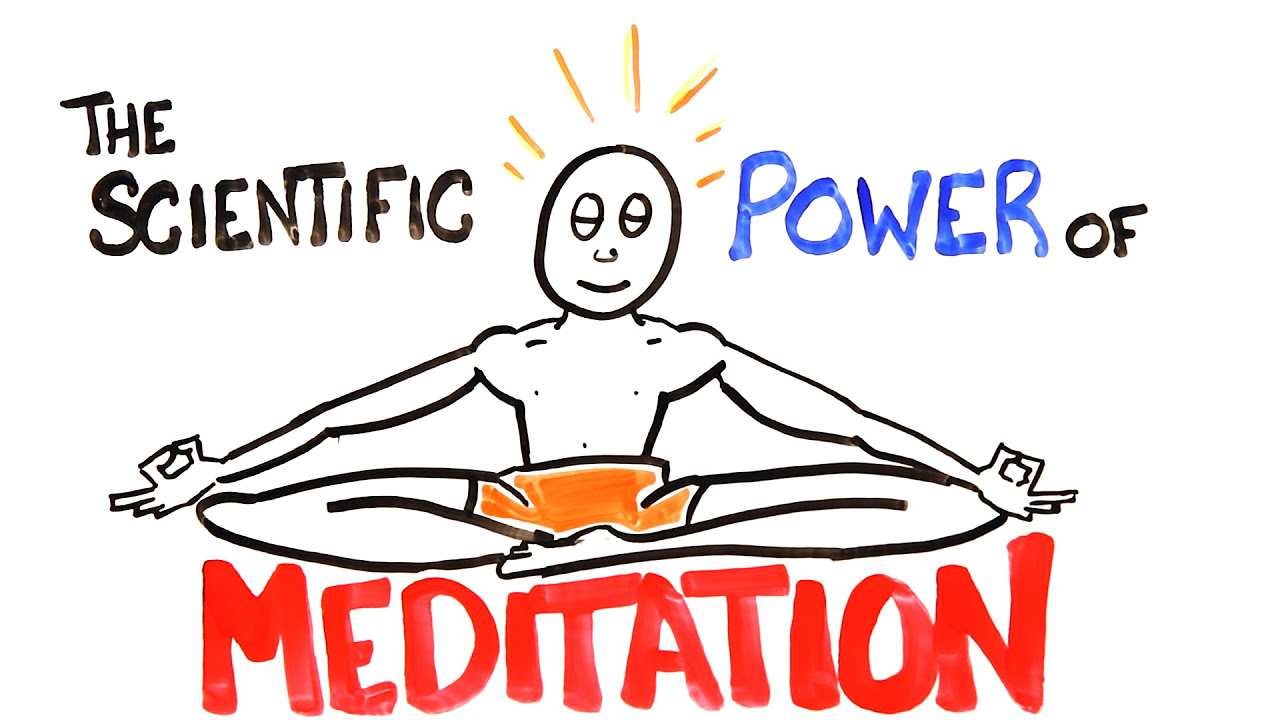
The Scientific Power of Meditation
Overview of Hölzel et al. | The Biological Approach | A Level Psychology 9990

The Menopause Doctor: This Diet Delays Menopause! Menopause Is Shrinking Your Brain! Dr Lisa Mosconi

⚡️Practice THIS every single day - Joe Dispenza

I Tried A 100 Hour Dopamine Detox, It Fixed My Brain
5.0 / 5 (0 votes)

