Seperti Apa Mesopotamia ? Awal dari Segala Peradaban Dibumi
Summary
TLDRMesopotamia, known as the "Cradle of Civilization," emerged between the Tigris and Euphrates rivers thousands of years before Rome or Greece. Here, humans first developed agriculture, cities, writing, laws, and complex governance. Rather than a single empire, it was a mosaic of cultures including the Sumerians, Akkadians, Assyrians, and Babylonians, each contributing innovations such as the wheel, cuneiform writing, and legal systems like Hammurabi’s Code. Mesopotamian society valued knowledge, spirituality, and social order, with remarkable roles for women and scholars. Despite cycles of conquest and decline, its legacy—urban life, science, literature, and law—became the foundation upon which modern civilization was built.
Takeaways
- 😀 Mesopotamia, often referred to as the 'Cradle of Civilization', is the birthplace of many advancements in human history.
- 😀 The name Mesopotamia comes from Greek, meaning 'land between two rivers' (Tigris and Euphrates).
- 😀 Mesopotamia's geography includes parts of present-day Iraq, Iran, Syria, Kuwait, and Turkey, and it was divided into Upper (Assyria) and Lower (Sumer) regions.
- 😀 The region is famous for its diverse cultures, including the Sumerians, Akkadians, Assyrians, and Babylonians, each contributing to its rich heritage.
- 😀 Around 4000 BCE, the agricultural revolution took place in Mesopotamia, leading to the first urban settlements and the development of writing systems.
- 😀 Mesopotamians made significant contributions, including the invention of the wheel, writing, time measurement, and military tactics.
- 😀 The Sumerians, in particular, left behind the world's earliest known written texts, including the Epic of Gilgamesh, which delves into themes of life and death.
- 😀 Women in Mesopotamia had relatively high rights compared to other ancient civilizations, including owning property, engaging in trade, and initiating divorce.
- 😀 The region's architectural marvels included ziggurats, massive stepped structures built to honor gods and serve as city landmarks.
- 😀 Over time, various powerful empires rose and fell in Mesopotamia, including the Akkadian, Babylonian, and Assyrian empires, each leaving behind a lasting legacy of law, governance, and culture.
- 😀 Mesopotamia's influence declined after the rise of the Persian Empire and the subsequent Hellenistic period, ultimately being incorporated into the Islamic Caliphate in the 7th century CE.
Q & A
What is the significance of Mesopotamia in the history of human civilization?
-Mesopotamia is considered the 'Cradle of Civilization' as it marks the birthplace of many foundational aspects of modern society, including agriculture, urbanization, and the invention of writing.
Why is Mesopotamia referred to as 'the land between two rivers'?
-Mesopotamia is located between the Tigris and Euphrates rivers. This fertile land allowed early civilizations to thrive, leading to agricultural development and the rise of cities.
What does the name 'Mesopotamia' mean?
-The name 'Mesopotamia' comes from Greek, meaning 'land between two rivers', referring to the Tigris and Euphrates rivers.
How did the geography of Mesopotamia influence the development of its civilizations?
-The fertile land between the Tigris and Euphrates rivers allowed for successful agriculture, leading to the growth of cities and the development of trade, which fostered the rise of advanced civilizations.
What was the role of women in ancient Mesopotamian society?
-Women in Mesopotamia had relatively equal rights to men compared to other ancient societies. They could own property, trade, divorce, and even sign official contracts.
How did Mesopotamians contribute to the development of writing?
-The Mesopotamians are credited with the invention of cuneiform writing around 3500 BCE. This system allowed for the recording of laws, trade transactions, and historical events.
What is the significance of the 'Code of Hammurabi'?
-The 'Code of Hammurabi' is one of the earliest known sets of written laws, established by King Hammurabi of Babylon. It represents a significant step in the development of legal systems and justice.
Why is the Epic of Gilgamesh important in Mesopotamian history?
-The Epic of Gilgamesh is one of the oldest known literary works, offering insight into Mesopotamian beliefs about life, death, and the gods. It reflects the civilization's philosophical and cultural depth.
What was the role of religion in Mesopotamian society?
-Religion played a central role in Mesopotamian society, with the belief that deities influenced every aspect of life. Temples, like ziggurats, were important religious and political centers.
How did the fall of Mesopotamian empires influence the region's history?
-The fall of Mesopotamian empires, such as the Assyrian and Babylonian empires, led to shifts in power and cultural influences, with Persia and later Greece shaping the region's political and cultural landscape.
Outlines

Cette section est réservée aux utilisateurs payants. Améliorez votre compte pour accéder à cette section.
Améliorer maintenantMindmap

Cette section est réservée aux utilisateurs payants. Améliorez votre compte pour accéder à cette section.
Améliorer maintenantKeywords

Cette section est réservée aux utilisateurs payants. Améliorez votre compte pour accéder à cette section.
Améliorer maintenantHighlights

Cette section est réservée aux utilisateurs payants. Améliorez votre compte pour accéder à cette section.
Améliorer maintenantTranscripts

Cette section est réservée aux utilisateurs payants. Améliorez votre compte pour accéder à cette section.
Améliorer maintenantVoir Plus de Vidéos Connexes

TICE ART 1010 Ancient Near Eastern and Ancient Egyptian Art
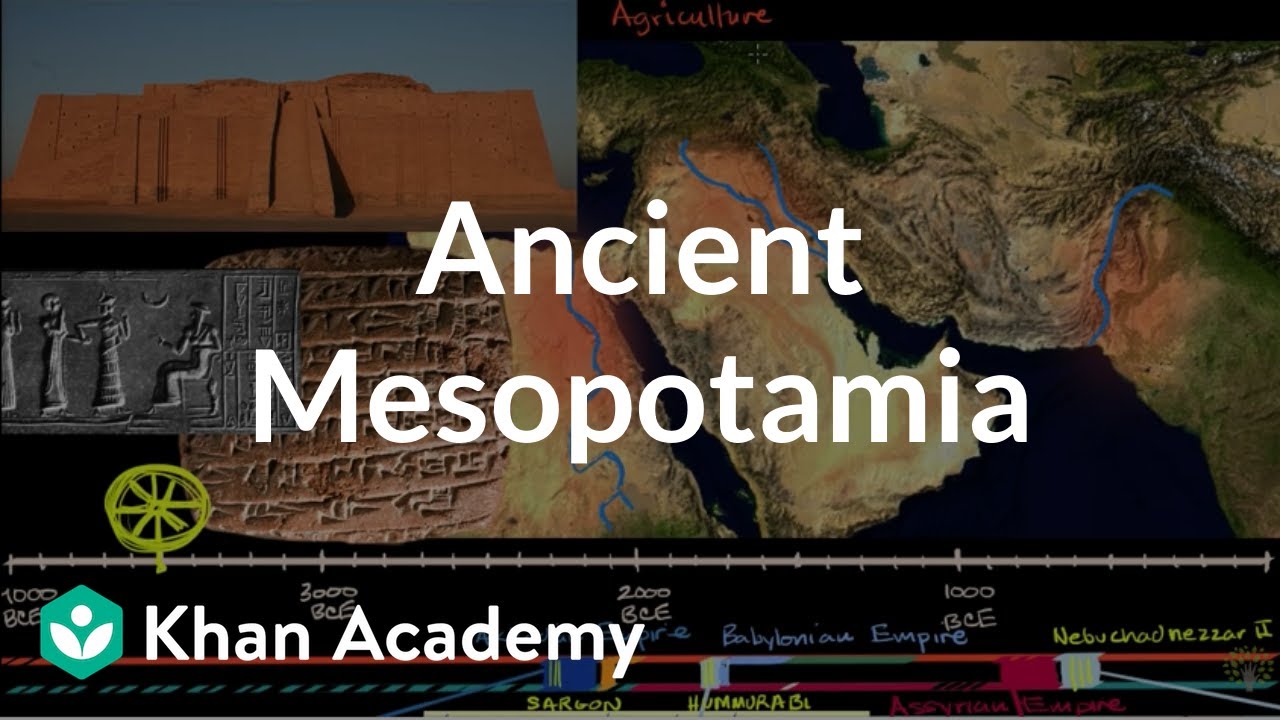
Ancient Mesopotamia | Early Civilizations | World History | Khan Academy
The Cradle of Civilization - Ancient World History for Kids!

MESOPOTÂMIA | Primeiros povos, cultura e economia

Ancient Mesopotamia for Kids | Learn all about the history of ancient Mesopotamia
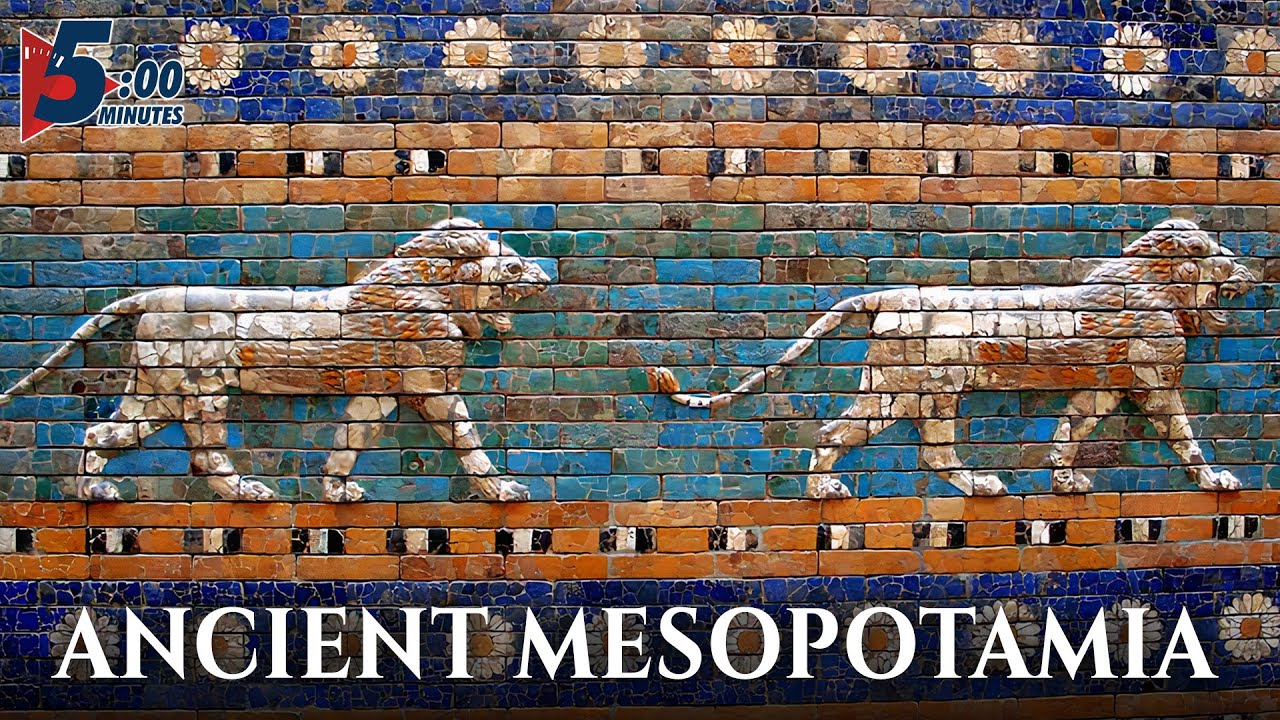
Brief History of Ancient Mesopotamia - Fertile Crescent & The cradle of civilization | 5 MINUTES
5.0 / 5 (0 votes)

