Haiti & The Dominican Republic: An Island Divided
Summary
TLDRThis video explores the complex and often painful relationship between Haiti and the Dominican Republic, two nations sharing the island of Hispaniola. It delves into their shared history of African slavery, colonialism, and differing racial identities. The video highlights the Dominican Republic’s mixed-race society and its denial of African heritage, in contrast to Haiti's celebration of its black independence and culture. From massacres and migration to cultural resilience, the narrative unpacks the tension, pride, and historical struggles that shape the lives of people on both sides of the Massacre River.
Takeaways
- 😀 The massacre river separates Haiti and the Dominican Republic, where the two countries share a long, complex history shaped by colonialism, slavery, and racial identity.
- 😀 The Dominican Republic celebrates a mixed-race society, with a deep Spanish influence, but racial identity issues persist, especially concerning the country's African roots.
- 😀 The island of Hispaniola, which includes both Haiti and the Dominican Republic, was the first place in the New World to import African slaves, making it the birthplace of the black experience in the Americas.
- 😀 Dominican society has often denied or downplayed its African heritage, instead emphasizing a mixed identity through the use of the term 'Indio' to negate blackness.
- 😀 Music plays a key role in defining Dominican identity, with the popular dance style 'Merengue' reflecting a blend of African, Spanish, and indigenous influences.
- 😀 The Dominican Republic’s historical connection to Spain has shaped its cultural and national identity, with Dominican elites often trying to 'whiten' historical figures to distance themselves from their African ancestry.
- 😀 During the 19th century, Dominicans fought for independence not from Spain, but from Haiti, marking a clear division in the national identities of both countries.
- 😀 The 1937 massacre on the border between Haiti and the Dominican Republic, which saw thousands of Haitians killed, is a tragic event that highlights the deep-seated anti-Haitian sentiment in the Dominican Republic.
- 😀 Haiti's culture and history are rich, with a focus on the legacy of independence, marked by the fact that Haiti was the first black republic to defeat colonial masters.
- 😀 Despite Haiti's significant challenges, including extreme poverty and the 2010 earthquake, the country retains a strong cultural heritage, particularly through music, language, and the resilience of its people.
Q & A
What historical significance does the Massacre River hold in the relationship between Haiti and the Dominican Republic?
-The Massacre River is a symbol of the tragic violence between Haiti and the Dominican Republic, specifically during the 1937 massacre ordered by Dominican dictator Rafael Trujillo, where approximately 15,000 Haitians were killed by Dominican forces. This event highlights the intense racial and political tensions between the two countries.
What cultural and historical factors have shaped the racial identity of Dominicans?
-Dominican racial identity is heavily influenced by colonial history, especially during the Spanish colonization of the island. While many Dominicans are Afro-descendants, they often identify as 'Indio' or deny their African roots due to a historical effort to emphasize Spanish heritage and European roots, which became especially prominent during Trujillo's regime.
How does the music of the Dominican Republic reflect the country's mixed cultural heritage?
-Dominican music, particularly Merengue, is a fusion of African, Spanish, and indigenous influences. It combines African rhythms and musical traditions with Spanish instruments like the guitar, creating a uniquely Dominican sound that is an expression of the country's mixed racial and cultural heritage.
What role did the Haitian occupation of the Dominican Republic in the 19th century play in shaping Dominican national identity?
-The Haitian occupation of the Dominican Republic from 1822 to 1844 played a crucial role in shaping Dominican national identity. Many Dominicans began to distinguish themselves from Haitians, emphasizing their Spanish heritage and rejecting their African roots. This period solidified the idea of a distinct Dominican identity separate from Haiti.
How did the sugar industry and slavery influence the racial dynamics in the Dominican Republic?
-The collapse of the sugar industry in the Dominican Republic led to a shift towards cattle ranching, which created a more fluid social structure where the distinction between master and slave was less pronounced. This, in turn, contributed to a unique Dominican racial identity, one that blurred the lines of racial divisions seen in other parts of the Caribbean.
Why did Dominicans, particularly under Rafael Trujillo, reject their African heritage?
-Under Rafael Trujillo's regime, there was a concerted effort to create a 'whiter' national identity, often erasing or diminishing the African heritage of Dominicans. Trujillo's policies and propaganda emphasized a European (particularly Spanish) connection and promoted the idea that Dominican identity should be disconnected from the Haitian and African influence.
What is the significance of the 'Indio' identity in the Dominican Republic?
-'Indio' is a term used in the Dominican Republic to describe people who are of mixed African, Spanish, and indigenous ancestry. It originated as a way to distance Dominicans from their African roots, especially as the country sought to assert its European (Spanish) identity. The term reflects a complex racial identity that often denies the African heritage present in much of the population.
How has Haiti's history as a slave colony and its fight for independence shaped its cultural identity?
-Haiti's history as the first independent black nation in the world and its successful slave revolt against the French shaped its cultural identity as one of resistance and pride in its African roots. Despite the devastating poverty and instability, Haiti maintains a strong sense of national pride based on its history of fighting for freedom and self-determination.
What role does the music and dance culture in Haiti play in preserving the country's African heritage?
-In Haiti, music and dance, particularly the drumming traditions, are vital expressions of the country's African heritage. Various musical styles, such as Voodoo rhythms, reflect the diverse African ethnicities that shaped Haiti's culture. Even in the aftermath of natural disasters, these traditions continue to thrive as a means of cultural preservation and resilience.
How did the United States occupation of the Dominican Republic in 1916 influence the relationship between Haitians and Dominicans?
-During the U.S. occupation of the Dominican Republic in 1916, Haitians were brought in as migrant workers to support the sugar industry. This further entrenched the racial and class divisions between Haitians and Dominicans, with Haitians being seen as inferior and their blackness being a negative stereotype that further fueled anti-Haitian sentiment in the Dominican Republic.
Outlines

Cette section est réservée aux utilisateurs payants. Améliorez votre compte pour accéder à cette section.
Améliorer maintenantMindmap

Cette section est réservée aux utilisateurs payants. Améliorez votre compte pour accéder à cette section.
Améliorer maintenantKeywords

Cette section est réservée aux utilisateurs payants. Améliorez votre compte pour accéder à cette section.
Améliorer maintenantHighlights

Cette section est réservée aux utilisateurs payants. Améliorez votre compte pour accéder à cette section.
Améliorer maintenantTranscripts

Cette section est réservée aux utilisateurs payants. Améliorez votre compte pour accéder à cette section.
Améliorer maintenantVoir Plus de Vidéos Connexes

Divided island: How Haiti and the DR became two worlds
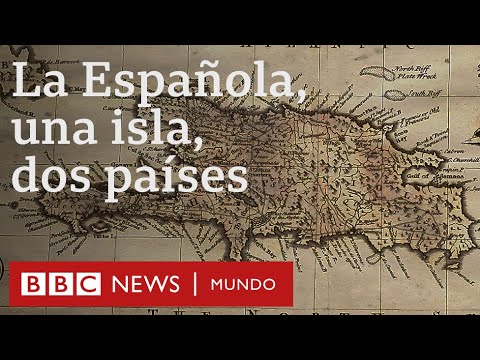
Haití y República Dominicana: cómo se dividió en dos países la isla más poblada de América

Anacaoana, Taino queen (Women's history podcast)

Comercio internacional: Teorema de Hecksher Ohlin

48: La Invasión Haitiana, Nuñez de Caceres y Jean Pierre Boyer.

Teorema Hecksher Ohlin Samuelson: igualación en el precio de los factores
5.0 / 5 (0 votes)

