Karl Marx - Philospher & Revolutionary Socialist | Mini Bio | BIO
Summary
TLDRKarl Marx, born in 1818 in Prussia, became a revolutionary philosopher, economist, and activist. His early life was shaped by his fascination with Hegel and his relationships with his wife, Jenny, and Friedrich Engels. Marx’s 1848 work, The Communist Manifesto, called for a classless society and influenced global revolutions. Exiled to London, he continued to write on economics and politics, with his ideas sparking movements in Russia, China, and beyond. His work, including *Das Kapital*, reshaped global ideologies. Marx died in 1883, leaving a profound legacy, his final inscription urging workers to unite.
Takeaways
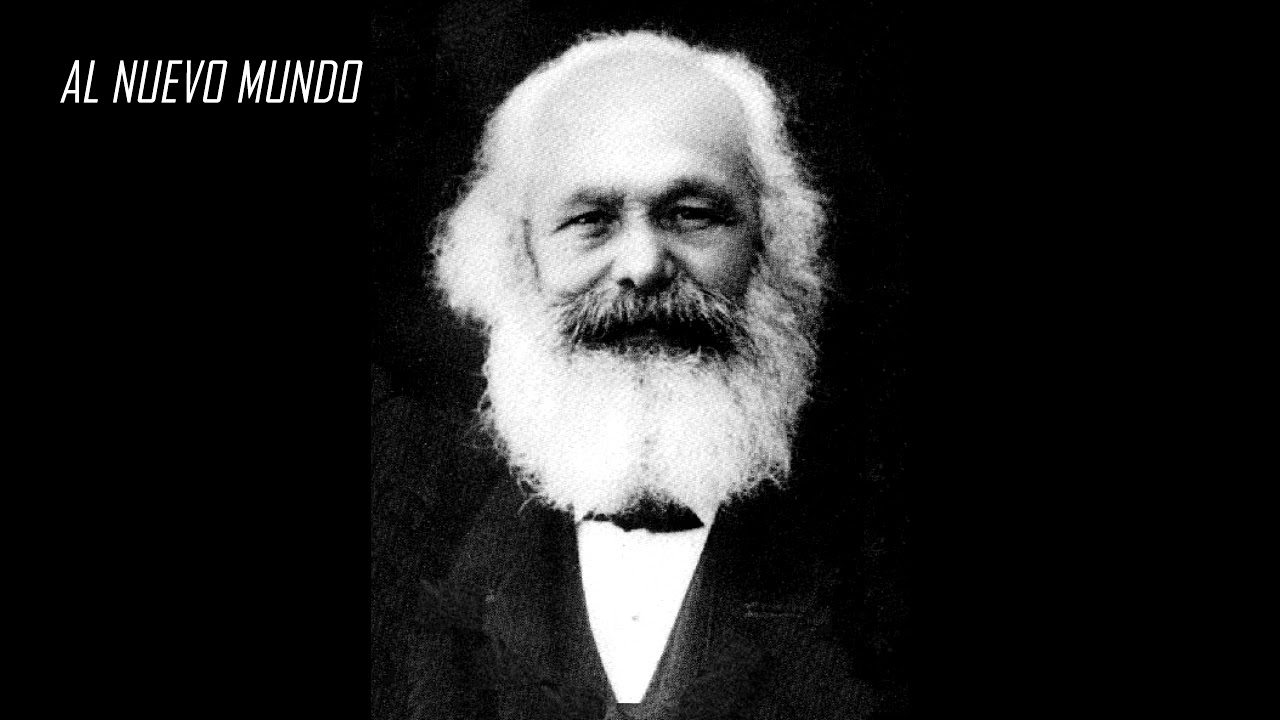
- 😀 Karl Marx was born on May 5th, 1818, in the Kingdom of Prussia, part of the German Confederation.
- 😀 His family background included famous rabbis, though his father converted to Protestantism due to social barriers for Jews.
- 😀 Marx attended the University in 1835, where he became influenced by the philosophical ideas of GWF Hegel.
- 😀 Between 1843 and 1845, Marx formed significant relationships with his wife, Jenny von Westphalen, and Friedrich Engels, who profoundly influenced his views.
- 😀 Marx and Engels co-authored *The Communist Manifesto* in 1848, advocating for socialism and a classless society.
- 😀 The *Communist Manifesto* became a catalyst for revolutions across Europe, aligning Marx with revolutionary movements.
- 😀 Due to his revolutionary ideas, Marx was exiled from Europe and moved to London, where he wrote for the New York Tribune.
- 😀 In his later years, Marx focused on issues like slavery and the American Civil War, while continuing his critique of capitalism.
- 😀 Marx published his most significant work, *Das Kapital*, in 1867, critiquing capitalist economics.
- 😀 By the early 20th century, Marxism spread widely, influencing revolutions and socialist movements in Russia, China, Cuba, and beyond.
- 😀 Marx died on March 14, 1883, and was buried in Highgate Cemetery in London, with his tombstone inscribed with 'Workers of all lands, Unite.'
Q & A
Who was Carl Heinrich Marx and when was he born?
-Carl Heinrich Marx, the father of Marxism, was born on May 5th, 1818, in the Kingdom of Prussia, part of the German Confederation.
What was Carl Marx's family background?
-Marx's grandfathers on both sides came from famous rabbinic lines, but his father converted to Protestantism due to societal barriers against Jewish involvement in full citizenship.
What was Marx’s relationship with Hegel, and how did it impact him?
-Marx became fascinated with the teachings of German philosopher GWF Hegel during his university years. Hegel’s ideas on societal and historical development greatly influenced Marx's thinking.
How did Marx's marriage to Jenny von Westphalen shape his life?
-Marx married Jenny von Westphalen, who came from the Prussian aristocracy. Their marriage was happy, and they had seven children together. This relationship helped shape Marx's personal life and views.
What role did Friedrich Engels play in Marx's intellectual development?
-Friedrich Engels, who became a close friend and collaborator, introduced Marx to new experiences and perspectives, particularly in the areas of economics and social theory.
What is the Communist Manifesto and how did it impact Europe?
-The Communist Manifesto, written by Marx and Engels in 1848, laid out their vision for socialism and a classless society. Its publication coincided with a wave of revolutions across Europe, making it a pivotal work in revolutionary thought.
Why was Marx exiled to London?
-Due to his radical ideas and writings, Marx was seen as seditious and unable to find a place in continental Europe, forcing him into exile in London.
What role did Marx play in American politics during his time in London?
-In London, Marx worked as a European correspondent for the New York Tribune, turning his attention to American political issues such as slavery, the abolitionist movement, and the Civil War.
What significant works did Marx write after moving to London?
-After moving to London, Marx wrote key works, including 'Capital' (Das Kapital) in 1867, where he analyzed the economic structure of capitalist societies.
What was the International Workingmen's Association, and what role did Marx play in it?
-The International Workingmen's Association was an organization aimed at promoting the interests of workers. Marx was elected to its General Council in 1864, where he fought against capitalism and anarchism.
How did Marx's ideas influence global movements?
-Marx's ideas on socialism and communism were adopted in various countries, particularly after the Russian Revolution of 1917. His theories shaped revolutionary movements in Russia, China, Cuba, Vietnam, and North Korea.
What was the ultimate impact of Marx’s work on global politics?
-Marx's work laid the foundation for the development of communist governments, and his theories continue to influence political and economic ideologies worldwide.
What was inscribed on Karl Marx's tombstone, and why is it significant?
-Karl Marx’s tombstone at Highgate Cemetery in London bears the final line of the Communist Manifesto: 'Workers of all lands, unite!' This inscription represents his lifelong commitment to the worker’s cause and class struggle.
Outlines

Cette section est réservée aux utilisateurs payants. Améliorez votre compte pour accéder à cette section.
Améliorer maintenantMindmap

Cette section est réservée aux utilisateurs payants. Améliorez votre compte pour accéder à cette section.
Améliorer maintenantKeywords

Cette section est réservée aux utilisateurs payants. Améliorez votre compte pour accéder à cette section.
Améliorer maintenantHighlights

Cette section est réservée aux utilisateurs payants. Améliorez votre compte pour accéder à cette section.
Améliorer maintenantTranscripts

Cette section est réservée aux utilisateurs payants. Améliorez votre compte pour accéder à cette section.
Améliorer maintenant



5.0 / 5 (0 votes)

