Social Identity Theory Explained
Summary
TLDRSocial identity theory, developed by Henri Tajfel in the 1970s, explores how individuals define themselves through group affiliations, affecting intergroup dynamics. It consists of three main components: social categorization, social identification, and social comparison. People categorize themselves and others into groups, identify with these groups, and compare them to boost self-esteem, often resulting in in-group bias and outgroup discrimination. This theory explains phenomena like ethnocentrism and prejudice, influencing social behaviors, conflicts, and group-based movements. Understanding these elements helps psychologists analyze individual and group behavior in various contexts, such as nationalism, organizational behavior, and social media dynamics.
Takeaways
- 😀 Social Identity Theory, developed by Henri Tajfel in the 1970s, explores group dynamics and intergroup relationships through psychological underpinnings.
- 😀 The theory is based on three main components: social categorization, social identification, and social comparison.
- 😀 Social categorization involves sorting people into groups based on characteristics like race, nationality, religion, or profession, which can lead to stereotyping.
- 😀 An example of stereotyping is assuming all engineers are introverted, ignoring the diversity of personalities in the profession.
- 😀 Social identification happens when individuals adopt the identity of the group they belong to, shaping their behavior, beliefs, and self-esteem.
- 😀 Group identification fosters emotional attachment, promoting unity and a shared group identity, especially within sports teams or political parties.
- 😀 Social comparison focuses on how people evaluate their own group positively by comparing it to others, often leading to in-group vs. out-group mentalities.
- 😀 The Minimal Group Paradigm experiment by Tajfel demonstrates how arbitrary group categorization can trigger in-group bias, even without meaningful connections between group members.
- 😀 Social Identity Theory explains phenomena like ethnocentrism, where people believe their culture or group is superior, and prejudice, which leads to discrimination and conflict.
- 😀 Understanding Social Identity Theory is crucial for analyzing societal behaviors, nationalism, organizational dynamics, and social media interactions.
- 😀 The theory helps psychologists better interpret both individual and group behavior in various contexts, fostering a deeper understanding of societal dynamics.
Q & A
What is Social Identity Theory, and who developed it?
-Social Identity Theory, developed by social psychologist Henri Tajfel in the 1970s, explores the psychological foundations of group dynamics and intergroup relationships, focusing on how individuals define themselves based on their group affiliations.
What are the three main components of Social Identity Theory?
-The three main components of Social Identity Theory are social categorization, social identification, and social comparison.
How does social categorization work in Social Identity Theory?
-In social categorization, individuals sort themselves and others into groups based on characteristics such as race, nationality, religion, or profession, helping structure the social environment but also potentially leading to stereotyping.
Can you give an example of stereotyping mentioned in the script?
-An example of stereotyping from the script is assuming that all engineers are introverted and prefer solitary work, which overlooks the diversity of personalities within the field.
What is social identification, and how does it affect individuals?
-Social identification occurs when people adopt the identity of the group they belong to, influencing their behavior, beliefs, and self-esteem. For instance, identifying strongly with a sports team or political party can shape how individuals see themselves and others outside their group.
How does social comparison contribute to intergroup dynamics?
-Social comparison involves individuals evaluating their own group positively by contrasting it with other groups. This can lead to an 'in-group vs out-group' mentality, fostering favoritism towards one's own group and exaggerating the negative traits of others.
What was the minimal group paradigm experiment, and what did it reveal?
-The minimal group paradigm, an experiment by Tajfel, showed that even when participants were assigned to groups based on arbitrary criteria like art preferences, they still displayed favoritism toward their own group, highlighting how easily ingroup bias can emerge.
What negative consequences can arise from Social Identity Theory?
-Social Identity Theory can lead to negative consequences like ethnocentrism, prejudice, and stereotyping. Ethnocentrism involves the belief that one's own group or culture is superior, while prejudice and stereotyping involve generalized assumptions about members of outgroups.
How does Social Identity Theory explain phenomena like nationalism and social media dynamics?
-Social Identity Theory helps explain behaviors related to nationalism, organizational behavior, and even social media dynamics. By understanding group identification and comparison, psychologists can better interpret how people engage in group-based movements or interact online.
What role does Social Identity Theory play in societal dynamics?
-Social Identity Theory plays a complex role in societal dynamics, influencing both positive group cohesion and negative intergroup bias. It helps psychologists understand individual and group behaviors in various contexts, including social conflicts and group movements.
Outlines

Cette section est réservée aux utilisateurs payants. Améliorez votre compte pour accéder à cette section.
Améliorer maintenantMindmap

Cette section est réservée aux utilisateurs payants. Améliorez votre compte pour accéder à cette section.
Améliorer maintenantKeywords

Cette section est réservée aux utilisateurs payants. Améliorez votre compte pour accéder à cette section.
Améliorer maintenantHighlights

Cette section est réservée aux utilisateurs payants. Améliorez votre compte pour accéder à cette section.
Améliorer maintenantTranscripts

Cette section est réservée aux utilisateurs payants. Améliorez votre compte pour accéder à cette section.
Améliorer maintenantVoir Plus de Vidéos Connexes

video lecture on Social Identity Theory and Group

WHY DO WE DISCRIMINATE? TAJFEL EXPERIMENTS (1970) - HARRY POTTER EDITION
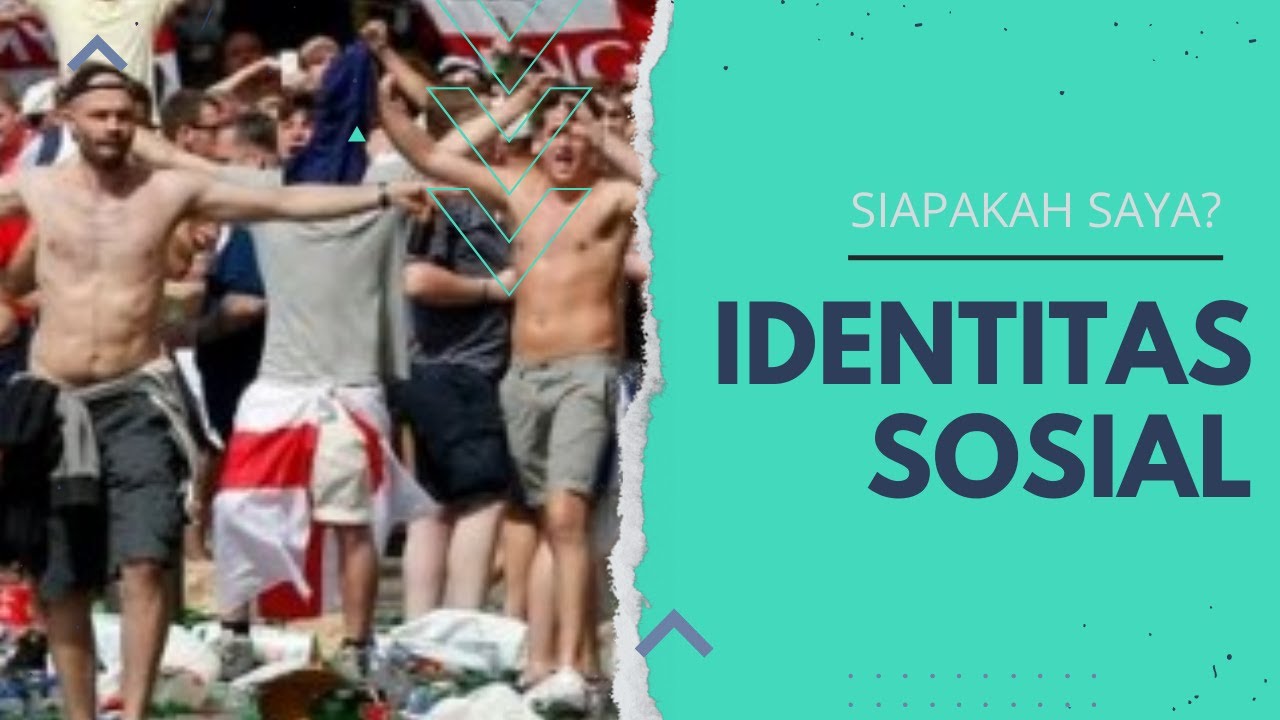
SIAPAKAH SAYA? identitas sosial

Social Identity Theory - Definition + 3 Components

Identitas Sosial - Sosiologi Kelas X

APA ITU IDENTITAS DIRI & IDENTITAS SOSIAL ? - Review materi sosiologi kelas X Ganjil #part4
5.0 / 5 (0 votes)

