What's Cool about LNG? Everything!
Summary
TLDRThis video explains the properties and safety of Liquefied Natural Gas (LNG), a clean-burning, abundant fuel that has been safely used for over 50 years. LNG is natural gas cooled to -260°F, reducing its volume by 600 times for easier storage and transport. It is non-toxic, non-corrosive, and evaporates quickly if spilled. The video demonstrates LNG’s extreme cold with experiments like freezing marshmallows and flowers. It highlights LNG’s minimal carbon residue when burned and its impressive safety record in global use, making it an efficient and environmentally friendly fuel source.
Takeaways
- 😀 LNG (Liquefied Natural Gas) is natural gas that has been cooled to -260°F (-160°C) to become a liquid, making it easier to store and transport.
- 😀 LNG is odorless, colorless, non-toxic, and non-corrosive, making it a safe fuel to handle and use.
- 😀 The liquefaction process reduces the volume of natural gas by 600 times, which is like shrinking a beach ball into a ping-pong ball.
- 😀 LNG evaporates quickly when exposed to warmer temperatures, as shown by its reaction on a cookie sheet or in soil, without leaving any residue.
- 😀 When exposed to extreme cold temperatures, substances like marshmallows and flowers become brittle, demonstrating LNG's freezing effects.
- 😀 Special materials are used to contain and handle LNG safely due to its extreme cold temperatures.
- 😀 LNG has been safely handled for over 50 years, with an excellent safety record in shipping and usage worldwide.
- 😀 LNG does not seep into the soil when spilled but quickly evaporates, preventing environmental residue or contamination.
- 😀 When LNG comes into contact with water, it floats and evaporates without leaving any residue, showcasing its clean characteristics.
- 😀 LNG vapors require an ignition temperature of at least 1,000°F (537°C) to ignite, making it safer in many situations compared to other fuels.
- 😀 LNG is the cleanest burning fossil fuel, emitting minimal carbon residue when compared to other fuels like natural gas and coal.
Q & A
What is liquefied natural gas (LNG)?
-Liquefied natural gas (LNG) is natural gas that has been cooled to very low temperatures, about -260°F (-160°C), to become a liquid. This process reduces its volume by 600 times, making it easier to store and transport over long distances.
Why is LNG liquefied?
-LNG is liquefied to reduce its volume by 600 times, which makes it much easier to store and transport, especially across long distances.
How is LNG different from natural gas?
-LNG is natural gas in a liquid form. While natural gas is a gaseous fuel that is used for heating and power generation, LNG is much more compact, odorless, colorless, non-toxic, and non-corrosive.
What happens when LNG spills on the ground?
-When LNG spills on the ground, it evaporates quickly due to the difference in temperature between the LNG and the warmer ground. It does not seep into the soil or leave any residue, although it could freeze moisture in the soil.
What temperature is required to ignite LNG?
-LNG vapors require an ignition source of at least 1,000°F (500°C) to ignite. This is much hotter than most common heat sources, such as a cigarette, which burns at around 700-800°F (350-450°C).
What happens when LNG comes into contact with water?
-When LNG comes into contact with water, it floats on the surface because it is lighter than water. The temperature difference causes the LNG to immediately warm up and evaporate, leaving no residue behind.
How does LNG affect everyday objects like marshmallows and flowers?
-LNG can freeze everyday objects like marshmallows and flowers because of its extremely low temperature. For example, a marshmallow dipped in LNG becomes hard and brittle, while a flower becomes stiff and breaks when handled.
What is the safety record of LNG?
-LNG has been safely handled for over 50 years and has a very strong safety record. It has been used globally for long-distance transportation without significant incidents.
What are the environmental benefits of LNG?
-LNG is considered the cleanest burning fossil fuel because it produces fewer emissions compared to other fossil fuels like coal or oil. It generates less carbon residue and burns with minimal pollution.
How is LNG converted back into natural gas?
-LNG is converted back into natural gas by warming it up, which causes it to evaporate and return to its gaseous form. The process can be demonstrated by cooling the gas in a container and observing the contraction of a balloon attached to the vapors.
Outlines

Cette section est réservée aux utilisateurs payants. Améliorez votre compte pour accéder à cette section.
Améliorer maintenantMindmap

Cette section est réservée aux utilisateurs payants. Améliorez votre compte pour accéder à cette section.
Améliorer maintenantKeywords

Cette section est réservée aux utilisateurs payants. Améliorez votre compte pour accéder à cette section.
Améliorer maintenantHighlights

Cette section est réservée aux utilisateurs payants. Améliorez votre compte pour accéder à cette section.
Améliorer maintenantTranscripts

Cette section est réservée aux utilisateurs payants. Améliorez votre compte pour accéder à cette section.
Améliorer maintenantVoir Plus de Vidéos Connexes

Hukuman Eks Dirut Pertamina Jadi 13 Tahun Penjara - [Newsline]

LNG Cargo ship

BERTHING OPERATION OF HUGE LNG CARRIER AND FSRU

How LNG Carriers (Gas Tankers) Work - Design Types, Loading & Discharge

gas tanker basics part 1
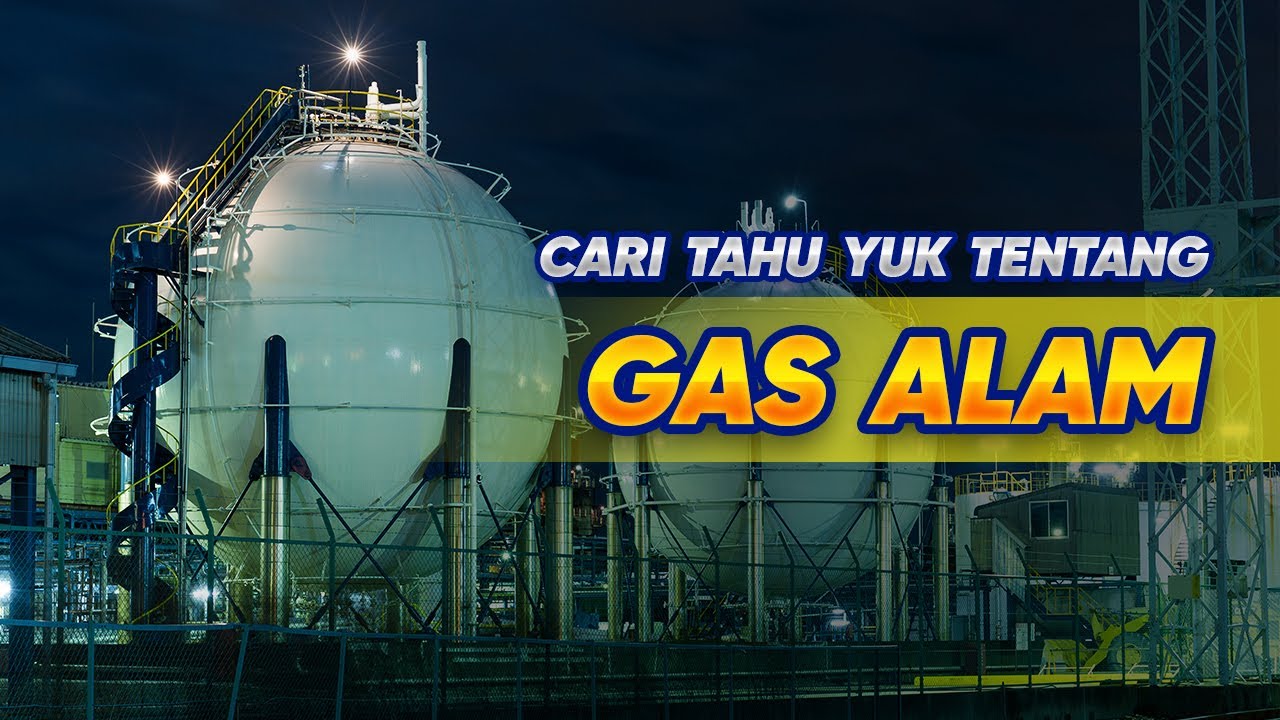
Mengenal Energi Primer GAS ALAM - dari Proses eksplorasi hingga digunakan pada Pembangkit Listrik
5.0 / 5 (0 votes)

