How Did Indonesia Change Their Economy By Exporting Palm Oil? | The Lifeblood of Indonesian Economy
Summary
TLDRIndonesia, the world’s largest palm oil producer, plays a vital role in the global market, accounting for 40% of production. The industry fuels economic growth, providing jobs and investment, particularly in rural areas. In 2020, palm oil exports generated over 20 billion dollars, driving infrastructure development and improving livelihoods. However, challenges like deforestation, habitat loss, and human rights abuses persist. Despite competition from Malaysia, Indonesia’s favorable climate, resources, and government support ensure the industry’s continued success. The future holds promise, but sustainability and responsible practices will be key to maintaining its positive impact on both the economy and the environment.
Takeaways
- 😀 Indonesia is the world's largest producer of palm oil, accounting for nearly 40% of global production.
- 🌱 Palm oil is a vital commodity in Indonesia, contributing significantly to the economy and providing employment to millions of people, especially in rural areas.
- 💰 In 2020, palm oil exports generated over $20 billion, making up over 10% of Indonesia's total exports.
- 🏗️ The palm oil industry has led to the development of infrastructure such as roads, bridges, and schools, improving access to services in rural areas.
- 👷♀️ The industry has created jobs for over 10 million people, many of whom live in remote regions where employment opportunities are limited.
- 🌳 The rapid expansion of the palm oil industry has led to challenges such as deforestation and the loss of wildlife habitats.
- 👥 Human rights issues, including forced evictions and land confiscations, have become concerns linked to the palm oil industry.
- ☀️ Indonesia’s tropical climate and large, fertile land areas make it an ideal location for palm oil cultivation.
- 🛠️ The Indonesian government has supported the palm oil industry by investing in infrastructure and offering incentives to encourage growth.
- 🌍 Indonesia competes with Malaysia in the global palm oil market, with both countries collectively producing over 80% of the world’s palm oil.
- 🤝 Despite competition, Indonesia and Malaysia collaborate on sustainability efforts, sharing research and best practices to improve the industry's global reputation.
Q & A
What is the significance of the palm oil industry to Indonesia's economy?
-The palm oil industry is a major contributor to Indonesia's economy, generating over $20 billion in exports in 2020, accounting for more than 10% of the country's total exports. It has created millions of jobs, particularly in rural areas, and attracted investments in infrastructure and basic services.
How does Indonesia's position as the world's largest producer of palm oil benefit the country?
-Indonesia's status as the world's largest producer of palm oil allows it to generate substantial income, support millions of jobs, and maintain a significant role in the global market. It also drives the country's economic growth and development, especially in rural areas.
What are the environmental challenges associated with palm oil production in Indonesia?
-The rapid expansion of palm oil plantations has led to deforestation, loss of wildlife habitats, and significant environmental degradation. These issues have raised concerns about sustainability and the long-term impact on Indonesia's natural resources.
How has the palm oil industry impacted rural areas in Indonesia?
-The palm oil industry has brought development to rural areas by creating jobs, improving infrastructure such as roads and bridges, and enhancing access to education and basic services. This has led to improved living standards in many parts of the country.
What role does Indonesia's climate play in the success of the palm oil industry?
-Indonesia's tropical climate, with abundant sunlight and rainfall, provides ideal conditions for growing oil palm trees. The equatorial location ensures a long growing season, which is crucial for the success of the palm oil industry in the country.
How does the Indonesian government support the palm oil industry?
-The Indonesian government has provided substantial support to the palm oil industry through infrastructure development (roads, bridges, ports), subsidies, and incentives. These efforts have helped foster the industry's growth and sustained its position as a global leader in palm oil production.
Who are Indonesia's main competitors in the global palm oil market?
-Indonesia's main competitor in the palm oil market is Malaysia. Together, both countries account for over 80% of the world's palm oil production, with Malaysia being a strong player due to its established industry and reputation for high-quality products.
What is the future outlook for Indonesia's palm oil industry?
-The future of Indonesia's palm oil industry looks promising, as global demand for palm oil is expected to rise. However, the industry must focus on sustainable practices to ensure its continued growth while minimizing environmental and social impacts.
What are some of the human rights concerns related to the palm oil industry in Indonesia?
-Human rights issues in the palm oil industry include land confiscation, forced evictions of indigenous communities, and poor working conditions. These challenges highlight the need for more responsible and ethical practices within the industry.
What are the main factors contributing to Indonesia's dominance in the palm oil industry?
-Indonesia's success in the palm oil industry is attributed to its favorable tropical climate, large land area, abundant resources, supportive government policies, and a growing labor force, particularly in rural areas where employment opportunities are limited.
Outlines

Cette section est réservée aux utilisateurs payants. Améliorez votre compte pour accéder à cette section.
Améliorer maintenantMindmap

Cette section est réservée aux utilisateurs payants. Améliorez votre compte pour accéder à cette section.
Améliorer maintenantKeywords

Cette section est réservée aux utilisateurs payants. Améliorez votre compte pour accéder à cette section.
Améliorer maintenantHighlights

Cette section est réservée aux utilisateurs payants. Améliorez votre compte pour accéder à cette section.
Améliorer maintenantTranscripts

Cette section est réservée aux utilisateurs payants. Améliorez votre compte pour accéder à cette section.
Améliorer maintenantVoir Plus de Vidéos Connexes
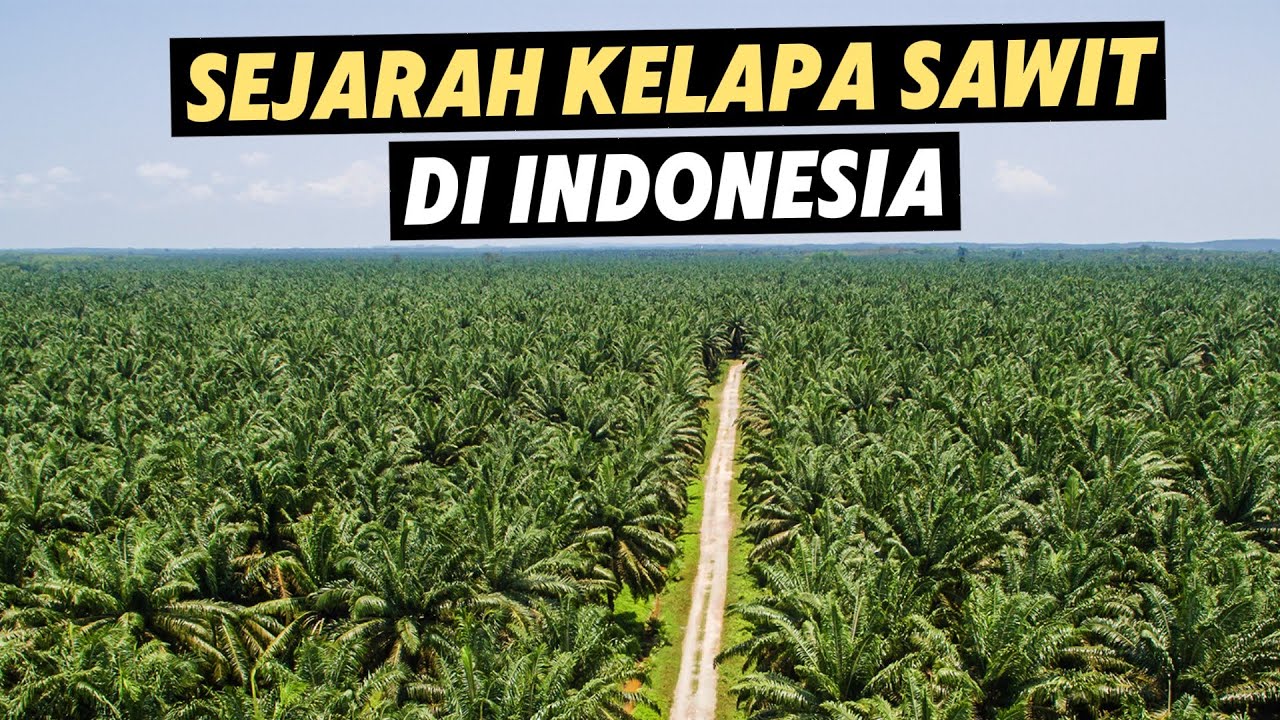
Dari Empat Biji Kelapa Sawit hingga menjadi Negara Penghasil Kelapa Sawit Terbesar di Dunia!

KELOMPOK 6 | EKONOMI INTERNASIONAL KELAS A EP 23

10 Kekayaan Alam Indonesia Terbesar di Dunia | INDONESIA ORIGINAL #2
Penghasil Kelapa Terbesar di Dunia - 6 REKOR Indonesia di Bidang Pertanian

PERAN KELAPA SAWIT TUMBUHKAN PEREKONOMIAN INDONESIA

Newsmaker Interview: H.E. Saad Sherida Al-Kaabi
5.0 / 5 (0 votes)

