Iron Metabolism : Transportation and Storage, Absorption and Regulation, Daily loss of iron : USMLE
Summary
TLDRIron plays a crucial role in the body, primarily in the formation of hemoglobin and myoglobin, and is vital for cellular function. About 65% of the body's iron is in hemoglobin, while smaller amounts are stored in the liver and bone marrow. Iron is absorbed from the intestines, bound to transferrin in the blood, and transported to cells where it's used in processes like hemoglobin synthesis. Iron levels are tightly regulated: excess iron is stored, while low levels increase absorption. The body loses iron daily, with additional loss through menstruation and blood loss, and iron recycling is essential for maintaining healthy blood cell production.
Takeaways
- 😀 Iron is essential for the formation of hemoglobin and other critical components in the body.
- 😀 Around 65% of the body's iron is in the form of hemoglobin, with smaller percentages in myoglobin, heme compounds, and transferrin.
- 😀 15 to 30% of the body's iron is stored for later use, mainly in the liver and reticuloendothelial cells.
- 😀 Iron in the blood plasma is bound to transferrin, which transports it to tissues and cells as needed.
- 😀 Excess iron in the blood is stored in the liver and bone marrow, mainly in the form of ferritin or hemosiderin.
- 😀 Ferritin can store varying amounts of iron, and excessive iron is stored in an insoluble form called hemosiderin.
- 😀 When iron levels fall low, stored iron is released from ferritin and transported via transferrin to areas of need.
- 😀 Transferin binds strongly to receptors in bone marrow cells (erythroblasts), facilitating the uptake of iron into cells for heme synthesis.
- 😀 A lack of transferrin in the blood can lead to hypochromic anemia, where red blood cells contain less hemoglobin than normal.
- 😀 The body loses about 6 mg of iron daily through excretion, with women losing additional iron due to menstrual bleeding.
- 😀 Iron absorption from the small intestine is slow and regulated by the body's iron stores; when iron stores are full, absorption decreases, and when they are low, absorption increases.
Q & A
What is the primary function of iron in the human body?
-Iron is essential for the formation of hemoglobin, which is responsible for oxygen transport in red blood cells. It also plays a key role in cellular respiration and the production of DNA.
How much iron does the average human body contain?
-The total iron content in the human body averages 4 to 5 grams. About 65% of this iron is found in hemoglobin, 4% in myoglobin, 1% in heme compounds, 0.1% in transferrin in blood plasma, and 15–30% is stored in the liver and reticuloendothelial system.
What is transferrin and how does it function in iron transport?
-Transferrin is a beta-globulin protein that binds to iron in the blood plasma, helping transport iron to various tissues and cells throughout the body. It is loosely bound to iron, allowing it to be released when needed.
What happens when there is excess iron in the body?
-Excess iron is primarily stored in the liver and reticuloendothelial cells, mainly in the form of ferritin. If iron exceeds the storage capacity, it forms a more insoluble substance called hemosiderin, which is stored in large clusters within cells.
What is ferritin and how does it store iron?
-Ferritin is a protein that stores iron in a soluble, non-toxic form. It can vary in size depending on the amount of iron it binds, storing small or large amounts of iron in clusters of iron radicals.
What is hemosiderin and when does it form in the body?
-Hemosiderin is an insoluble form of iron storage that forms when the body's ferritin storage capacity is exceeded. It collects in cells as large, observable clusters.
How does iron reach erythroblasts for hemoglobin production?
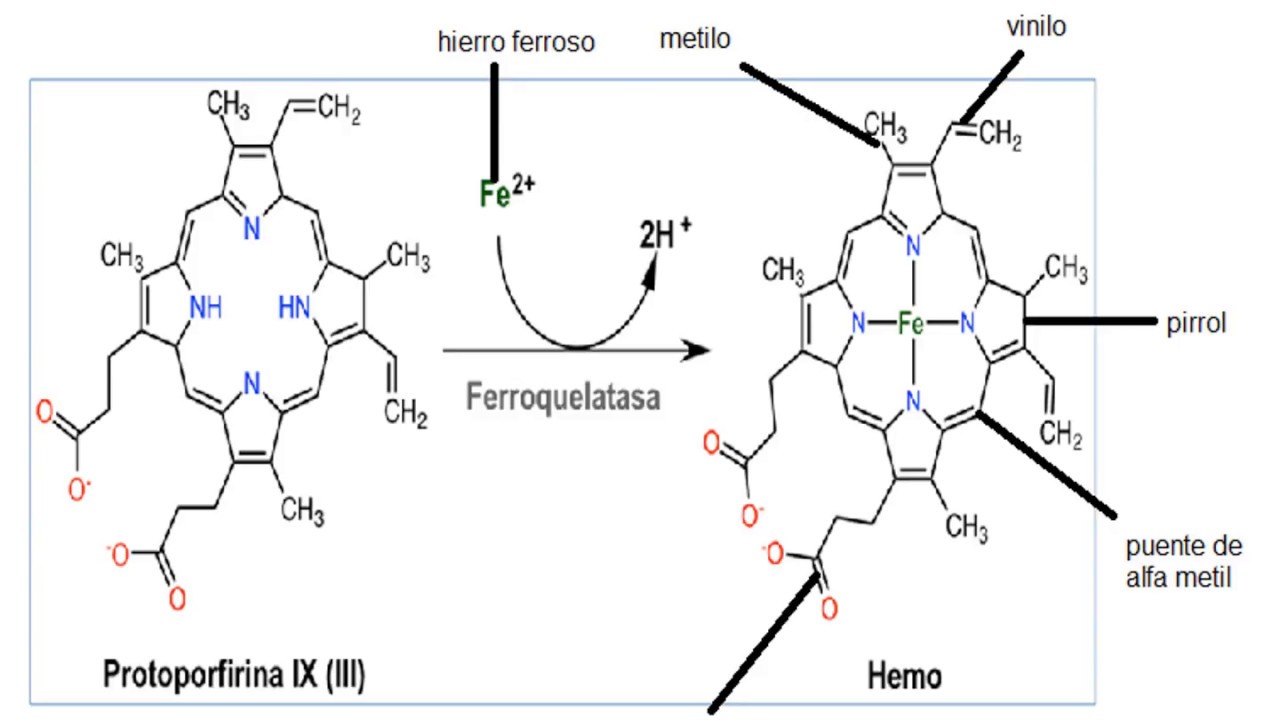
-Iron is transported to erythroblasts (immature red blood cells) via transferrin, which binds to receptors on the cell membrane. Once inside the cell, iron is directed to the mitochondria where heme is synthesized for hemoglobin production.
What condition can result from insufficient transferrin in the blood?
-A lack of transferrin or insufficient iron transport to erythroblasts can cause hypochromic anemia, a condition where red blood cells contain much less hemoglobin than normal.
How is iron lost from the body daily?
-The body loses about 6 milligrams of iron daily, primarily through feces. Women lose additional iron through menstruation, which brings their average loss to approximately 1.3 milligrams per day.
How is the absorption of iron from the intestines regulated?
-Iron absorption is regulated based on the body's iron stores. When stores are full, absorption decreases. Conversely, when iron stores are low, the absorption rate can increase significantly, up to five times normal.
Outlines

Cette section est réservée aux utilisateurs payants. Améliorez votre compte pour accéder à cette section.
Améliorer maintenantMindmap

Cette section est réservée aux utilisateurs payants. Améliorez votre compte pour accéder à cette section.
Améliorer maintenantKeywords

Cette section est réservée aux utilisateurs payants. Améliorez votre compte pour accéder à cette section.
Améliorer maintenantHighlights

Cette section est réservée aux utilisateurs payants. Améliorez votre compte pour accéder à cette section.
Améliorer maintenantTranscripts

Cette section est réservée aux utilisateurs payants. Améliorez votre compte pour accéder à cette section.
Améliorer maintenant


5.0 / 5 (0 votes)

