STRUKTUR DAN KARAKTERISTIK LAPISAN BUMI
Summary
TLDRThis video explains the structure and characteristics of Earth's layers from both chemical and physical perspectives. The Earth is divided into three chemical layers: the crust, mantle, and core, and five physical layers: inner core, outer core, mesosphere, asthenosphere, and lithosphere. The crust is the thinnest and hardest layer, consisting of oceanic and continental parts. The mantle, made of solid rock, extends deep below the crust and includes the lithosphere, asthenosphere, and mesosphere. The core is made of iron and nickel, with an outer liquid layer and a solid inner core. The video provides insights into these layers' properties and their role in Earth's geology.
Takeaways
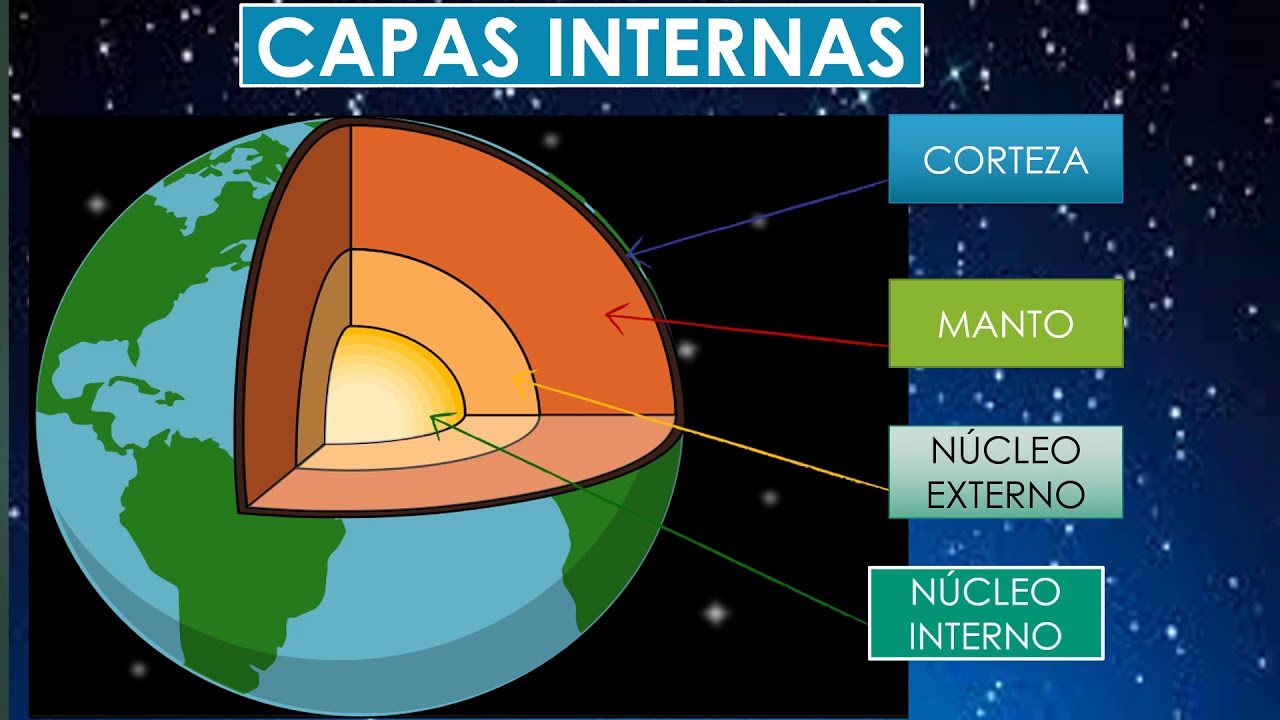
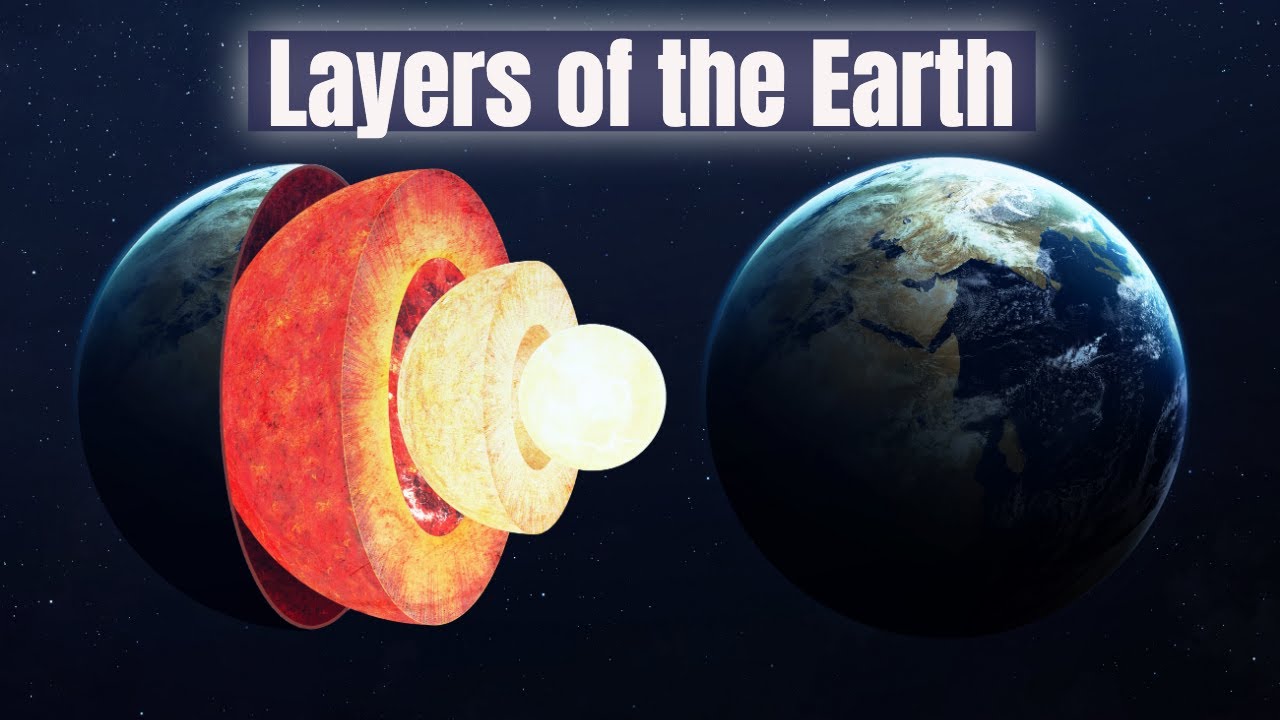
- 😀 The Earth is chemically divided into three layers: the core, mantle, and crust, with the core made of iron and the mantle and crust made of silicate materials.
- 😀 The Earth is also physically divided into five layers: the inner core, outer core, mesosphere, asthenosphere, and lithosphere, each with distinct physical properties like solid or liquid.
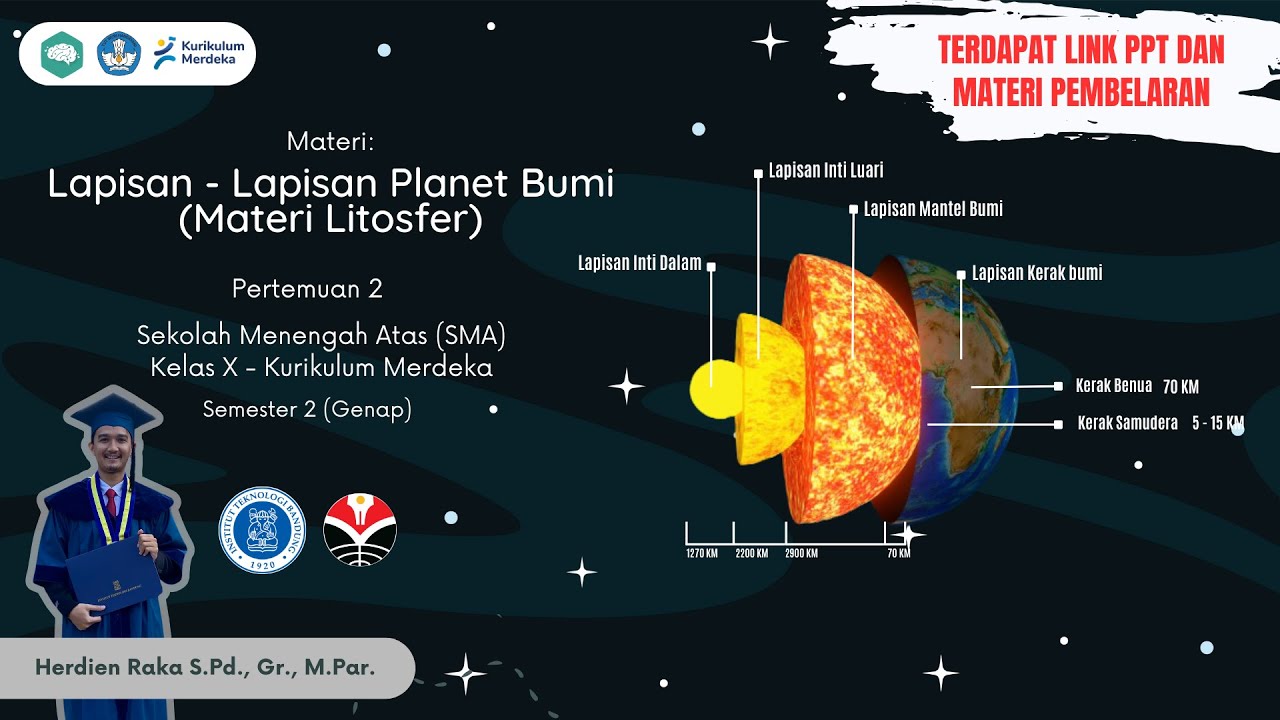
- 😀 The Earth's crust is the outermost, coldest, and hardest layer, with a thickness ranging from 5 to 70 kilometers. It is the thinnest part of the Earth.
- 😀 The crust consists of two types: continental crust (thicker and made of granite and basalt) and oceanic crust (thinner and made of volcanic rocks).
- 😀 Continental crust is less dense, has an average thickness of 35-40 kilometers, and is older (up to 1.5 billion years), while oceanic crust is denser, thinner (6-10 kilometers), and younger (less than 200 million years).
- 😀 The mantle lies beneath the crust and is a solid rock layer, around 2,900 kilometers thick, composed mainly of silicate and magnesium-rich minerals.
- 😀 The mantle is divided into three sections: lithosphere, asthenosphere, and mesosphere, each with different physical and chemical characteristics.
- 😀 The lithosphere consists of the crust and the uppermost part of the mantle, and is rigid and solid, responsible for plate tectonics and life on Earth.
- 😀 The asthenosphere is a layer of partially molten, plastic material beneath the lithosphere, with temperatures ranging from 1,400°C to 3,000°C.
- 😀 The mesosphere is the lower part of the mantle, extending from 2,400 to 2,900 kilometers below the Earth's surface, and consists of solid rock.
- 😀 The core of the Earth consists of the inner core (solid) and the outer core (liquid), primarily composed of iron and nickel. The core is separated from the mantle by the Gutenberg Discontinuity.
Q & A
What are the three main chemical layers of the Earth?
-The three main chemical layers of the Earth are the crust, mantle, and core. The crust and mantle are composed mainly of silicate materials, while the core is primarily made of iron.
How are Earth's physical layers divided?
-Earth's physical layers are divided into five layers: the inner core, outer core, mesosphere, asthenosphere, and lithosphere. These layers vary in their physical properties such as being solid or liquid.
What is the main difference between continental and oceanic crust?
-The continental crust is thicker, ranging from 35-70 km, and is made of lighter granite rock, while the oceanic crust is thinner, around 6-10 km, and is composed mainly of denser basalt rock.
Why is the continental crust lighter than the oceanic crust?
-The continental crust is lighter because it contains more silicate minerals, including aluminum and silicon, which make it less dense compared to the basaltic oceanic crust, which contains more iron and magnesium.
What is the role of the mantle in Earth's structure?
-The mantle lies beneath the crust and plays a crucial role in protecting the Earth's interior. It is composed of solid rock rich in magnesium and silicates, and its temperature can reach up to 3000°C.
What is the lithosphere made of?
-The lithosphere is made of the Earth's crust and the upper part of the mantle. It is composed of solid rock, including various minerals, and is responsible for tectonic activity.
What is the characteristic of the asthenosphere?
-The asthenosphere lies beneath the lithosphere and is made of semi-fluid, nearly molten rock. It behaves like a plastic, allowing the rigid lithosphere above to move.
What is the difference between the mesosphere and the asthenosphere?
-The mesosphere lies beneath the asthenosphere and is composed of solid rock under immense pressure. Unlike the asthenosphere, which is semi-fluid, the mesosphere is rigid and solid.
What are the characteristics of the Earth's inner and outer core?
-The inner core is solid and composed mostly of iron and nickel, while the outer core is liquid and also consists of iron and nickel. The temperature of the core can reach up to 6000°C.
How do the lithosphere and asthenosphere interact?
-The lithosphere floats on the semi-fluid asthenosphere, allowing the rigid tectonic plates of the lithosphere to move and shift over the more fluid asthenosphere below.
Outlines

Cette section est réservée aux utilisateurs payants. Améliorez votre compte pour accéder à cette section.
Améliorer maintenantMindmap

Cette section est réservée aux utilisateurs payants. Améliorez votre compte pour accéder à cette section.
Améliorer maintenantKeywords

Cette section est réservée aux utilisateurs payants. Améliorez votre compte pour accéder à cette section.
Améliorer maintenantHighlights

Cette section est réservée aux utilisateurs payants. Améliorez votre compte pour accéder à cette section.
Améliorer maintenantTranscripts

Cette section est réservée aux utilisateurs payants. Améliorez votre compte pour accéder à cette section.
Améliorer maintenantVoir Plus de Vidéos Connexes

Ratnaningsih Projek IPAS kelas X SMKN 1 Padaherang Bumi dan Antariksa 3 Atmosfer April 2023 #PKGTK

Earthquakes and Seismology in Earth’s Interior
VIDEO DE LAS CAPAS EXTERNAS E INTERNAS DE LA TIERRA. AUTORA VICTORIA GUAMÁN.
Layers of the Earth based on chemical composition and physical properties
LITOSFER : LAPISAN - LAPISAN PLANET BUMI

Compositional and mechanical layers of the earth | Cosmology & Astronomy | Khan Academy
5.0 / 5 (0 votes)

