Genetic Mutation
Summary
TLDRThis script explains how mutations create genetic variation and drive evolution. It describes two main mutation sources: DNA replication errors and environmental mutagens like UV radiation. The video outlines mutation types, including point mutations (silent, missense, nonsense, insertions, and deletions) and chromosomal mutations (duplications, inversions, translocations, and nondisjunction). It shows how some mutations are harmless due to genetic code redundancy, while others cause diseases like sickle cell anemia or Down syndrome. Overall, it highlights how mutations can be neutral, harmful, or occasionally beneficial, shaping biological diversity and health.
Takeaways
- 😀 Mutations are important in biology as they create new genes, enabling evolutionary changes.
- 😀 Mutations can occur during DNA replication, with the cell making about six errors every time it copies DNA.
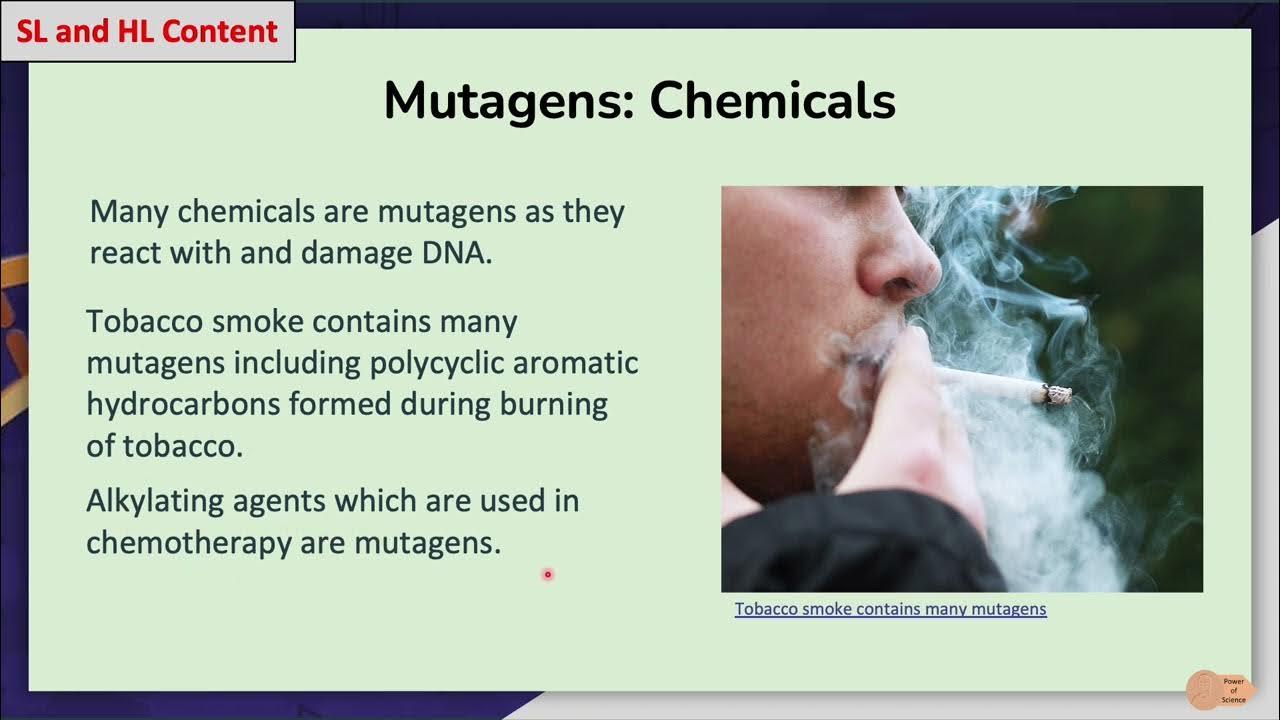
- 😀 Mutagens, such as UV radiation, can cause mutations by damaging DNA, leading to mistakes during repair.
- 😀 Point mutations involve changes to a single nucleotide and can be silent, missense, or nonsense mutations.
- 😀 Silent mutations don’t affect protein function despite changing the DNA sequence due to redundancy in the genetic code.
- 😀 Missense mutations change a codon, leading to the incorporation of a different amino acid, which can impact protein function (e.g., sickle cell anemia).
- 😀 Nonsense mutations introduce a premature stop codon, halting protein synthesis early and usually causing nonfunctional proteins.
- 😀 Insertions and deletions can cause frame shifts, dramatically altering protein structure by shifting the reading frame of the codons.
- 😀 Chromosomal mutations involve larger segments of DNA and can include deletions, duplications, inversions, and translocations, all of which can significantly affect the organism.
- 😀 Non-disjunction during meiosis can lead to gametes with extra or missing chromosomes, such as in Down syndrome, caused by an extra chromosome 21.
- 😀 While mutations can have negative effects, they can occasionally be beneficial, such as in gaining advantageous traits or even hypothetical superpowers.
Q & A
What is the role of mutations in biology?
-Mutations are important because they create new genes, which can lead to new opportunities for evolution. They are the driving force behind genetic variation in populations.
How do mutations occur in cells?
-Mutations occur in two major ways: during normal DNA replication in the cell cycle, or due to external factors like mutagens, which include chemicals and environmental factors such as ultraviolet radiation.
Why does the likelihood of mutations increase as people age?
-As people age, their cells undergo many rounds of DNA replication. Over time, this accumulation of DNA replication errors increases the chances of genetic damage, which can lead to diseases like cancer.
What are mutagens, and how do they affect DNA?
-Mutagens are chemicals or environmental factors that can cause DNA damage or errors during replication. For example, ultraviolet radiation can cause thymine bases to bind incorrectly, leading to mutations.
What is a silent mutation, and why is it considered 'silent'?
-A silent mutation occurs when a change in a DNA codon does not result in a different amino acid in the protein. This happens because of redundancy in the genetic code, meaning the same protein is produced despite the mutation.
What is a missense mutation, and how can it impact a protein?
-A missense mutation occurs when a change in a codon results in a different amino acid being inserted into a protein. This can affect the protein's structure and function, potentially leading to diseases like sickle cell anemia.
What happens during a nonsense mutation?
-A nonsense mutation creates a premature stop codon, causing the protein to be truncated and stopping the translation process early. This can lead to a nonfunctional or dysfunctional protein.
What is a frame shift mutation, and what causes it?
-A frame shift mutation occurs when nucleotides are inserted or deleted, altering the reading frame of the codons. This causes a major disruption in protein synthesis, resulting in a completely altered protein.
What are chromosomal mutations, and how do they differ from point mutations?
-Chromosomal mutations involve large-scale changes to the structure of chromosomes, such as deletions, duplications, inversions, or translocations, whereas point mutations are smaller changes that occur in a single nucleotide or a few nucleotides.
What is non-disjunction, and what consequences can it have?
-Non-disjunction occurs during meiosis when chromosomes do not separate properly, leading to gametes with an abnormal number of chromosomes. This can result in genetic disorders, such as Down syndrome, which occurs when there is an extra copy of chromosome 21.
Outlines

Cette section est réservée aux utilisateurs payants. Améliorez votre compte pour accéder à cette section.
Améliorer maintenantMindmap

Cette section est réservée aux utilisateurs payants. Améliorez votre compte pour accéder à cette section.
Améliorer maintenantKeywords

Cette section est réservée aux utilisateurs payants. Améliorez votre compte pour accéder à cette section.
Améliorer maintenantHighlights

Cette section est réservée aux utilisateurs payants. Améliorez votre compte pour accéder à cette section.
Améliorer maintenantTranscripts

Cette section est réservée aux utilisateurs payants. Améliorez votre compte pour accéder à cette section.
Améliorer maintenant


5.0 / 5 (0 votes)

