Nephrology - Kidney Physiology Overview
Summary
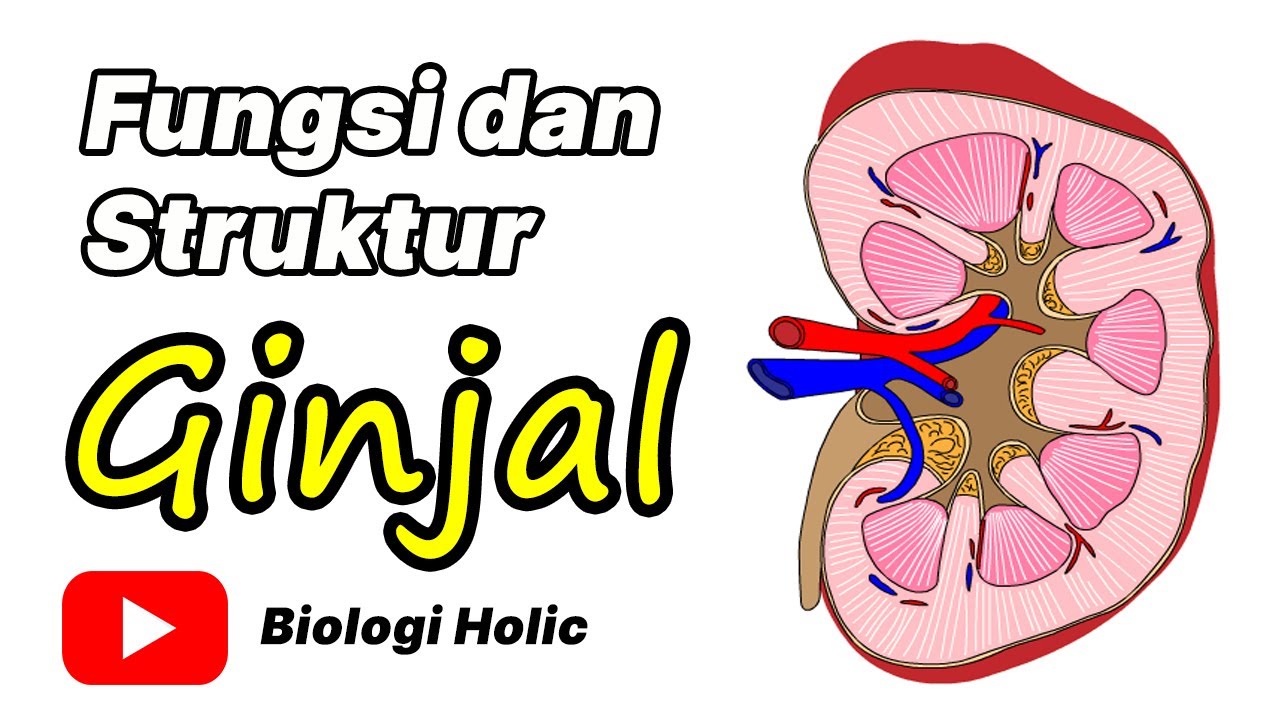
TLDRThis video explains the anatomy and physiology of the kidneys, focusing on the role of nephrons in filtering blood and producing urine. It details the structure of a nephron, including the Bowman's capsule, proximal and distal tubules, and the loop of Henle. The video covers essential kidney functions such as regulating blood pressure, fluid balance, and ion concentration, as well as processes like glomerular filtration, tubular reabsorption, and secretion. The importance of hormones like renin and macula densa cells in regulating these processes is also discussed. Overall, it's an insightful look at kidney function and its critical role in maintaining homeostasis.
Takeaways
- 😀 Kidneys are vital organs with two primary roles: regulating body functions (fluid volume, blood pressure, pH, ion balance) and excreting waste as urine.
- 😀 Each kidney contains nephrons, the functional units that perform the tasks of filtration, reabsorption, and secretion.
- 😀 The Bowman's capsule is the starting point of the nephron, where blood is filtered through a network of capillaries known as the glomerulus.
- 😀 The Loop of Henle has descending and ascending limbs, with the thick ascending limb playing a crucial role in regulating sodium and chloride levels.
- 😀 Specialized cells called podocytes in the glomerulus filter substances from the blood into the nephron, preventing larger molecules from entering.
- 😀 The macula densa cells in the ascending limb of the Loop of Henle act as chemoreceptors, monitoring sodium and chloride concentrations for feedback regulation.
- 😀 The juxtaglomerular complex, including granular, mesangial, and macula densa cells, helps regulate blood pressure and filtration rate in the kidneys.
- 😀 The kidneys have a rich blood supply, and substances like glucose, amino acids, and water are reabsorbed back into the bloodstream after filtration.
- 😀 The three major renal processes are glomerular filtration, tubular reabsorption, and tubular secretion, which work together to produce urine.
- 😀 After filtration and reabsorption, the body secretes excess substances into the nephron, with the remaining waste excreted as urine.
Q & A
What are the primary functions of the kidneys?
-The kidneys regulate extracellular fluid volume, blood pressure, and osmolarity. They maintain ion balance, help regulate pH, excrete waste, produce hormones such as renin, and perform gluconeogenesis during starvation.
What is the functional unit of the kidney?
-The functional unit of the kidney is the nephron. Each nephron consists of various parts, including the Bowman's capsule, proximal convoluted tubules, loop of Henle, distal convoluted tubules, and collecting ducts.
How is blood filtered in the kidneys?
-Blood enters the Bowman's capsule through the afferent arteriole, forming a structure called the glomerulus. The filtration of blood occurs as substances pass through the glomerulus into the nephron, where large molecules like proteins and blood cells are generally excluded.
What is the function of the loop of Henle?
-The loop of Henle is crucial for maintaining the body's osmolarity. It consists of a descending limb, which allows water reabsorption, and an ascending limb, which pumps out ions like sodium and chloride to create a concentration gradient essential for urine concentration.
What is the role of macula densa cells?
-Macula densa cells are specialized cells in the nephron that act as chemoreceptors, monitoring sodium and chloride levels in the distal convoluted tubules. They help regulate kidney function by adjusting the reabsorption and secretion of ions based on these levels.
What is the renin-angiotensin-aldosterone system?
-The renin-angiotensin-aldosterone system (RAAS) is a hormone system that helps regulate blood pressure. Renin, secreted by granular cells in the juxtaglomerular complex, activates angiotensinogen, leading to the production of angiotensin II, which triggers aldosterone release to increase sodium and water retention, thus raising blood pressure.
What is the difference between glomerular filtration, tubular reabsorption, and tubular secretion?
-Glomerular filtration is the process where substances from the blood are filtered into the nephron. Tubular reabsorption involves the selective transfer of filtered substances (like glucose and water) back into the blood. Tubular secretion is when the body actively transports waste products and excess substances from the blood into the nephron for excretion.
Why are granular cells important in kidney function?
-Granular cells, found in the juxtaglomerular complex, are important because they act as mechanoreceptors that detect changes in blood pressure. They also secrete renin, which helps regulate blood pressure through the RAAS system.
What types of cells are found in the Bowman's capsule, and how do they contribute to kidney function?
-The Bowman's capsule contains squamous cells that form the structure of the capsule and help in the filtration process. These cells, along with the podocytes in the glomerulus, allow the filtration of substances while preventing larger molecules like proteins and blood cells from entering the nephron.
How does the kidney help maintain fluid balance in the body?
-The kidneys maintain fluid balance by regulating the volume of extracellular fluid and blood pressure. Through processes like filtration, reabsorption, and secretion, they ensure that the body retains necessary substances like water and electrolytes, while excreting waste in the form of urine.
Outlines

Cette section est réservée aux utilisateurs payants. Améliorez votre compte pour accéder à cette section.
Améliorer maintenantMindmap

Cette section est réservée aux utilisateurs payants. Améliorez votre compte pour accéder à cette section.
Améliorer maintenantKeywords

Cette section est réservée aux utilisateurs payants. Améliorez votre compte pour accéder à cette section.
Améliorer maintenantHighlights

Cette section est réservée aux utilisateurs payants. Améliorez votre compte pour accéder à cette section.
Améliorer maintenantTranscripts

Cette section est réservée aux utilisateurs payants. Améliorez votre compte pour accéder à cette section.
Améliorer maintenant



5.0 / 5 (0 votes)

