PENGANTAR PENELITIAN STUDI KASUS BAGI CALON PENELITI #SKRIPSI
Summary
TLDRThis lecture discusses the concept of case study research in qualitative studies, defining it as the in-depth exploration of unique events, activities, or phenomena. The presentation explains the types of case studies (intrinsic, instrumental, and collective) and the distinction between prospective and retrospective studies. The focus is on understanding and explaining unusual or complex cases, such as special education for disabled students during the pandemic or diverse leadership in multi-cultural schools. The methods for gathering data include interviews, observations, and documentation. The lecturer also covers key steps in conducting case studies, from topic selection to data analysis and conclusion formulation.
Takeaways
- 😀 A case study is a qualitative research method that explores unique, unusual, or specific events, activities, or situations.
- 😀 A 'case' refers to an event, state, or activity that is distinct from common occurrences, often making it a subject of research due to its uniqueness.
- 😀 Example of a case study: The implementation of Islamic Education for children with disabilities during the COVID-19 pandemic, which deviates from the typical face-to-face approach.
- 😀 Another example: A Majlis Taklim (Islamic study group) primarily attended by children and teenagers, which contrasts with the usual adult attendance in such events.
- 😀 The third example is a school with a highly diverse student body, where leadership management is tested in a multicultural setting.
- 😀 Case studies can be categorized into three types: intrinsic (focused on something unique and interesting), instrumental (explores a case to understand a broader issue), and collective (compares multiple cases with similar themes).
- 😀 The types of case studies vary based on the intent of the research, such as exploring unique events (intrinsic), uncovering new insights (instrumental), or comparing similar cases (collective).
- 😀 A prospective case study explores deviations from normality with the goal of finding ways to address or improve the situation.
- 😀 Retrospective case studies investigate positive developments and aim to understand why and how certain outcomes were achieved.
- 😀 The primary goal of a case study is to gain a deep understanding of a specific event or process, using descriptive methods to answer 'How' and 'Why' questions.
Q & A
What is a case study in qualitative research?
-A case study in qualitative research refers to an in-depth exploration of a specific event, occurrence, situation, or activity that is unique or different from the norm. It aims to understand the complexities of the case being studied.
What defines a 'case' in a case study?
-A 'case' in a case study refers to an event, situation, or activity that is unique, unusual, or differs from the common practices, making it distinct and worthy of in-depth investigation.
Can you provide examples of unique cases in the context of education?
-Examples of unique cases include: (1) teaching Islamic Religious Education to children with disabilities during the pandemic, where traditional face-to-face methods were replaced by online or door-to-door lessons, (2) a Majlis Ta'lim (Islamic study group) primarily attended by children and youth, instead of adults, and (3) leadership in a school with a diverse student and staff population from different cultural and religious backgrounds.
What are the three types of case studies according to Creswell?
-According to Creswell, the three types of case studies are: (1) Intrinsic Case Study, which investigates something uniquely interesting or unusual, (2) Instrumental Case Study, which aims to uncover new insights about a broader issue or topic, and (3) Collective Case Study, which involves comparing multiple cases with similar themes or topics.
What is the difference between intrinsic and instrumental case studies?
-An intrinsic case study focuses on a specific case due to its unique and fascinating nature, while an instrumental case study examines a case to gain deeper understanding or uncover new insights that may apply to a broader topic or issue.
What is the purpose of a collective case study?
-A collective case study compares multiple cases that share a common theme, topic, or issue. It helps identify patterns or differences across these cases, leading to more generalizable findings.
What are the two main classifications of case studies?
-Case studies can be classified into two types: (1) Prospective Studies, which focus on unusual or deviant cases with the aim of improving or correcting the situation, and (2) Retrospective Studies, which examine positive developments or successes to understand the factors that led to such outcomes.
How does a prospective study differ from a retrospective study?
-A prospective study focuses on cases that deviate from the norm with the intention of finding solutions or improvements, whereas a retrospective study examines successful or positive cases in the past to understand how those positive outcomes were achieved.
What is the general goal of a case study research?
-The general goal of case study research is to deeply understand a specific event, situation, program, or activity. It seeks to provide a detailed explanation and description, answering questions about how and why something happens.
What are the main methods used to collect data in case study research?
-The main methods for collecting data in case study research include in-depth interviews, direct observations, participant or non-participant observation, and documentation analysis (such as reviewing related reports, planning documents, or evaluations).
Outlines

Cette section est réservée aux utilisateurs payants. Améliorez votre compte pour accéder à cette section.
Améliorer maintenantMindmap

Cette section est réservée aux utilisateurs payants. Améliorez votre compte pour accéder à cette section.
Améliorer maintenantKeywords

Cette section est réservée aux utilisateurs payants. Améliorez votre compte pour accéder à cette section.
Améliorer maintenantHighlights

Cette section est réservée aux utilisateurs payants. Améliorez votre compte pour accéder à cette section.
Améliorer maintenantTranscripts

Cette section est réservée aux utilisateurs payants. Améliorez votre compte pour accéder à cette section.
Améliorer maintenantVoir Plus de Vidéos Connexes

Materi Studi Kasus dalam Bimbingan dan Konseling (BK) Part I
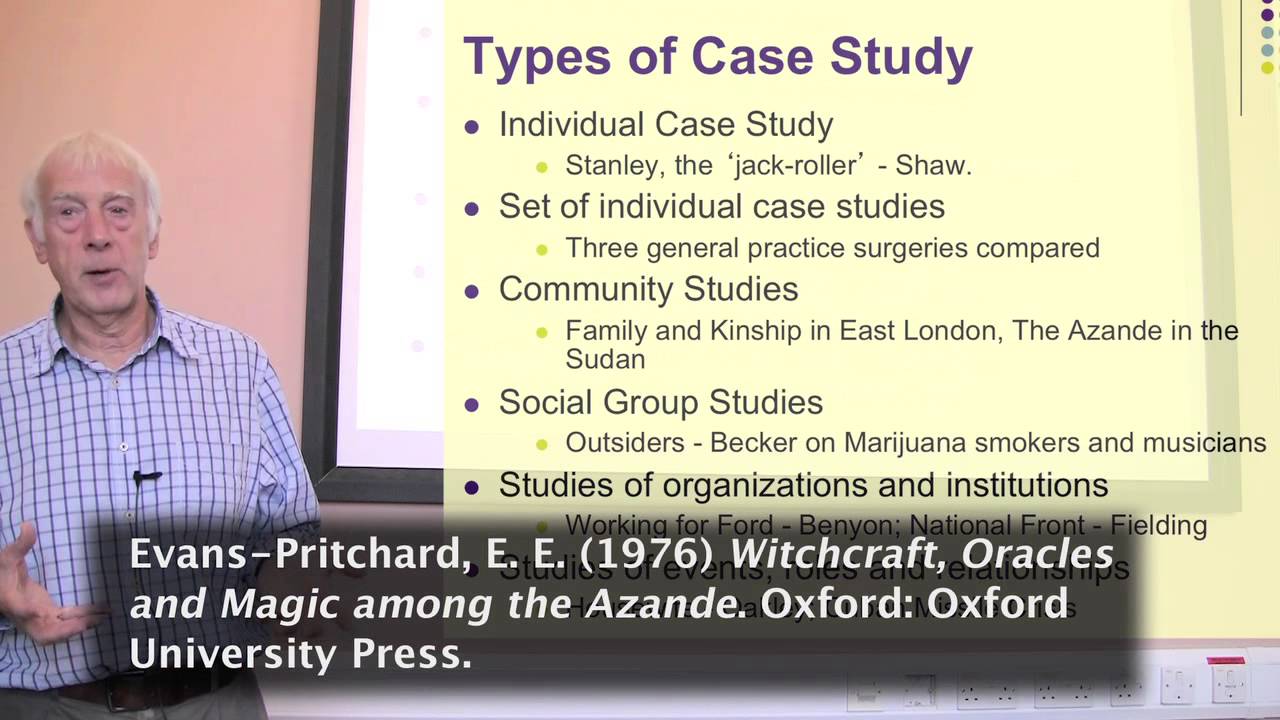
Types of Case Study. Part 1 of 3 on Case Studies

METODE PENELITIAN STUDI KASUS

PRACTICAL RESEARCH 1 - Characteristics, Strengths and Weaknesses of Qualitative Research

Fenomenologi, etnografi, grounded theory, dan studi kasus dalam kualitatif

"Etnografi" - Antropologi
5.0 / 5 (0 votes)

