Candle 3 Closure: TTrades Fractal Model
Summary
TLDRThis video explains the difference between candle two and candle three closures within a trading model, emphasizing their roles in predicting price continuation and reversals. It covers continuation and reversal closures, how candle two sweeps a previous candle’s high or low, and how candle three forms when a reversal does not occur. Using real TradingView examples on EUR/USD and NQ charts, the video demonstrates identifying valid swing points with points of interest and fair value gaps. It also highlights combining closures with equilibrium zones and protected swings to improve trade selection and anticipate high-probability moves.
Takeaways
- 😀 Continuation closure occurs when price breaks the previous candle’s high or low and closes beyond it, indicating trend continuation.
- 😀 Reversal closure occurs when price sweeps past the previous candle’s high or low but closes back above/below it, signaling a potential trend reversal.
- 😀 Candle two closure happens when price reverses in the second candle, sweeping the previous candle’s high/low and closing back inside it, allowing anticipation of continuation in candle three and four.
- 😀 Candle three closure occurs when candle two closure does not happen; candle three closes over the body of candle two without sweeping the high/low, setting up candle four continuation.
- 😀 Higher timeframe key levels, fair value gaps, and equilibrium points are essential context for identifying valid candle two or candle three closures.
- 😀 Valid swing points require both a point of interest and a confirmed candle closure; random swing points should be avoided.
- 😀 In bullish setups, the upper half of candle three’s range is used to anticipate continuation, while in bearish setups, the lower half is used.
- 😀 Protected swings help determine stop placement and risk management for trading based on candle closures.
- -
- 😀 Multi-timeframe analysis, combining higher timeframe context with lower timeframe execution, is critical for applying the candle two and three closure strategy effectively.
- 😀 Candle three closures provide a patient approach to trade setups when a reversal doesn’t immediately occur in candle two.
- 😀 Combining candle closures with equilibrium, order blocks, and state-of-delivery changes forms the foundation of the fractal trading model discussed.
Q & A
What is the main topic of the video?
-The main topic of the video is understanding 'candle three closure' in trading, including how it differs from 'candle two closure' and how to use it with other tools like equilibrium and points of interest for trading decisions.
What is the difference between a continuation closure and a reversal closure?
-A continuation closure occurs when price breaks below a previous candle's low (or above its high) and closes beyond it, indicating the trend will continue. A reversal closure happens when price temporarily breaks a previous candle's high or low but closes back inside it, signaling a potential trend reversal.
How does a candle two closure work?
-A candle two closure happens when price reverses in candle two by sweeping out the previous candle's high or low and then closing back within it. This allows traders to anticipate the movement of candle three and possibly candle four in the continuation of the trend.
How does a candle three closure differ from a candle two closure?
-A candle three closure occurs when there is no candle two closure; price does not sweep out the previous high or low but closes over the body of candle two. This allows traders to anticipate candle four continuation, either higher or lower, depending on the scenario.
Why is it important to pair candle closures with points of interest or equilibrium?
-Pairing candle closures with points of interest or equilibrium helps traders identify high-probability areas where price is likely to respect support or resistance, ensuring trades are based on context rather than random swing points.
What should a trader look for when using candle three closures on a higher time frame?
-Traders should mark the entire range of candle three and look for the upper or lower half of that range to guide the next candle's expected continuation. This helps align lower-time-frame entries with higher-time-frame context.
What is a fair value gap and how is it used in the examples?
-A fair value gap is an area on the chart where price moved quickly, leaving a gap in liquidity. In the examples, these gaps are used as points of interest to help validate candle closures and anticipate continuation or reversal moves.
How can traders filter swing points using candle closures?
-Traders filter swing points by ensuring there is both a valid candle two or candle three closure and a point of interest, such as a fair value gap. If either is missing, the swing point is considered less reliable and may be ignored.
Why might a candle three closure not always indicate an ideal trade setup?
-A candle three closure may not be ideal if it creates a protected swing too close to previous highs or lows, or if it lacks sufficient context from points of interest. This reduces the probability of a successful trade.
How does the video suggest using lower-time-frame charts in conjunction with candle closures?
-The video suggests using lower-time-frame charts to fine-tune entries after a candle three closure is identified on a higher time frame. Traders can look for areas like the upper half of the previous candle's range to place entries with proper stop-losses based on protected swings.
What is the main takeaway from combining candle two and candle three closures with other tools?
-The main takeaway is that using candle two and candle three closures alongside equilibrium, fair value gaps, and points of interest creates a structured model for trading, allowing traders to identify high-probability setups rather than guessing from random swing points.
Outlines

Esta sección está disponible solo para usuarios con suscripción. Por favor, mejora tu plan para acceder a esta parte.
Mejorar ahoraMindmap

Esta sección está disponible solo para usuarios con suscripción. Por favor, mejora tu plan para acceder a esta parte.
Mejorar ahoraKeywords

Esta sección está disponible solo para usuarios con suscripción. Por favor, mejora tu plan para acceder a esta parte.
Mejorar ahoraHighlights

Esta sección está disponible solo para usuarios con suscripción. Por favor, mejora tu plan para acceder a esta parte.
Mejorar ahoraTranscripts

Esta sección está disponible solo para usuarios con suscripción. Por favor, mejora tu plan para acceder a esta parte.
Mejorar ahoraVer Más Videos Relacionados

Next Day Model - Fractal Way To Get Bias For Trading

AULA 1: OS SEGREDOS QUE TODO MUNDO DEVERIA SABER SOBRE A VELA DE COMANDO E A VELA DE TAXA ÚNICA.

Wick Size Matters: The Key to Understanding Reversal and Expansion Candles
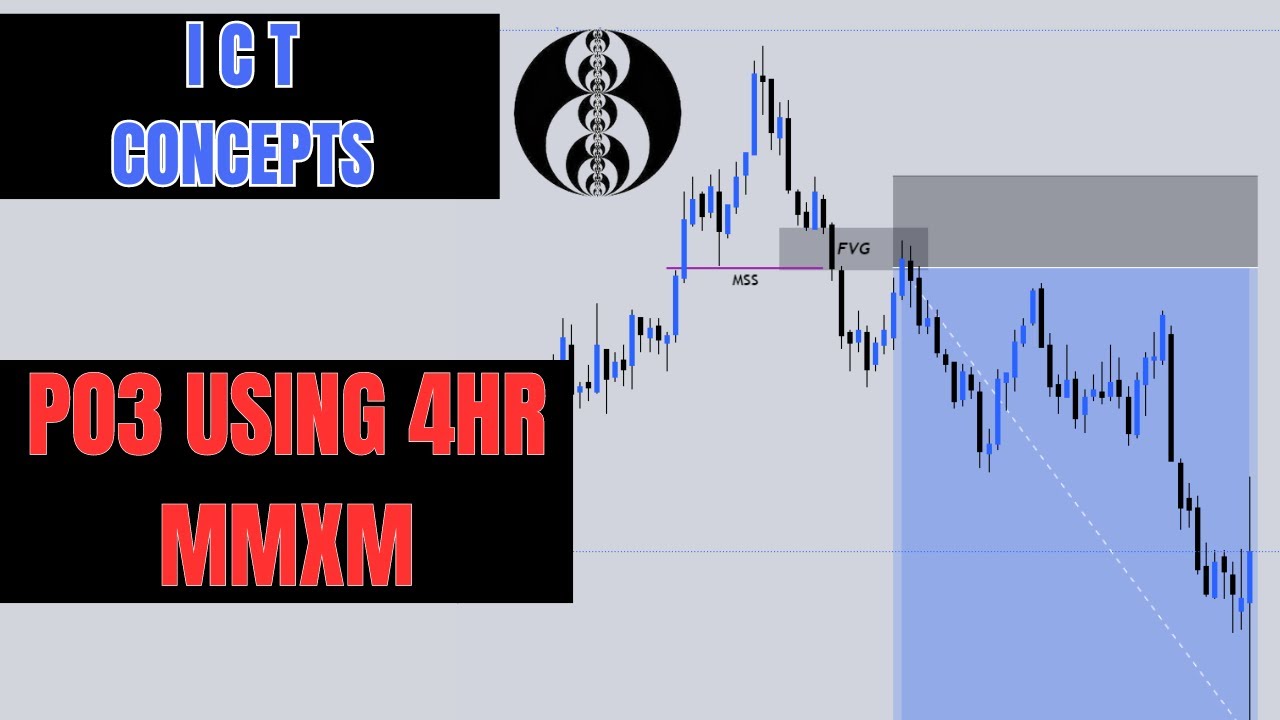
4HR PO3 | MMXM | Standard Deviations | ICT Concepts

This 1 Candle Reveals Price's Next Move

Open High Low Close - Understanding Candlesticks
5.0 / 5 (0 votes)

